
7 Common Causes of Blocked Drains (And How to Avoid Them)
Blocked drains are one of the most frequent plumbing problems Brisbane homeowners deal with, and most cases are caused by the same handful of preventable issues. Knowing the common causes of blocked drains helps you take action before a slow drain becomes a complete blockage requiring emergency callout.
This guide covers the seven most common culprits behind blocked drains in Brisbane homes, practical prevention tips for each, and clear signs it is time to call a licensed plumber.
Key Takeaways
✅ The seven most common causes of blocked drains are hair and soap scum, grease and fat, food scraps and foreign objects, tree root intrusion, deteriorated pipes, mineral scaling, and incorrect pipe gradient, all of which are preventable or manageable with routine attention.
✅ Grease and fat poured down kitchen drains solidify inside pipes and combine with debris to form stubborn blockages that require professional hydro-jetting to clear, making correct disposal the most effective prevention measure.
✅ Recurring blockages in the same location indicate an underlying structural problem such as tree root intrusion, pipe collapse, or incorrect gradient that clearing alone cannot resolve, requiring CCTV inspection to diagnose accurately.
✅ Brisbane’s older housing stock and subtropical climate increase blocked drain risk, with ageing clay and cast iron pipes in established suburbs like Paddington, Red Hill, and Ashgrove being particularly vulnerable to root intrusion and structural deterioration.
Why Blocked Drains Happen More Often Than You Think
Drain blockages rarely occur suddenly. Most build up gradually over weeks or months, with early warning signs that are easy to miss or ignore until the problem becomes unavoidable.
Brisbane’s older housing stock across suburbs like Paddington, Ashgrove, and New Farm often features ageing clay and cast iron pipework that is more susceptible to blockages than modern PVC systems. Combined with the city’s subtropical climate, heavy wet season rainfall, and dense tree coverage, Brisbane properties face a higher-than-average risk of drainage problems year-round.
Understanding what causes blockages puts you in a much stronger position to prevent them.
The 7 Most Common Causes of Blocked Drains
1. Hair and Soap Scum Buildup
Hair is the leading cause of blocked shower and bathroom drains in residential properties. Loose strands collect on drain covers and pipe walls, binding together with soap residue to form dense mats that progressively restrict water flow.
Soap scum compounds the problem. Traditional bar soaps contain animal fats that solidify when they cool, coating pipe interiors and giving hair and debris something to adhere to.
Prevention is straightforward:
- Fit a hair catcher over shower and bath drains
- Clean drain covers weekly to remove accumulated hair
- Flush shower drains with hot water after each use to soften soap deposits
2. Grease and Fat Poured Down Kitchen Drains
Cooking grease is one of the most damaging things you can put down a kitchen drain. Fats and oils flow freely when hot but solidify as they cool inside pipes, coating internal surfaces and narrowing the pipe diameter over time.
The problem worsens when grease combines with food scraps, detergent residue, and other debris. The resulting mass, commonly called a fatberg, can be extremely difficult to clear without professional hydro-jetting equipment.
Never pour the following down kitchen drains:
- Cooking oil or animal fat
- Butter or margarine
- Meat drippings
- Dairy products
Collect cooled grease in a container and dispose of it in the general waste bin.
3. Food Scraps and Foreign Objects
Even with a sink strainer in place, food particles make their way into kitchen drain lines. Coffee grounds, rice, pasta, and fibrous vegetable scraps are particularly problematic because they do not break down easily in water and accumulate at pipe bends and low points.
Foreign objects flushed or dropped into toilets and drains are another common cause of blockages in Brisbane homes. Baby wipes, cotton pads, dental floss, and sanitary products are not designed to break down in water despite some products being labelled flushable.
Only toilet paper should be flushed. Everything else goes in the bin.
4. Tree Root Intrusion
Tree roots are a significant cause of blocked drains in Brisbane’s established suburbs. Roots naturally seek moisture and nutrients, and underground drain pipes provide both. Small roots enter through pipe joints, cracks, or deteriorated seals and expand over time, eventually creating a dense mass that captures passing debris and restricts flow.
Suburbs with mature street trees and large residential gardens, including Red Hill, The Gap, and Indooroopilly, are particularly affected. Clay and concrete pipes common in pre-1980s homes are more vulnerable than modern PVC because joints are less watertight.
Signs of tree root intrusion include gurgling noises from drains, slow drainage across multiple fixtures, and recurring blockages in the same location. A CCTV drain inspection confirms root presence and extent before any clearing work begins.
5. Deteriorated or Collapsed Pipes
Older pipes crack, corrode, and collapse over time, creating physical obstructions inside the drain line. Unlike blockages caused by debris or grease, structural failures cannot be resolved by clearing alone. The pipe itself needs repair or replacement.
Pipe deterioration is common in Brisbane homes built before the 1980s, where earthenware and cast iron pipes have been in service for decades. Ground movement, tree root pressure, and corrosion from chemical drain cleaners all accelerate structural failure.
| Pipe Material | Typical Lifespan | Common Failure Mode |
| Clay/earthenware | 50-60 years | Cracking, joint separation |
| Cast iron | 50-75 years | Corrosion, scaling |
| PVC | 50-100 years | Joint failure, impact damage |
| Copper | 50-70 years | Pinhole corrosion |
If blockages recur shortly after clearing, pipe deterioration is a likely cause. CCTV inspection identifies collapse points and allows targeted repair rather than full replacement.
6. Buildup of Mineral Deposits
Brisbane’s water supply contains dissolved minerals including calcium and magnesium. Over time, these minerals precipitate out of the water and deposit on pipe walls, a process called scaling. Scale buildup narrows the internal diameter of pipes and creates rough surfaces that trap hair, grease, and debris.
Scaling is more pronounced in hot water lines and in properties using older galvanised steel pipes. It develops slowly and is often only identified when a blockage investigation reveals heavily encrusted pipe walls.
Regular pipe flushing and, in severe cases, descaling treatment by a licensed plumber under AS/NZS 3500 standards can address scaling before it causes complete blockages.
7. Incorrectly Installed or Low-Gradient Pipes
Drainage pipes require sufficient fall, or gradient, to carry waste efficiently. Under AS/NZS 3500 plumbing standards, drain lines must be installed at a minimum gradient to ensure self-cleansing velocity. Pipes installed at too shallow a gradient allow solids to settle rather than being carried through to the sewer.
This is a common issue in older Brisbane homes that have had bathrooms or laundries added over the years without proper drainage assessment. DIY plumbing work is another cause, as gradient requirements are frequently underestimated.
Incorrectly graded pipes cannot be fixed by clearing alone. A licensed plumber needs to assess the line and correct the installation to prevent ongoing issues.
When to Call a Licensed Plumber
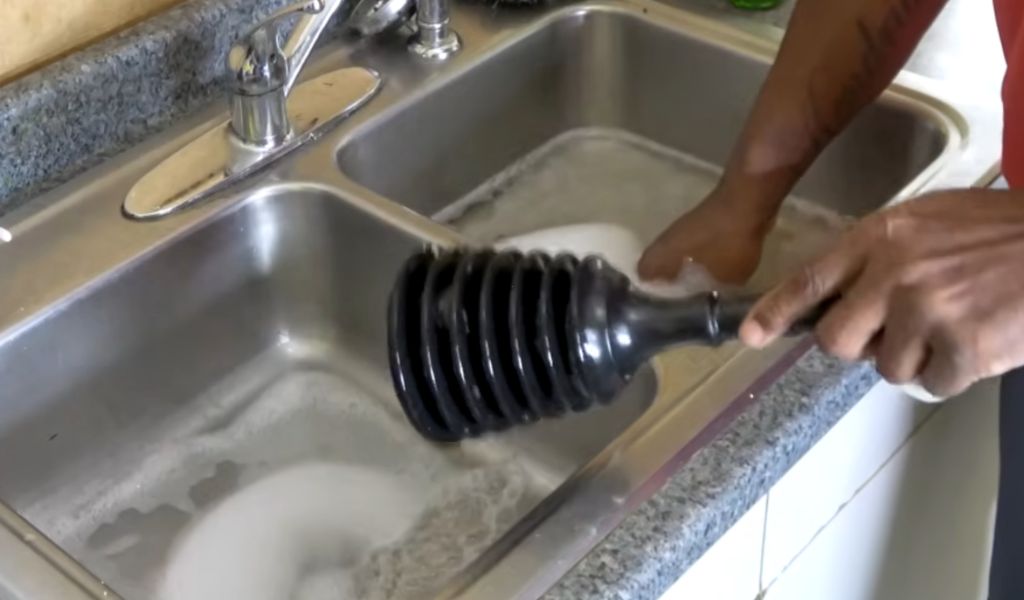
Some blocked drains respond to simple household measures like a plunger or drain cover clean. Others indicate a problem that needs professional attention immediately.
Call a licensed plumber if you experience any of the following:
- Multiple fixtures draining slowly at the same time
- Gurgling or bubbling sounds from drains or toilets
- Sewage odours inside the property
- A blockage that returns within days or weeks of clearing
- Water backing up into a shower or bath when another fixture is used
- Visible pipe damage or ground movement near drain lines
Recurring blockages are the clearest signal that clearing is not enough. A CCTV drain inspection identifies the root cause, whether that is tree roots, pipe collapse, poor gradient, or scaling, and allows permanent repair rather than repeated temporary fixes.
Preventing Blocked Drains in Brisbane Homes
| Drain Location | Prevention Measure | Frequency |
| Shower and bath | Clean hair catcher | Weekly |
| Kitchen sink | Empty strainer, avoid grease | After each use |
| Toilet | Flush paper only | Ongoing |
| All drains | Hot water flush | Monthly |
| Underground pipes | CCTV inspection | Every 2-3 years |
| Properties with large trees | Root inspection | Annually |
Simple maintenance habits eliminate the majority of blocked drain causes before they require professional intervention. The drains most likely to block are those that receive the heaviest daily use with the least routine attention.
Professional Blocked Drain Services in Brisbane
Blocked drains left unaddressed cause water damage, sewage odours, and costly emergency repairs. AC Plumbing’s licensed technicians diagnose and clear blocked drains throughout Brisbane using hydro-jetting and CCTV inspection equipment, identifying the cause rather than just clearing the symptom.
Visit AC Plumbing for blocked drain services across Brisbane, or get in touch with our team to book an inspection. We service Paddington, New Farm, Ashgrove, The Gap, Red Hill, Indooroopilly, and surrounding suburbs.
FAQs
What Is the Most Common Cause of Blocked Drains in Brisbane Homes?
Hair and soap scum in bathroom drains and cooking grease in kitchen drains are the most common causes of residential blockages. Both accumulate gradually and are highly preventable with basic drain covers and correct waste disposal habits.
Can I Use Chemical Drain Cleaners to Clear a Blockage?
Chemical drain cleaners dissolve soft organic blockages temporarily but do not address structural causes and can corrode older pipe materials over time. Licensed plumbers do not recommend regular chemical cleaner use as a substitute for proper drain maintenance or professional clearing.
How Do I Know If Tree Roots Are in My Drain?
Recurring blockages in the same line, gurgling sounds from multiple fixtures, and slow drainage across the property are common signs of tree root intrusion. A CCTV drain inspection confirms root presence and maps the extent of intrusion accurately.
How Much Does It Cost to Clear a Blocked Drain in Brisbane?
Blocked drain clearing in Brisbane typically costs between $150 and $400 depending on blockage severity, location, and access. Blockages requiring hydro-jetting or CCTV inspection cost more. Recurring blockages that require root cutting or pipe repair attract higher costs.
Are Flushable Wipes Safe for Drains?
No. Despite their labelling, flushable wipes do not break down in water the way toilet paper does and are a leading cause of sewer blockages. Only toilet paper should be flushed. All other wipes, including baby wipes and cleaning wipes, should be disposed of in the bin.


