
Tips for Selecting and Installing Low-Flow Toilets and Showerheads
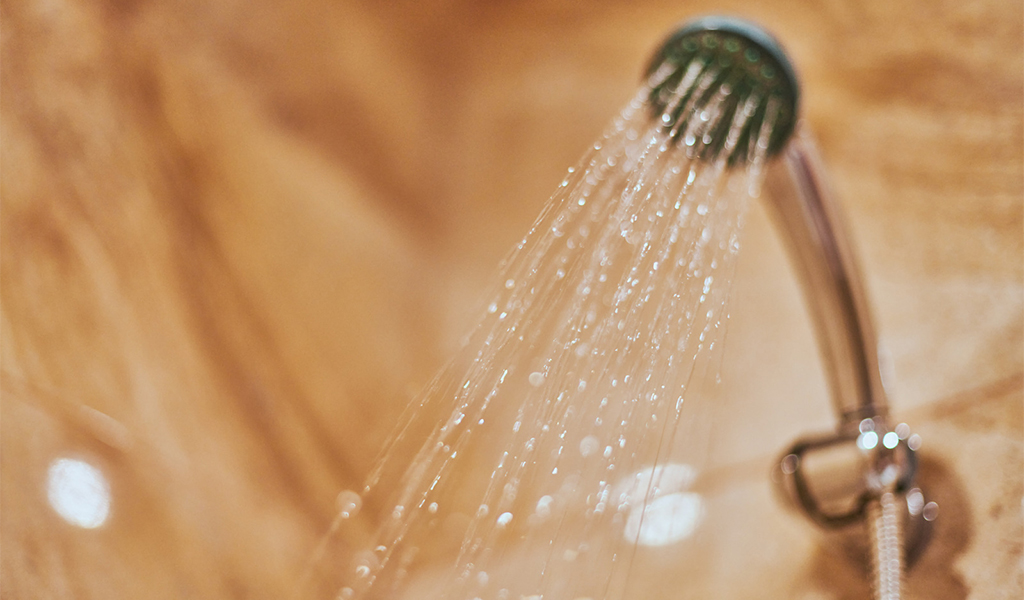
Installing low-flow fixtures like toilets and showerheads is an easy approach to help with the global problem of water conservation. This reduces your ecological footprint and helps you save money on your monthly water bill.
It might be difficult to choose the ideal low-flow fixture, however, due to the abundance of options now on the market. Here, we’ll show you how to choose and set up environmentally friendly home fixtures the easy way. We’ll go over everything you need to know, from how they function to their advantages and disadvantages, so you can make a well-informed decision that minimizes your impact on the planet.
What is a Water-Saving Fixture?
The term “water-saving fixture” refers to any plumbing item that helps reduce water usage without compromising on convenience or efficiency. Water-saving fixtures, such as low-flow commodes, showerheads, faucets, and urinals, can drastically cut water use and save money for both homes and businesses.
For example, low-flow toilets are widely adopted because of their efficiency and reduced water consumption compared to standard commodes. Some models use as low as 1.6 gallons per flush (GPF), which can save thousands of gallons of water annually and make a major impact on water conservation efforts, compared to the 3.5-7 GPF used by previous models.
Another common water-saving item is the low-flow showerhead, which allows for a still-comfortable shower while reducing water usage. In comparison to older types, which consumed anywhere from 5 to 8 gallons of water per minute (GPM), these fixtures utilize just about 2.5 GPM.
Installing water-efficient fixtures like faucets and urinals is also crucial for saving water. Aerators are used in low-flow faucets to limit the volume of water flowing out of the fixture while maintaining usable water pressure. Automatic flush sensors installed in urinals have the same effect, only flushing when absolutely necessary rather than constantly running like older types.
Households and businesses may help ensure a sustainable future by installing water-saving fixtures that nevertheless suit their aesthetic and functional requirements. There is a plethora of options to choose from, making it simple to select fixtures that are efficient at conserving water and reducing utility costs.
Benefits of Using Low-Flow Toilets and Showerheads
Low-flow toilets and showerheads are becoming increasingly popular in households due to their numerous benefits. The various advantages of low-flow plumbing devices like toilets and showerheads have led to their growing popularity.
- Reduces Water Consumption: Low-flow toilets, for example, can reduce water usage from 3.5 gallons or more every flush to as little as 1.6 gallons with the help of these fittings. While standard showerheads use between 2.5 and 5.5 gallons per minute (gpm), low-flow models use only 1-2 gpm. Low-flow fixtures reduce water usage, which in turn lowers water costs and helps save supplies.
- Saves Money: Since less energy is needed to heat water when it is used less frequently, utilizing low-flow fixtures can lead to lower hot water heating expenses in addition to the financial benefits of reducing water consumption. This has the potential to reduce costs and environmental impact significantly over time.
- Improves Water Pressure: It’s a common misconception that installing low-flow fixtures can reduce water pressure. Modern low-flow faucets and showerheads have just as much water pressure as standard fixtures, allowing for luxuriously long showers and effective toilet flushing.
In addition to the aforementioned advantages, a home with low-flow fixtures installed may also fetch a higher selling price. Installing low-flow fixtures is a simple approach to show a commitment to sustainability and give possible cost savings to homebuyers who are seeking ecologically friendly and energy-efficient homes.
Selecting Water-Efficient Toilets
There are a few things to keep in mind when shopping for a low-flow toilet. First and foremost, you should choose a WaterSense-approved toilet. This stamp of approval from the EPA guarantees that the toilet is both effective and economical with water. Find a toilet that uses 1.28 gallons per flush (gpf) or less to further conserve water. If a toilet is rated as using 1.28 gallons or less per flush, that suggests it is extremely water efficient.
Your preferred toilet style should also be taken into account. Both gravity-fed and pressure-assisted low-flow toilets are widely available. The most common type of toilet utilizes gravity to flush garbage. Waste from pressure-assisted toilets is flushed down the drain with the help of pressurized air. Pressure-assisted toilets are more expensive than gravity-fed toilets, but they flush more powerfully and typically need less maintenance.
Installing Low-Flow Toilets
The next step is to put in your new low-flow toilet. You can put in the toilet yourself if you know your way around a plumbing system. If you are unsure of your plumbing abilities, however, it is recommended that you consult a professional.
Turning off the water to the old toilet is the first step in replacing it. Once the old toilet has been removed, the flange and surrounding area should be cleaned. Put the new wax ring onto the flange, then set the toilet down on it. Bolt the toilet to the flange and tighten them uniformly. Finally, turn on the water to the toilet to check for leaks.
Selecting Low-Flow Showerheads
If water conservation is a concern where you live, installing a low-flow showerhead is a great method to reduce your water usage at home. In Australia, the Water Efficiency Labelling and Standards (WELS) certification is your assurance that a low-flow showerhead is indeed water efficient. Showerheads with a flow rate of 9 L/min or less are what you should be looking for. To conserve even more water, think about purchasing a showerhead with a pause button to use while you soap up or shave.
Installing Low-Flow Showerheads
When using greywater in your garden, it is important to distribute it evenly to avoid overwatering or underwatering certain areas. You should also avoid direct contact with greywater and wash your hands thoroughly after handling it.
To avoid clogging your irrigation system, it is recommended to use drip irrigation or low-flow sprinklers. Avoid using greywater on edible plants that come into direct contacts with the soil, such as root vegetables or leafy greens.
Expert Plumbers in Brisbane
You may save money and help the environment by switching to low-flow plumbing fixtures like toilets and showerheads. These light bulbs are simple to put in and widely distributed, so they may be used by anyone hoping to lessen their impact on the environment. Making these adjustments to your lifestyle will allow you to have a beneficial effect on the earth without sacrificing the conveniences that are important to you. Changing to low-flow fixtures now will pave the way for a greener tomorrow. Go green from the comfort of your own home by installing low-flow plumbing fixtures.
While replacing showerheads with low-flow models is a simple task, the same cannot be said of toilets. To avoid any potential complications, it’s best to have a professional help you set up your new toilet. Hiring a professional plumbing service, such as AC Plumbing, to install a low-flow toilet will prevent future headaches and issues. Benefit from a low-flow toilet with no effort thanks to our extensive knowledge, competence, and commitment to providing reasonably priced and highly efficient services.


