
Why Is My Bath Drain Blocked? Common Causes and Fixes
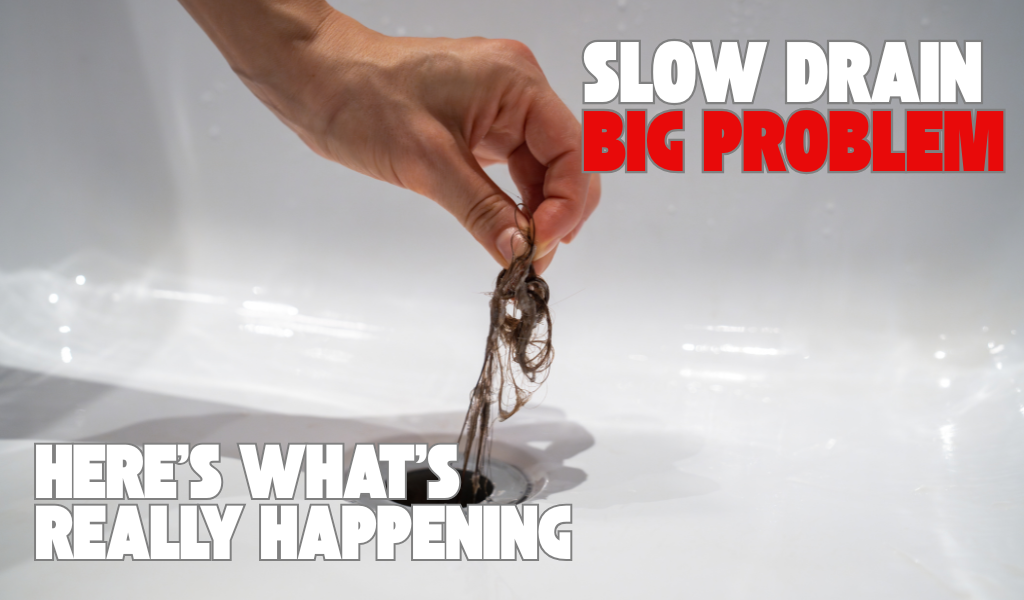
Blocked drains are one of the most common household frustrations, especially in Australian bathrooms. If you’ve ever wondered why is my bath drain blocked, you’re not alone. From standing water that refuses to drain to persistent slow flow, a clogged or blocked bathtub drain can lead to odour, inconvenience and potential plumbing system damage.
Whether it’s caused by excess hair, soap scum or a deeper blockage in the pipe, understanding the warning signs and causes of bath drain blockages is the first step to fixing it before it becomes a major issue.
Understanding Bath Drain Blockages
Before you can fix a blocked bath or shower drain, it’s important to understand how and why blockages happen. Bath drain systems are simple in design but vulnerable to common household materials like hair, soap scum and product residue.
Over time, this build-up can lead to slow drainage, unpleasant odours and even more serious plumbing issues if left untreated. Knowing how your drainage system works and recognising early signs of a blockage can help you act before the problem worsens.
What Is a Bath Drain Blockage?
A bath drain blockage happens when something obstructs the flow of water inside the pipe connected to your bathtub or shower. Common causes include hair, gunk, grease and soap scum that gradually accumulate and restrict water flow. This build-up can happen in the pipe itself or in key areas like the drain trap.
Typical signs of a blocked bath or shower drain include:
- Slow drainage or water pooling in the tub
- Standing water that won’t drain properly
- Gurgling noises coming from the pipe
- Unpleasant odours near the drain opening
These symptoms suggest that water is not flowing straight down the drain, and the pipe may already be partially or fully blocked.
How Drainage Systems Work in a Bathtub
Your bath or shower drain is part of a larger plumbing system designed to move wastewater efficiently out of your home. Understanding how water travels from your tub to the main sewer line can help you spot where blockages might be forming. Below is a simplified breakdown of the key components and their role in proper drainage:
| Component | Function | Common Issues |
|---|---|---|
| Drain opening | Where water enters the system from the bath or shower. Often covered by a drain plug or grate. | Hair, soap residue, or gunk accumulation at the entry point. |
| P-trap (tub trap) | A U-shaped pipe that traps water to block sewer gas from rising back into the bathroom. | Build-up of grease, hair, and soap scum that leads to slow draining or clogging. |
| Overflow pipe | Connected just beneath the bath’s overflow hole. Prevents overfilling by diverting excess water. | Can trap soap build-up or contribute to drainage problems if partially blocked. |
| Waste pipe | Carries wastewater away from the bathtub and towards the main drain line. | Partial or full blockages due to hard water scale, product build-up, or debris. |
| Ventilation pipe | Equalises air pressure in the drainage system to maintain water flow. | Blocked vents can cause gurgling sounds and poor drainage performance. |
| Main sewer line | The final destination for household wastewater. | A blockage here may affect multiple drains across your home, including the bath. |
When any of these parts become partially or fully blocked, it can slow down water flow or stop it entirely. This could result in a blocked bath, slow drainage, or water backing up into other fixtures like your shower or bathroom sink. In older Brisbane homes, outdated pipe materials and lack of regular maintenance can also increase the risk of these issues.
Most Common Causes of Bath Drain Blockages
A blocked bath or shower drain is rarely caused by a single factor and can stem from a mix of materials, as seen with other causes of blocked drains. More often, it’s the result of multiple materials building up over time and narrowing the pipe’s ability to carry water away. Understanding the most common sources of blockage can help you identify the problem early and choose the right drainage solution to fix it. Whether it’s everyday hair loss, leftover soap scum, or hard water scale, these culprits reflect what causes blocked drains and can turn a free-flowing drain into a slow, stubborn clog.
Hair Accumulation
Hair is one of the most common causes of a blocked bath or shower drain. It easily slips through the drain cover and gradually collects inside the P-trap or waste pipe. When combined with soap residue and grease, it forms a dense clump that’s difficult to dislodge without a hand-held drain snake or plumber’s tool. You might notice water draining slowly or backing up, especially after showers.
Soap Scum and Product Build-up
Soap doesn’t just wash away cleanly. In hard water areas like Brisbane, soap reacts with minerals to create a sticky residue known as soap scum. This gunk coats the inside of pipes and traps other debris, reducing the internal diameter of the pipe over time. Bath oils, conditioners, body wash and other grooming products can worsen the issue, making it harder for water to flow straight down the drain.
Foreign Objects and Debris
Small items like razor caps, bottle seals or even bits of a broken drain plug can fall into the drain and get stuck. Over time, these foreign objects collect other particles like lint, grease and hair. The blockage may not be visible at first, but it can lead to sudden clogging. In some cases, the object may be stuck too deep for a plunger or coat hanger to reach.
Hard Water Scale
In many parts of Queensland, hard water is a contributing factor to blocked bathroom drains. Minerals like calcium and magnesium stick to the inside of pipes and gradually reduce flow. Unlike soft debris, hard water scale doesn’t dissolve easily and may require professional cleaning or even pipe relining if ignored for too long.
How to Diagnose the Cause of a Blocked Bath Drain
Before you attempt to fix a blocked bath or shower drain, it’s helpful to identify what might be causing the issue. Not all blockages are the same. Some are minor and easily cleared with basic tools, while others may point to deeper problems in your plumbing system. Here’s how to assess whether you’re dealing with a hair clog, product build-up or something more serious requiring a professional plumber.
Visual and Manual Inspection
Start by removing the drain cover and looking inside the drain opening. Use a torch to check for visible debris like tangled hair, soap residue or gunk near the surface. A wire coat hanger or drain snake can be gently inserted to check for resistance. If the obstruction is within reach, you may be able to pull it out manually.
Look for:
- Matted hair clumps
- White residue from soap scum
- Grease-like build-up or trapped product packaging
This step is useful for identifying minor blockages near the surface that may not require a plumber.
Odour, Sound and Flow Indicators
Blocked drains often give off warning signs beyond what you can see. A strong, musty or sulphur-like odour can indicate a clogged or slow-moving drain. Gurgling noises while the water is draining often suggest trapped air caused by a partial blockage in the pipe. Standing water or water that drains very slowly is also a clear indicator that water is having trouble passing through.
If the problem is recurring, the blockage may be deeper in the plumbing system or part of a larger drainage issue in the bathroom.
When to Use a Drain Camera or Call a Plumber
If you’ve inspected the drain and removed any visible obstructions but the issue continues, it may be time to contact a licensed Brisbane plumber. Professionals use tools like CCTV drain inspection to inspect the inside of pipes and locate the source of the blockage. This is especially useful if you suspect a damaged pipe, tree root intrusion or a blockage affecting more than one fixture.
Calling in a professional is recommended if:
- You’ve tried using a plunger or drain snake with no results
- The water pressure in your bath or shower has dropped significantly
- The blockage keeps coming back despite repeated attempts to clear it
Fixes for a Blocked Bath Drain
Once you’ve diagnosed the issue, the next step is to choose the right method to clear the blockage, especially if you’re familiar with safe DIY methods on how to unblock a drain. Depending on what’s causing it , hair, soap scum, or a foreign object , there are a range of DIY and professional options to help unblock your bath or shower drain safely and effectively. While natural methods are best for light build-up, more serious clogs may require a drain snake, plunger or even a professional plumbing service.
Manual Hair and Debris Removal
If the blockage is visible and within reach, a manual clean-out is often the most effective first step. Use a pair of gloves and a torch to check the drain opening. You can then try:
- A wire coat hanger bent into a small hook to pull out hair and gunk
- A hand-held drain snake or flexible tool to reach deeper into the pipe
- Removing the bathtub stopper for better access, if applicable
Always be gentle when inserting tools into the drain to avoid damaging the pipe.
Natural Cleaning Solutions
Natural solutions are effective for mild clogs and slow drainage, particularly when caused by product residue or small soap scum build-ups. A commonly recommended method:
- Pour a cup of baking soda straight down the drain.
- Follow with a cup of white vinegar and cover the drain opening immediately.
- Wait 15–30 minutes to let the fizzing action break down residue.
- Finish by flushing the drain with a kettle or pot of boiling water.
This method is safer for pipes than most chemical cleaners and ideal for routine drain maintenance.
Chemical Drain Cleaners
Chemical drain cleaners are widely available but should be used with caution. While they can be effective at breaking down grease and organic matter, overuse may damage your pipes over time. Some formulas aren’t suitable for older plumbing systems or homes on septic tanks.
If you choose this option:
- Read the label carefully and follow all safety instructions
- Never mix different drain cleaners
- Avoid repeated use on the same blockage
Where possible, opt for enzyme-based or natural drain cleaners as a gentler alternative.
Advanced Solutions
If simple methods haven’t worked, you may need more robust techniques:
- Use a plunger (specifically one designed for bathroom drains) to create suction and dislodge clogs. Fill the tub with enough water to cover the plunger cup and vigorously plunge several times.
- A wet/dry vacuum can be set to suction mode to extract water and debris from the drain.
- Call a professional plumber who may use hydro-jetting or a commercial-grade auger to clear persistent blockages.
These approaches are ideal when you’ve exhausted DIY options or suspect a more complex plumbing issue.
Preventing Future Blockages
Once your bath drain has been cleared, it’s important to take steps to prevent the problem from returning. Regular maintenance and small upgrades can keep your bathroom drains running freely and help avoid costly plumbing issues down the track. Most blocked drains start with slow draining and build up gradually, so prevention is always easier and cheaper than a major repair.
Use of Drain Covers and Hair Catchers
A simple drain cover or hair catcher is one of the most effective tools for preventing clogs. These inexpensive mesh or silicone devices trap hair, lint and debris before they enter the pipe. They’re especially useful in households where long hair or pets increase the amount of shed material entering the drain.
Look for models designed to:
- Sit securely over or inside your bathtub or shower drain
- Be easily removable for quick cleaning
- Resist mould and soap scum build-up
Replacing your drain plug with a version that includes an integrated catcher can also help reduce the chance of future blockages.
Monthly Drain Maintenance Routines
Regular cleaning routines can break down early build-up before it causes a clog. A monthly schedule may include:
- Pouring a cup of baking soda followed by a cup of white vinegar, then flushing with boiling water to clean the inside of pipes
- Using an enzyme-based natural drain cleaner to digest organic matter without harming pipes
- Running hot water for 30 seconds after baths or showers to flush the drain
These habits help prevent the kind of gradual build-up that leads to slow drainage and minor blockages , and are part of smart drain cleaning practices.
Water Softening and Hard Water Treatment
In areas of Brisbane affected by hard water, mineral scale can accumulate in your plumbing over time. Installing a water softening system or descaling filter can reduce this risk. While not necessary for every home, these systems are especially helpful if you’ve dealt with repeated blockages caused by mineral build-up.
In rental properties or units, consider regularly checking for white crust inside taps or on the bathtub surface , both signs of hard water scale that may also be affecting your pipes.
When to Call a Professional Plumber
While many blocked bath or shower drains can be fixed with simple tools and home remedies, not all blockages are easily resolved. Knowing when to stop DIY attempts is essential , continuing to poke and plunge at a deep blockage could damage your pipes, worsen the clog, or push debris further into the plumbing system.
Here’s when it’s time to call in a professional plumber:
Signs It’s Time to Stop DIY Attempts
- Repeated blockages even after you’ve tried to clear the drain
- Standing water that won’t drain despite using baking soda, vinegar or a plunger
- Unusual signs like bubbling in the toilet or odours in multiple fixtures, which could point to a more serious issue in your household’s plumbing
- Water backing up into the bathroom sink or shower when another fixture is used
- You’ve already used a drain snake or chemical drain cleaner with no success
Trying to force a fix beyond this point may lead to cracked pipes or water damage , both of which can be far more expensive to repair.
What a Plumber Will Do Differently
Licensed Brisbane plumbers have specialised tools and experience that allow them to resolve issues quickly and safely. Depending on the situation, a plumber may:
- Use drain cameras to identify exactly where and what the blockage is
- Apply hydro-jetting or powered augers to break through heavy build-up or tree roots
- Safely dismantle parts of your plumbing system without causing structural damage
- Offer ongoing maintenance plans to keep your bathroom drains clear long-term
Hiring a plumbing company not only resolves the current blockage but also helps prevent future ones through professional diagnosis and tailored advice.
Conclusion
A blocked bath or shower drain can start as a small inconvenience and quickly escalate into a costly plumbing issue if left unchecked, and questions about coverage for blocked drains under home insurance often arise once damage occurs.
Whether it’s caused by hair, soap scum, or a deeper build-up in your pipe system, understanding how to diagnose and fix the problem can save you time, money and stress. Preventative habits like using a drain cover, avoiding harsh chemicals and performing monthly maintenance can help keep your bathroom drains flowing freely.
But when home remedies are no longer effective or you are unsure where the blockage is, it is time to get professional help.
Need help unblocking your bath or shower drain? AC Plumbing is your trusted local plumber in Brisbane.
We offer expert diagnosis, fast response times and fully licensed solutions to get your water flowing again. Whether you are dealing with slow drainage, a stubborn clogged drain or a potential system-wide issue, we are here to help with professional and affordable service.
Need an emergency plumber? Call AC Plumbing at 1300 161 615 now.
FAQs
Can I use boiling water to unblock a bathroom drain?
Yes, pouring boiling water can help dissolve soap residue and loosen grease in minor blockages, especially when used in combination with baking soda and vinegar. However, it should not be used on older plastic pipes, as extreme heat may damage your pipes. Always pour water slowly and in stages.
Are chemical drain cleaners safe for my bathtub?
Chemical drain cleaners can be effective on light organic blockages, but they come with risks. Overuse can corrode pipes, and some products aren’t safe for septic systems or older homes. Consider using a natural drain cleaner or enzyme-based alternative for regular maintenance.
How do I know if my drain blockage is deeper in the plumbing system?
If your bathtub draining slowly is accompanied by odours or gurgling in other fixtures (like the bathroom sink or toilet), the blockage may be further down in the main drain line. In these cases, home methods may not reach it, and a professional plumber with inspection tools will be required.
Is it safe to use a wire coat hanger to unblock a shower drain?
A wire coat hanger can be bent into a hook to pull out hair and visible debris from the surface of the shower drain or bathtub drain. While effective, it must be used gently to avoid scratching the pipe or pushing the blockage deeper. For stubborn clogs, a drain snake is safer and more effective.
How often should I clean my bath drain to prevent blockages?
A monthly routine using baking soda and white vinegar, followed by boiling water, can help prevent soap scum, gunk and hair build-up. Installing a drain cover and running hot water after every use also helps maintain clear bathroom drains.
What causes water to back up in my tub or shower drain?
Water backing up in your tub or shower drain is usually caused by a drain blockage that prevents water from flowing freely through the pipe. This can be due to excess hair, soap scum, a clogged drain trap, or even a blocked vent pipe that disrupts air pressure in the system. In severe cases, a blocked downpipe or obstruction in the main plumbing line may cause multiple fixtures to back up at once. If water backs up regularly or without obvious cause, it’s best to contact a local plumber for a proper inspection.


