
Can Blocked Drains Cause Subsidence? Understanding the Hidden Risks to Your Brisbane Property
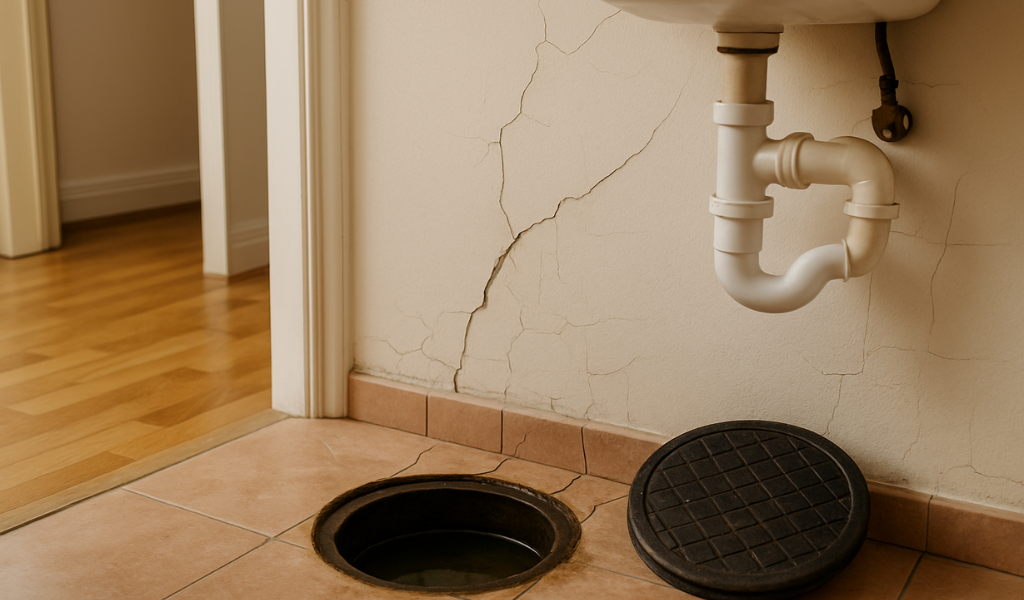
Can blocked drains cause subsidence? The answer is yes, and this hidden threat poses significant risks to Brisbane properties. Blocked drains prevent proper water drainage, causing water to pool around the foundations of your home and seep into the ground beneath a building. This excess moisture creates drainage problems that can wash away or saturate the soil, making it unstable and leading to subsidence due to ground movement. Understanding how drain blockages lead to subsidence helps Brisbane homeowners protect their property value and structural integrity through proper drainage system maintenance.
Key Takeaways
✅ Blocked drains can cause subsidence by preventing proper water drainage, leading to soil saturation and instability around building foundations
✅ Warning signs include water pooling around foundations, gurgling sounds from drains, unpleasant odours, and early structural indicators like cracks in walls
✅ Professional CCTV drain surveys and regular drainage system maintenance prevent blockages from developing into serious subsidence problems
✅ Quick action when drainage issues are detected protects property value and prevents costly structural damage from subsidence
Understanding Subsidence: What Causes Ground Movement Around Your Property
Subsidence occurs when the ground beneath a building sinks or settles, creating structural damage that threatens the foundations of your home and overall property stability.
Subsidence represents the downward movement of the ground supporting a building’s foundation, typically caused by changes in soil conditions that affect structural integrity. The major cause of subsidence often involves moisture imbalances that alter soil stability, particularly in areas with reactive clay soils common throughout Australia.
Several factors contribute to subsidence problems, but drainage issues rank among the most significant threats to property foundations. When drains are blocked, water cannot flow away properly, creating conditions that weaken soil support and compromise the ground beneath a building.
Brisbane’s subtropical climate and seasonal wet weather patterns exacerbate drainage problems, making proper stormwater management essential for properties throughout South East Queensland.
| Subsidence Cause | Impact on Soil | Risk Level | Prevention Method |
|---|---|---|---|
| Blocked Drainage | Water saturation, erosion | High | Regular drain cleaning |
| Tree Roots | Soil shrinkage from water extraction | Medium | Root management with Holman Industries root barriers |
| Dry Weather | Clay soil shrinkage | Medium | Consistent watering |
| Leaking Pipes | Localised soil saturation | High | Iplex pipe maintenance |
The type of soil beneath your Brisbane property significantly influences subsidence risk, with clay soils being particularly susceptible to volume changes when moisture levels fluctuate due to blocked drains or other drainage problems.
How Blocked Drains Cause Subsidence: The Hidden Connection
Drainage systems play a crucial role in maintaining soil stability around property foundations, making drain blockages a serious threat to structural integrity.
Water Accumulation and Soil Saturation
When drains become blocked, water pooling around foundations creates conditions that directly lead to subsidence through soil destabilisation.
Blocked drains prevent surface water and wastewater from draining properly away from buildings, causing water to accumulate in the surrounding area. This stagnant water saturates the soil beneath foundations, changing its composition and load-bearing capacity. Over time, saturated soil becomes unstable and unable to provide adequate support for building foundations.
The drainage system designed to protect your property becomes ineffective when blockages occur, allowing water to remain in contact with foundation materials for extended periods. This prolonged exposure weakens soil structure and creates the conditions necessary for ground movement and subsidence.
Soil Erosion and Foundation Undermining
Excess water from blocked drains can wash away soil particles, literally undermining the foundation support that keeps buildings stable.
Water trapped around foundations due to drainage problems gradually erodes soil particles, creating voids and weak spots in the ground beneath a building. This erosion process removes the solid foundation support that buildings require, leading to uneven settling and structural movement.
High-pressure water buildup from blocked drainage systems can accelerate this erosion process, particularly during heavy rainfall when drainage capacity becomes critical. The combination of water pressure and soil saturation creates ideal conditions for rapid foundation undermining.
Clay Soil Complications
Brisbane properties built on clay soils face increased subsidence risk when drainage issues allow moisture levels to fluctuate dramatically.
Clay soils expand when wet and contract when dry, making them particularly vulnerable to the moisture imbalances caused by blocked drains. Brisbane’s distinctive black clay and expansive clay soils, common in suburbs like Paddington, New Farm, and Fortitude Valley, react significantly to water content changes. When drainage systems fail to remove excess water, clay soils become oversaturated and lose their stability, creating subsidence conditions around building foundations.
During dry weather periods following drainage blockages, oversaturated clay soils can shrink dramatically as they dry out, creating gaps and movement that directly affects foundation stability and structural integrity.
Warning Signs of Blocked Drains and Subsidence Risk
Recognising the early signs of a blocked drain helps homeowners take quick action before drainage problems escalate into serious subsidence issues.
Immediate Drainage Warning Signs
Several telltale signs indicate when drains require immediate attention to prevent potential subsidence damage.
Visible water problems:
- Water pooling around the foundations after rainfall
- Slow water draining from sinks, showers, or floor drains
- Sewage overflow during heavy rain periods
- Surface water remaining in gutters or downpipes
Audio and odour indicators:
- Gurgling sounds coming from drains when water flows
- Unpleasant odour coming from drain openings
- Odour from the surrounding area near external drains
- Unusual sounds from the plumbing system during use
Environmental changes:
- Mould growth near drainage points
- Wet patches in gardens or paved areas
- Unusually lush vegetation growth over drain lines
- Stagnant water that doesn’t dissipate naturally
Early Subsidence Warning Signs
Property owners should monitor for subsidence indicators that often accompany serious drainage problems.
| Warning Sign | Location | Urgency Level | Action Required |
|---|---|---|---|
| Cracks in walls | Internal/external walls | High | Immediate assessment |
| Door/window sticking | Throughout property | Medium | Monitor and investigate |
| Uneven floors | Ground floor areas | High | Professional inspection |
| Garden level changes | Around foundations | Medium | Drainage system check |
Structural movement indicators:
- Cracks appearing in walls, particularly near windows and doors
- Doors and windows becoming difficult to open or close
- Gaps appearing between walls and ceilings
- Uneven floor levels or sloping surfaces
- External cracks in brickwork or rendering
These subsidence warning signs often develop gradually, making regular property inspections essential for early detection and prevention of major structural damage.
Professional Solutions: Preventing Drainage-Related Subsidence
Addressing blocked drains requires professional drainage services to protect your property from subsidence and structural damage.
CCTV Drain Surveys and Professional Assessment
Modern diagnostic techniques help drainage specialists identify blockage causes and assess subsidence risk before problems escalate.
A CCTV drain survey provides comprehensive inspection of your drainage system, allowing drainage engineers to locate blockages, identify structural damage, and assess the overall condition of pipes and connections. Modern equipment from manufacturers like Ridgid and General Pipe Cleaners enables precise diagnosis without excavation, helping determine whether drain blockages pose immediate subsidence risk.
Professional plumbers use CCTV equipment to examine the entire sewer network connecting your property, identifying problems such as:
- Tree roots infiltrating PVC or earthenware drain pipes
- Structural damage from ground movement affecting Holman or Iplex pipe systems
- Accumulation of leaves and debris causing blockages in stormwater systems
- Broken or blocked sections in older concrete or clay pipe installations requiring immediate repair
- Compliance issues with AS/NZS 3500 plumbing standards
Understanding what causes blocked drains helps property owners recognize early warning signs before subsidence risks develop.
Professional Drain Cleaning and Maintenance Services
Regular maintenance by drainage specialists prevents the water accumulation that leads to subsidence problems.
Professional drain unblocking services use high-pressure water systems to clear blockages and restore proper drainage function. These services remove organic matter, debris, and root intrusions that commonly cause drainage system failures.
Professional maintenance includes:
- High-pressure drain cleaning to remove stubborn blockages
- Root cutting and removal from drain lines
- Pipe repairs and replacements where necessary
- Installation of root barriers to prevent future intrusions
- Regular inspections and cleaning schedules
Drainage System Upgrades and Protection
Comprehensive drainage solutions protect properties from both immediate blockage problems and long-term subsidence risk.
Drainage companies can install upgraded systems that better handle surface water and wastewater, reducing the risk of water pooling around foundations. These improvements might include larger capacity pipes, additional drainage points, or improved slope gradients to ensure effective water flow.
System improvements may involve:
- Installing additional stormwater drains around foundations
- Upgrading pipe capacity to handle heavy rainfall
- Adding inspection points for easier maintenance access
- Implementing preventive measures against tree root intrusion
- Creating backup drainage paths for emergency situations
When to Call Professional Help: Protecting Your Property Value
Understanding when drainage problems require immediate professional intervention helps homeowners prevent costly subsidence damage.
Emergency Situations Requiring Immediate Action
Certain drainage problems create immediate subsidence risk and require urgent professional attention to protect your property.
Call a plumber immediately when:
- Sewage backing up into your property
- Water pooling around foundations refuses to drain
- Strong odours indicate serious drainage system failure
- Multiple drains throughout the property stop working
- Signs of subsidence appear alongside drainage problems
Emergency indicators requiring drainage services:
- Structural cracks appearing rapidly
- Foundation settling or movement
- Water damage affecting internal areas
- Repeated blockages despite basic cleaning attempts
- Drainage overflow during normal rainfall
For urgent situations, contact an emergency plumber immediately to prevent further structural damage.
Choosing Professional Drainage Services
Selecting qualified drainage specialists ensures effective solutions that protect your property from subsidence risk.
Professional drainage companies should offer comprehensive services including CCTV drain surveys, high-pressure cleaning, and structural assessments to address both immediate blockages and underlying subsidence risk. Look for providers with experience in Australian soil conditions and local drainage challenges.
Quality drainage services provide:
- Licensed and insured professional plumbers certified under Queensland regulations
- Modern diagnostic equipment including Ridgid CCTV systems and General Pipe Cleaners technology
- Comprehensive repair and replacement capabilities for all pipe materials including PVC, concrete, and earthenware
- Emergency response for urgent drainage problems affecting Brisbane properties
- Ongoing maintenance programs compliant with AS/NZS 3500 standards to prevent future issues
- Insurance liaison services for major subsidence damage affecting RACQ and Suncorp policy holders
Book a professional drainage assessment if you notice any signs of blockage or structural movement, as quick action can prevent minor drainage issues from developing into major subsidence problems that threaten your property’s structural integrity and value.
Conclusion
Blocked drains represent a significant but often overlooked cause of subsidence that can seriously damage Australian properties. When drainage systems fail to remove water effectively, the resulting soil saturation and erosion create conditions that undermine foundation stability and lead to structural movement. Understanding this connection helps homeowners recognise warning signs and take preventive action before minor drainage problems escalate into major subsidence issues.
Regular maintenance of your drainage system, including professional inspections and cleaning, provides essential protection against subsidence risk. Early detection of blockages through CCTV drain surveys and prompt professional intervention can prevent the water accumulation that threatens your property’s structural integrity and value.
Concerned about drainage problems at your Brisbane property? Contact AC Plumbing today for professional drainage assessment and subsidence prevention services. Our experienced team can identify potential blockage issues, provide comprehensive drain cleaning solutions, and help protect your property from the hidden risks of drainage-related subsidence.
Don’t wait for warning signs to develop,, secure your property’s foundation stability with professional drainage system maintenance and pipe relining. Contact us today to schedule a service.
FAQs
Can blocked drains really cause subsidence in Australian homes?
Yes, blocked drains can cause subsidence by preventing proper water drainage around foundations. Water accumulation saturates or erodes soil beneath buildings, making it unstable and leading to ground movement. This risk is particularly high in Brisbane’s expansive clay soil areas, especially during the wet season from December to March.
What are the warning signs that blocked drains might cause subsidence?
Warning signs include water pooling around foundations, gurgling sounds from drains, unpleasant odours, slow drainage, and early structural indicators like cracks in walls, sticking doors, or uneven floors. Professional CCTV drain surveys can identify hidden blockages before subsidence develops.
How quickly can blocked drains lead to subsidence damage?
Subsidence from blocked drains typically develops gradually over months or years, but can accelerate during heavy rainfall periods. Clay soils may show movement within weeks if drainage problems create significant moisture imbalances. Quick action prevents minor blockages from becoming major subsidence problems.
What should I do if I suspect my drains are causing subsidence?
Contact professional drainage services immediately for CCTV drain survey and structural assessment. Avoid attempting DIY drain unblocking if subsidence signs are present. Professional plumbers can identify blockage causes, assess subsidence risk, and provide appropriate drainage system repairs to protect your property.
How much does it cost to fix drainage problems that cause subsidence?
Professional drain cleaning costs $200-$500, while CCTV drain surveys range from $300-$800. Comprehensive drainage system repairs may cost $1,000-$5,000 depending on complexity. However, prevention through regular maintenance costs far less than structural repairs needed after subsidence damage occurs.
Can tree roots in drains cause subsidence?
Yes, tree roots commonly cause drain blockages that lead to subsidence. Roots infiltrate pipes seeking moisture, creating blockages and structural damage. Root intrusion prevents proper drainage while extracting moisture from surrounding soil, creating conditions that contribute to foundation instability and ground movement.


