
What Problems Can CCTV Drain Cameras Detect?
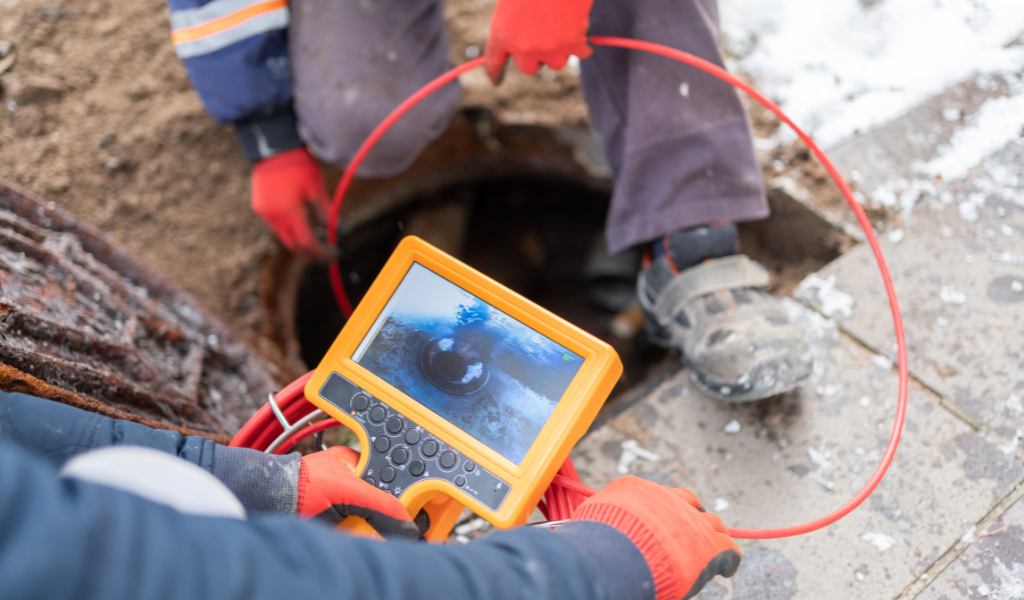
CCTV drain cameras detect blockages, tree root ingress, cracks, corrosion, misaligned joints, collapsed pipes, sagging sections, and foreign objects inside drainage systems. Professional plumbers use waterproof camera technology to identify problems deep within pipes without excavation, providing accurate diagnosis for targeted repairs.
Modern plumbing diagnostics rely on CCTV drain cameras to identify problems hidden beneath Brisbane properties. Understanding what problems can CCTV drain cameras detect helps homeowners make informed decisions about drainage maintenance and repairs. These sophisticated inspection tools reveal everything from minor blockages to catastrophic pipe failures, eliminating guesswork from the diagnostic process.
Brisbane’s clay soils, established tree canopies, and ageing infrastructure create unique challenges for drainage systems. CCTV drain inspections provide non-invasive assessment of underground pipes, identifying defects before they escalate into costly emergencies. Professional plumbers use real-time video footage to pinpoint exact locations and severity of problems, enabling precise repair strategies that save time and money.
Property owners benefit from understanding the full range of detectable problems:
- Blockages from debris, grease, and sediment accumulation
- Tree root infiltration through joints and cracks
- Structural failures including cracks, fractures, and holes
- Internal deterioration from corrosion and mineral scaling
- Misaligned joints causing flow disruption
- Sagging pipe sections holding water and debris
- Collapsed pipes requiring immediate replacement
- Foreign objects lodged within drainage lines
Key Takeaways
✅ CCTV drain cameras detect eight major problem types including blockages, tree roots, cracks, corrosion, misalignment, sagging, collapse, and foreign objects, providing comprehensive drainage system assessment without excavation.
✅ Professional camera inspections combine specialized equipment with experienced operators to identify defects accurately, using high-definition video, distance tracking, and locating technology for precise problem documentation.
✅ Brisbane properties face unique drainage challenges from clay soils, established trees, and ageing infrastructure, making regular CCTV inspections essential for preventing costly emergency repairs and property damage.
✅ Early problem detection through camera surveys enables targeted repairs including hydro-jetting, pipe relining, and strategic replacement, reducing costs significantly compared to reactive emergency responses to drainage failures.
Problems That CCTV Drain Cameras Can Detect
CCTV drain cameras identify structural defects, blockages, and deterioration throughout residential and commercial drainage systems. The technology reveals problems invisible to traditional inspection methods, navigating bends, vertical drops, and long horizontal runs to document conditions throughout entire drainage networks.
These problems range from minor obstructions to complete pipe collapse:
- Partial or complete blockages restricting water flow
- Tree root masses penetrating through joints
- Cracks, fractures, and holes compromising pipe integrity
- Corrosion degrading metal pipes and fittings
- Scale deposits reducing effective pipe diameter
- Offset joints creating steps and turbulence
- Sagging sections collecting sediment and debris
- Collapsed pipes requiring emergency replacement
- Foreign objects lodged at bends or junctions
High-resolution footage captures fine details like hairline cracks and early-stage corrosion before they compromise pipe integrity. Early detection through camera inspection prevents extensive property damage, blocked drains, and reduces repair costs significantly.
Quick Problem List
| Problem Type | Detection Method | Severity Indicators |
|---|---|---|
| Blockages | Visual obstruction, water pooling | Complete/partial flow restriction |
| Tree roots | White/brown tendrils, mat formations | Penetration depth, growth density |
| Cracks | Linear breaks in pipe wall | Length, width, soil intrusion |
| Corrosion | Surface degradation, scaling | Material loss, pitting depth |
| Misalignment | Joint separation, offset sections | Gap size, directional deviation |
| Sagging | Low sections holding water | Belly depth, length of affected area |
| Collapse | Crushed/broken pipe sections | Percentage of diameter compromised |
| Foreign objects | Non-drainage items visible | Size, location, removal difficulty |
How CCTV Drain Cameras Detect Problems Inside Pipes
CCTV drain cameras combine specialized hardware with experienced operators to identify drainage problems accurately. Professional plumbers interpret camera footage to distinguish between minor issues and serious defects requiring immediate attention.
The inspection process follows systematic protocols:
- Waterproof cameras mounted on flexible cables or crawler units
- LED lighting illuminating pipe interiors
- High-definition sensors capturing detailed video footage
- Recording equipment documenting findings with timestamp markers
- Distance counters tracking exact problem locations
- Radio transmitters pinpointing defects from ground level
Equipment Components
Modern CCTV drain inspection systems include waterproof cameras mounted on flexible cables or crawler units. Professional equipment features several critical components:
- Push rod cameras for residential pipes (50mm to 150mm diameter)
- Self-propelled crawler units for larger commercial systems
- LED lighting arrays providing consistent illumination
- High-definition sensors capturing fine details
- Sonar attachments for water-filled pipe inspection
- Radio transmitters for precise above-ground location
- Distance counters tracking camera position accurately
- Recording systems documenting entire inspection runs
Locating equipment works alongside cameras to pinpoint problem areas from ground level. Radio transmitters built into camera heads send signals that surface receivers detect, marking exact defect locations for excavation planning. This technology eliminates exploratory digging and reduces repair costs substantially.
Inspection Process
Licensed plumbers begin inspections by accessing drainage systems through existing clean-out points or removable fixtures. The systematic process ensures comprehensive pipe assessment:
- Camera heads enter pipes at strategic access locations
- Operators advance cameras slowly through drainage lines
- Real-time video displays monitor pipe conditions continuously
- Distance counters track camera position throughout runs
- Operators pause at defects for detailed multi-angle footage
- Recording systems capture complete inspection documentation
- Written reports accompany video with problem descriptions
- Location markers identify exact defect positions
Brisbane properties benefit from thorough inspections covering all accessible drainage lines. Main sewer connections, stormwater drains, and internal plumbing waste lines receive systematic assessment. Complete documentation supports insurance claims and provides baseline records for ongoing maintenance planning.
CCTV Drain Camera Findings: Full Defect Library
Professional CCTV drain inspections reveal specific defect types requiring different repair approaches. Understanding these problems helps property owners recognize inspection findings and appreciate recommended solutions. Each defect category presents unique challenges to drainage system performance and longevity.
Blockages
Blockages appear as partial or complete obstructions preventing water flow through drainage pipes. CCTV cameras identify blockage composition and guide appropriate clearing methods:
- Grease accumulation from kitchen waste
- Sediment buildup reducing pipe diameter
- Debris collections at bends and junctions
- Organic matter forming soft obstructions
- Hardened scale deposits requiring mechanical cutting
- Foreign objects creating focal blockage points
- Root masses forming dense obstructions
- Combined materials requiring multiple clearing techniques
Early blockage detection prevents complete drain failure and potential sewage backups into properties. High-pressure water jetting removes soft blockages effectively while hardened deposits need specialized equipment. Tree root masses require cutting followed by pipe repair at entry points. For Brisbane homeowners, finding out when to get a CCTV drain inspection helps address blockages before they cause property damage.
Tree Root Ingress
Tree roots infiltrate drainage pipes through cracks, joints, and connection points seeking moisture and nutrients. Camera footage shows root development stages and infestation severity:
- White root tendrils indicating early growth stages
- Brown woody masses in advanced infestations
- Complete pipe filling blocking all water flow
- Root entry points at joints and cracks
- Growth patterns throughout affected sections
- Pipe damage from expanding root systems
Brisbane’s established suburbs including Paddington, New Farm, and Ascot contain mature trees with aggressive root systems. Ficus, eucalyptus, and bamboo species particularly threaten underground drainage infrastructure. Roots exploit minor defects as entry points, expanding joints and widening cracks as growth continues.
CCTV inspections reveal root intrusion severity and distribution throughout drainage networks. Footage guides decisions between cutting existing roots, installing root barriers, or replacing compromised pipe sections. Chemical root treatments suppress regrowth temporarily but physical removal and pipe repair provide lasting solutions.
Cracks, Fractures, Holes
Structural breaks in pipe walls allow soil infiltration and water leakage into surrounding areas. CCTV cameras detect various crack types requiring different repair approaches:
- Hairline cracks invisible during external inspections
- Extensive fractures compromising pipe integrity
- Through-wall holes allowing active soil entry
- Longitudinal cracks along pipe lengths
- Circumferential breaks around pipe diameters
- Surface crazing versus structural failures
- Crack propagation threatening collapse
Ground movement from Brisbane’s reactive clay soils stresses rigid pipes causing crack formation. Temperature fluctuations, traffic loading, and root pressure contribute to structural failure. Small cracks propagate over time, developing into holes that require complete pipe section replacement.
Camera inspections distinguish between superficial surface crazing and through-wall cracks threatening pipe collapse. Accurate crack assessment informs repair versus replacement decisions based on remaining pipe life expectancy.
Corrosion and Scaling
Internal pipe surface degradation appears as rough textures, pitting, and material loss visible through CCTV cameras. Aggressive soil conditions and water chemistry accelerate deterioration in underground drainage systems:
- Rough surface textures indicating material loss
- Pitting from chemical reactions
- Perforations allowing groundwater infiltration
- Mineral deposit accumulation on pipe walls
- Scale thickness reducing effective diameter
- Heavy scaling restricting water flow
- Wall thinning threatening structural failure
Corrosion affects metal pipes including galvanized steel and cast iron common in older Brisbane properties. Camera footage documents corrosion severity by showing remaining wall thickness and perforation locations. Advanced corrosion creates holes allowing groundwater infiltration and sewage leakage into soil.
Scale deposits build up gradually from hard water minerals and chemical reactions within drainage systems. Heavy scaling reduces pipe capacity significantly, increasing backup risks. CCTV inspections measure scale thickness and distribution, determining whether mechanical cleaning restores adequate flow or replacement becomes necessary.
Offsets and Misaligned Joints
Joint separation creates steps inside pipes where sections no longer align properly. CCTV cameras clearly show offset joints affecting drainage performance:
- Vertical misalignment creating height differences
- Horizontal displacement shifting pipe positions
- Angular deviation changing flow direction
- Complete joint separation with visible gaps
- Turbulence disrupting smooth water flow
- Debris collection at misaligned points
- Progressive worsening from ongoing ground movement
Ground settlement shifts pipes vertically or horizontally, pulling joints apart. Poor initial installation or inadequate bedding material contributes to joint failure. Brisbane’s expansive clay soils undergo seasonal volume changes stressing rigid pipe connections until separation occurs.
Offset severity ranges from minor misalignment barely affecting flow to complete joint separation where pipes no longer connect. Camera footage measures gap dimensions and displacement angles, informing repair complexity. Significant offsets require excavation and pipe realignment to restore proper drainage function.
Sagging or Bellied Pipes
Low sections form when pipes lose proper gradient, creating bellies that hold water and collect sediment. CCTV cameras identify sagging problems through visual indicators:
- Standing water in sections that should drain completely
- Sediment accumulation in low areas
- Debris settling at belly locations
- Progressive deflection under sediment weight
- Gradient loss preventing proper drainage
- Deep bellies holding substantial water volumes
Inadequate pipe bedding, soil washout beneath pipes, and ground settlement cause sagging. The problem worsens over time as sediment weight accelerates pipe deflection. Severe sagging prevents proper drainage even without solid blockages present.
Camera inspections measure belly depth and length, assessing whether cleaning restores function temporarily or permanent repair becomes necessary. Deep bellies holding substantial water volumes require excavation and pipe relaying at correct gradient. Brisbane’s high water table exacerbates sagging problems by washing away pipe support material during wet seasons.
Collapsed Pipes
Complete pipe failure appears as crushed or broken sections fully blocking drainage flow. CCTV cameras identify collapse characteristics requiring emergency repair:
- Crushed sections reducing cross-sectional area
- Broken pipe segments blocking flow completely
- Partial collapses allowing limited water passage
- Multiple failure points throughout systems
- Soil intrusion filling collapsed areas
- Complete blockage of camera passage
Heavy traffic loading, deep burial depth, and structural deterioration contribute to pipe collapse. Old earthenware and concrete pipes lack flexibility to withstand ground movement. Collapse typically follows progressive deterioration including cracking, corrosion, and loss of bedding support.
Camera footage shows partial collapses where pipe cross-sections reduce but some flow continues. Complete collapses require excavation before cameras can inspect beyond failure points. Multiple collapses throughout drainage systems indicate widespread replacement needs rather than isolated repairs.
Foreign Objects
Non-drainage items lodge in pipes creating blockages and flow restrictions. CCTV cameras clearly identify foreign objects and assess removal difficulty:
- Children’s toys wedged at bends
- Construction debris from renovation work
- Feminine hygiene products causing blockages
- Wipes and nappies despite disposal warnings
- Tree branches in stormwater drains
- Rocks and building materials
- Excessive paper products
- Items traveling from distant entry points
Brisbane plumbers commonly find inappropriate waste disposal items in sanitary drainage systems. These objects create blockage cores where additional material accumulates. Foreign objects sometimes travel considerable distances before lodging at bends or junction points.
Camera inspections determine whether foreign objects respond to water jetting or require mechanical retrieval. Large items may necessitate pipe excavation for removal. Identifying foreign object entry points prevents recurrence through fixture modifications or property owner education.
When to Book a CCTV Drain Camera Inspection
Property owners should schedule CCTV drain inspections when experiencing drainage problems or as preventive maintenance. Specific situations warrant immediate camera assessment:
- Recurring blockages indicating underlying problems
- Slow draining fixtures throughout the property
- Gurgling sounds from drains and toilets
- Sewage odours inside or around buildings
- Water pooling in yards or garden areas
- Foundation cracks potentially from pipe leaks
- Pre-purchase property inspections
- Properties with mature trees near drainage lines
- Older homes built before 1980
- Insurance claim documentation requirements
Regular inspections detect developing issues before they escalate into emergencies. For Brisbane homeowners, understanding what a CCTV drain inspection is and how it works provides detailed information about the inspection benefits and process.
Properties with mature trees benefit from proactive root intrusion monitoring. Older homes often contain deteriorating earthenware or cast iron pipes warranting professional assessment. Insurance claims for drainage damage require documentation that CCTV inspections provide comprehensively.
CCTV Drain Camera Limitations and Inspection Prep
While highly effective, CCTV drain cameras face certain limitations affecting inspection completeness. Proper preparation maximizes inspection effectiveness and diagnostic accuracy.
Limitations
Camera technology cannot overcome certain physical and environmental constraints:
- Completely water-filled pipes with sediment clouding visibility
- Collapsed sections blocking camera passage
- Extremely small diameter pipes under 40mm
- Multiple sharp bends in short pipe runs
- Heavy root intrusions preventing camera advancement
- Very long runs exceeding cable lengths
- Heavily encrusted pipes obscuring surface details
- Extreme lighting limitations in dirty conditions
Understanding these constraints helps property owners set realistic expectations for inspection outcomes. Pre-cleaning improves inspection quality but adds time and cost to the process. Multiple access points may be necessary for complete system assessment when blockages prevent through-passage.
Preparation Steps
Property owners should take specific actions before scheduled inspections:
- Locate and expose all drainage access points
- Remove clean-out caps and clear surrounding areas
- Clear immediate blockages if possible
- Avoid fixture use several hours before inspection
- Provide drainage system layouts or building plans
- Document recent drainage problems
- Note previous repair history
- Confirm property age and original construction details
- Arrange unrestricted site access for equipment
- Discuss specific concerns with plumbers beforehand
Identifying approximate problem locations helps plumbers plan efficient inspection strategies. Clearing access areas prevents delays and ensures inspections proceed smoothly. Property owners should provide context about drainage issues and property history to focus inspections on priority areas.
What to Do After CCTV Drain Camera Detects a Problem
Camera inspection findings guide appropriate responses based on problem severity and property circumstances. Understanding repair options helps property owners make informed decisions about drainage system maintenance.
Professional plumbers explain defect implications and recommend solutions matching client budgets and timelines:
- Urgent problems requiring immediate attention
- Non-critical defects scheduled for convenient timing
- Minor issues monitored through regular inspections
- Preventive treatments avoiding future problems
- Repair method selection based on defect type
- Cost estimates for different repair approaches
- Timeline expectations for various solutions
- Long-term maintenance planning
Repair Decision Path
| Inspection Scenario | Camera Suitability | Alternative Methods |
|---|---|---|
| Clear dry pipes | Excellent visibility | Visual inspection at access points |
| Standing clear water | Good visibility | Sonar attachment for depth |
| Muddy/turbulent water | Poor visibility | Pre-cleaning then camera inspection |
| Completely blocked | Camera cannot pass | Clearing required first |
| Very small pipes (<40mm) | Standard cameras too large | Specialized micro-cameras |
| Extremely long runs (>100m) | Multiple access points needed | Sectional inspection approach |
Pipe relining offers trenchless repair for many defect types, avoiding extensive excavation and property disruption. Traditional dig-and-replace methods suit extensively damaged sections or situations where complete pipe renewal proves most cost-effective. Brisbane plumbers provide detailed quotes explaining repair approaches, materials, and expected outcomes.
| Problem Severity | Recommended Action | Typical Timeframe |
|---|---|---|
| Minor blockages | Hydro-jetting or mechanical cleaning | Same day clearance |
| Early root growth | Root cutting and preventive treatment | 1-2 days |
| Small cracks/offsets | Spot repairs or pipe relining | 2-5 days |
| Moderate deterioration | Pipe relining or section replacement | 3-7 days |
| Extensive damage | Complete pipe replacement | 1-2 weeks |
| System-wide failure | Full drainage system renewal | 2-4 weeks |
Book a CCTV Drain Camera Survey for Your Brisbane Property
Professional CCTV drain inspections protect Brisbane properties from costly drainage failures and provide peace of mind about underground system conditions. AC Plumbing’s licensed technicians deliver comprehensive camera surveys with detailed reports and practical repair recommendations. Our advanced inspection equipment and experienced operators ensure accurate problem detection and efficient service delivery.
Don’t wait for drainage emergencies to discover hidden pipe problems. Proactive inspections identify developing issues before they cause property damage or require expensive emergency repairs. Whether investigating current drainage concerns or conducting preventive maintenance, professional camera surveys provide valuable insights into your property’s underground infrastructure.
Contact AC Plumbing today to schedule your CCTV drain inspection. Our Brisbane team services Paddington, New Farm, Ascot, and surrounding suburbs with prompt, professional diagnostic services. Protect your property investment with regular drainage system assessments from Queensland’s trusted plumbing specialists.
Call our team to book your inspection and receive expert advice about your property’s drainage health.
FAQs
Are CCTV drain cameras waterproof?
Yes, advanced CCTV drain cameras used in pipe inspections feature fully waterproof and dustproof construction, allowing complete submersion inside the drain. The specially designed camera equipment includes LED lighting and sealed housings functioning effectively in wet conditions, essential for imaging pipe walls during visual inspection. While water-filled drain pipes are common during inspections, sediment and turbidity may reduce camera visibility. When water clarity is low, sonar attachments supplement the inspection process to detect hidden problems using CCTV technology. Brisbane plumbing professionals rely on this expert CCTV drain inspection equipment to accurately diagnose common issues within drainage problems inside plumbing systems.
Will inspection damage pipes?
Regular CCTV drain inspections work as non-invasive, professional inspections that do not damage properly installed drainage pipes. The inspection camera attached to flexible cables or crawler wheels navigates pipes gently, avoiding damage to pipe walls. While small problems like pipe corrosion or tree root intrusion may loosen scale during passage, structural damage or pipe collapses are not caused by the inspection process. The inspection provides critical information to diagnose plumbing problems and identify issues early before they escalate.
Who is responsible for blocked sewers?
Responsibility typically lies with property owners for private drain pipes from buildings to property boundaries, while local councils manage public sewer mains. Regular drain camera inspections help clarify boundaries by detecting issues early and marking problem locations for maintenance. Shared drains require cooperation among owners. Understanding who maintains what helps prevent plumbing issues and hidden problems down the line.
Can cameras see through water?
CCTV drain inspections help by using waterproof cameras in water-filled pipes, but the effectiveness depends on water clarity. Clear water allows detailed inspection of pipe walls and detection of pipe damage or structural issues like pipe collapses and tree root intrusion. Sediment-rich or flowing water reduces visibility, sometimes requiring cleaning or use of sonar technology to supplement the inspection camera. Advanced CCTV systems provide expert inspection services ensuring problems within drainage pipes are detected accurately.
How accurate are CCTV drain cameras at locating problems?
Using advanced CCTV drain technology, inspection cameras provide highly accurate location data with distance counters and radio transmitters, pinpointing problem areas to centimeter precision for targeted repairs. The inspection can help map structural damage, pipe corrosion, or small problems within plumbing systems, whether it’s a residential drain or commercial plumbing problem. This accuracy saves money by catching issues early and avoiding unnecessary excavation. Brisbane experts mark locations on site to ensure efficient repair during the inspection process.


