
Can You Block Storm Drains? (What’s Legal and What Causes Problems)
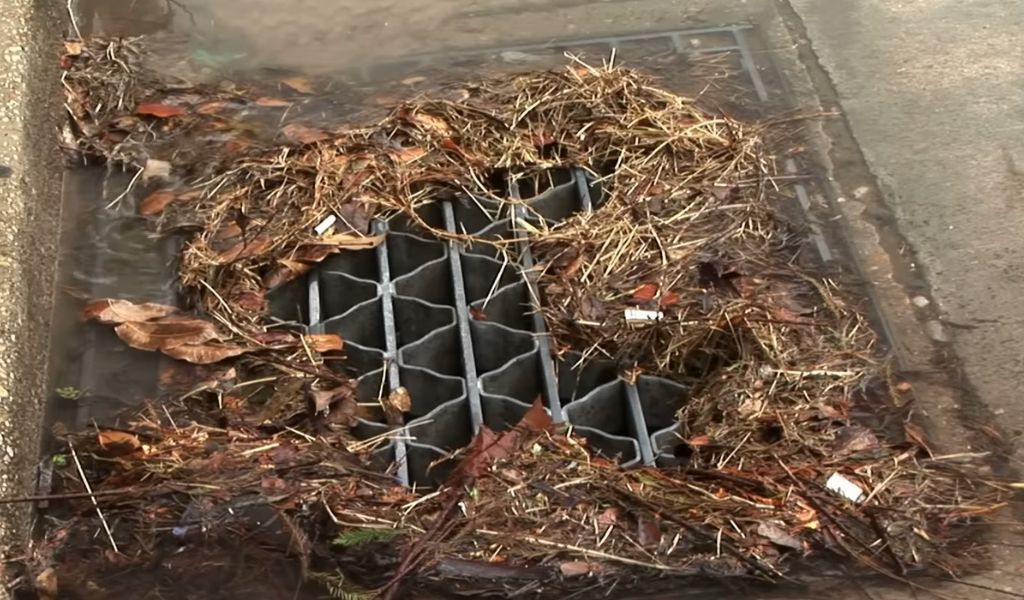
Blocking a storm drain, even unintentionally, is illegal in Queensland and can result in significant fines, property damage, and liability for flooding to neighbouring properties. Storm drains are part of council-managed stormwater infrastructure, meaning residents and businesses have a legal obligation to keep them clear of debris, waste, and obstructions.
Understanding what counts as a blockage, who is responsible for maintenance, and what commonly causes storm drain problems helps Brisbane property owners stay compliant and avoid costly consequences.
Key Takeaways
✅ Blocking a storm drain is illegal in Queensland under local government and environmental protection legislation, with fines applying to both deliberate obstruction and negligent failure to maintain drainage on private property.
✅ The seven most common causes of blocked storm drains include leaf litter, sediment runoff, construction waste, grease, tree root intrusion, litter, and structural pipe failure, most of which are preventable with regular maintenance.
✅ Property owners are responsible for drainage infrastructure within their boundary, while Brisbane City Council manages public stormwater assets including street grates, kerb inlets, and pipes beneath public roads.
✅ CCTV drain inspection identifies underlying structural problems including root intrusion and pipe collapse that cause recurring storm drain blockages and cannot be diagnosed from surface symptoms alone.
What Is a Storm Drain and Who Owns It?
Storm drains collect surface water runoff during rainfall and channel it away from roads, footpaths, and properties into waterways. In Brisbane, this infrastructure is managed by Brisbane City Council under the Water Supply (Safety and Reliability) Act 2008 and local stormwater bylaws.
Ownership and maintenance responsibilities are split between two parties.
| Asset | Who Is Responsible |
| Street-level grates and kerb inlets | Brisbane City Council |
| Pipes beneath public roads | Brisbane City Council |
| On-property drainage (pits, pipes, soak wells) | Property owner |
| Shared boundary drainage | Both parties (dispute-dependent) |
Property owners are responsible for drainage infrastructure within their property boundary. Once stormwater leaves your property and enters council infrastructure, the council takes over, but you remain liable for any blockage that originates from your property.
Is It Illegal to Block a Storm Drain in Brisbane?
Yes. Deliberately or negligently blocking a storm drain is an offence under Queensland legislation and Brisbane City Council local laws.
Under the Local Government Act 2009 and Brisbane City Council’s stormwater management requirements, property owners must not:
- Allow solid waste, soil, or building materials to enter the stormwater system
- Redirect drainage in a way that causes flooding on neighbouring land
- Connect sewage or trade waste to stormwater infrastructure
- Place structures, fill, or landscaping over drainage easements without approval
Penalties vary depending on the severity and nature of the blockage. Minor infringements typically attract on-the-spot fines, while deliberate or repeated offences can escalate to formal prosecution. Contractors carrying out excavation or construction work near stormwater infrastructure must comply with erosion and sediment control requirements under the Environmental Protection Act 1994.
What About Accidental Blockages?
Accidental blockages, where leaf litter, garden waste, or sediment naturally accumulates over a drain on your property boundary, are generally treated differently to deliberate obstruction. However, property owners still carry a duty of care to inspect and clear drainage regularly, particularly before and during Brisbane’s wet season (November to April).
Failing to act on a known blockage, even an accidental one, can result in council enforcement action if it causes downstream flooding or water quality issues.
7 Common Causes of Blocked Storm Drains
Storm drain blockages in Brisbane rarely happen overnight. Most develop gradually from predictable sources that property owners can monitor and address before they escalate.
1. Leaf Litter and Garden Debris
Brisbane’s subtropical climate supports dense tree canopies throughout suburbs like Paddington, Ashgrove, and Red Hill. During autumn and following storms, leaf litter accumulates rapidly around kerb-side grates and property drainage pits.
Leaves compact and mat together when wet, forming a near-impermeable layer across grate surfaces. Regular sweeping around drain inlets, particularly after storms, prevents this from becoming a sustained blockage.
2. Sediment and Soil Runoff
Stormwater carries fine soil particles from gardens, landscaped areas, and exposed ground into drainage systems. Over time, sediment settles in low-gradient pipes and pits, progressively reducing flow capacity.
This is especially common on Brisbane’s clay-heavy soils in areas like The Gap and Kenmore, where erosion occurs quickly after heavy rainfall. Installing sediment filters on property drainage pits and maintaining adequate ground cover reduces sediment load significantly.
3. Concrete and Construction Waste
Renovation and construction activity is a leading cause of storm drain contamination in residential areas. Concrete washout, plaster, mortar, and tile adhesive harden inside drainage pipes and are extremely difficult to remove once set.
Brisbane City Council requires all construction sites to implement sediment and erosion control measures, including:
- Sediment fences along site boundaries
- Concrete washout areas away from drains
- Straw bales or silt socks around drainage inlets
- Covered waste storage on site
Builders and homeowners overseeing renovations share responsibility for ensuring construction waste does not enter the stormwater system.
4. Grease and Organic Waste
While grease blockages are more commonly associated with sewer drains, they also affect stormwater systems when residents wash down driveways, BBQ areas, or outdoor kitchens. Fats and oils cool and solidify inside drainage pipes, bonding with sediment to form stubborn deposits.
This is a particular issue for properties in New Farm and inner-Brisbane suburbs with smaller-diameter legacy drainage infrastructure. Avoid hosing grease-contaminated surfaces directly toward drainage inlets.
5. Tree Root Intrusion
Tree roots seek moisture and naturally migrate toward underground drainage infrastructure. Once roots find a joint or hairline crack in a stormwater pipe, they enter and expand, eventually collapsing the pipe or creating a dense root mass that traps debris.
Older clay and concrete stormwater pipes, common in established Brisbane suburbs, are particularly vulnerable. CCTV drain inspections can identify root intrusion early before structural damage occurs.
6. Litter and Illegal Dumping
Plastic packaging, fast food containers, and general litter washed into kerb-side grates during rainfall contribute significantly to downstream blockages. Illegal dumping of household waste, soil, or green waste near drainage easements is both a blockage risk and an environmental offence under the Environmental Protection Act 1994.
Brisbane City Council operates a waste and dumping reporting system, and property owners are encouraged to report illegal dumping near drainage infrastructure promptly.
7. Structural Pipe Failure
Older stormwater infrastructure can collapse, crack, or become misaligned over time, creating internal obstructions that restrict flow even without foreign material. Collapsed sections trap debris passing through the system, accelerating further blockage.
Pipe failure typically requires CCTV inspection to diagnose accurately, as surface symptoms such as slow drainage or pooling water during rain can look similar to standard sediment blockages.
How Blocked Storm Drains Cause Problems
Understanding why authorities treat storm drain blockages seriously requires understanding what happens when drainage infrastructure fails during a rain event.
| Consequence | Description |
| Property flooding | Water backs up and enters structures when pipes cannot carry design flow volumes |
| Road and footpath damage | Standing water weakens road base and causes surface deterioration |
| Erosion | Redirected flows scour landscaping and destabilise retaining walls |
| Water quality damage | Pollutants flushed from blocked systems contaminate waterways |
| Mosquito breeding | Standing water in blocked pits creates breeding habitat |
| Council enforcement | Blockages causing downstream damage attract fines and repair cost liability |
Brisbane’s wet season delivers intense, short-duration rainfall events that test drainage capacity significantly. Partially blocked infrastructure that functions adequately in light rain can fail completely during a storm, causing rapid inundation of properties across suburbs like Indooroopilly, Toowong, and Fig Tree Pocket, all areas with established history of localised flooding.
What to Do If Your Storm Drain Is Blocked
If you suspect a storm drain on or adjacent to your property is blocked, the appropriate steps depend on where the drain is located.
- Blockage on private property: Clear accessible debris from pit grates manually. If flow does not improve, contact a licensed plumber to inspect internal drainage infrastructure. Do not use chemicals or high-pressure water near stormwater systems without professional guidance.
- Blockage on public infrastructure (street grates, kerb inlets): Report directly to Brisbane City Council via the council website or 07 3403 8888. Do not attempt to remove grates or access public drainage infrastructure yourself, as this requires council authorisation.
- Blockage causing immediate flooding: Contact Brisbane City Council for emergency response. If flooding is entering a structure, contact a licensed plumber immediately for drainage assessment.
AC Plumbing provides blocked drain services across Brisbane, including diagnosis and clearing of stormwater drainage problems on residential and commercial properties.
Professional Drainage Services in Brisbane
Persistent storm drain problems require professional assessment, not repeated temporary clearing. AC Plumbing’s licensed technicians provide comprehensive drainage services across Brisbane, diagnosing and resolving both surface and underground stormwater blockages correctly the first time.
Don’t wait for the wet season to expose drainage problems. Visit AC Plumbing for expert blocked drain services, or reach out to our contact team to schedule an inspection. We service properties across Paddington, New Farm, Ashgrove, The Gap, Red Hill, and surrounding Brisbane suburbs.
FAQs
Can a Neighbour Be Held Responsible for Blocking a Shared Drain?
Yes. If a neighbour’s actions such as landscaping, construction, or illegal dumping cause a shared boundary drain to block, they can be held liable for resulting damage. Disputes involving shared drainage infrastructure are handled through Brisbane City Council or, in serious cases, through Queensland civil courts.
What Happens If I Block a Storm Drain During Renovations?
Allowing construction waste to enter the stormwater system during renovations can result in council fines and a requirement to fund remediation works. Brisbane City Council actively monitors building sites and responds to complaints from neighbouring properties about stormwater contamination.
How Often Should I Inspect My Property’s Stormwater Drains?
Brisbane property owners should inspect accessible drainage pits and grates at least twice yearly, before and after the wet season. Properties with large trees, recent construction activity, or older clay pipe infrastructure benefit from annual professional CCTV inspection.
Are Storm Drains and Sewer Drains the Same System?
No. Stormwater and sewage are completely separate systems in Brisbane. Stormwater drains collect surface rainwater and discharge to waterways untreated, while sewage is carried to treatment plants. Connecting sewage to stormwater infrastructure is illegal and carries significant penalties.
Can Tree Roots Be Removed From Storm Drains Without Replacing the Pipe?
In many cases, yes. Hydro-jetting can clear root masses from stormwater pipes, and pipe relining can seal cracked joints to prevent re-entry without full pipe replacement. A CCTV inspection determines whether root clearing alone is sufficient or whether structural repair is needed.


