
Can Drains Unblock Themselves? (When It Happens and When It Won’t)
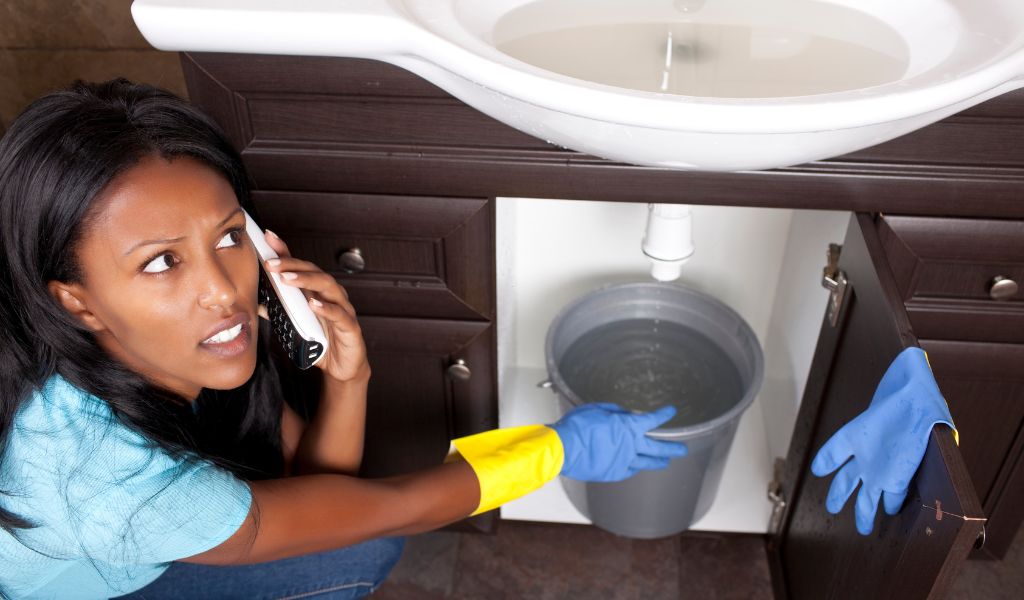
Some minor drain blockages do clear on their own, but most require intervention to resolve fully. Whether a blocked drain fixes itself depends on what is causing the blockage, where it is located, and how long it has been building up.
Understanding when a drain might self-clear and when it definitely will not helps Brisbane homeowners decide whether to wait, attempt DIY clearing, or call a licensed plumber before the problem worsens.
Key Takeaways
✅ Most drain blockages will not clear on their own, with grease buildup, hair accumulation, tree root intrusion, foreign objects, and structural pipe failure all requiring active intervention regardless of how long the drain is left.
✅ Minor soap scum or fine sediment blockages occasionally improve with sustained hot water flushing, but this only applies to early-stage partial restrictions in otherwise well-maintained pipes, not established blockages.
✅ Leaving a blocked drain untreated allows the underlying problem to worsen, with grease hardening further, roots continuing to grow, and structural damage progressing to the point where repair becomes significantly more costly.
✅ Recurring blockages in the same location indicate an underlying structural or environmental cause that clearing alone cannot resolve, requiring CCTV drain inspection to diagnose accurately before a permanent solution is applied.
How Drain Blockages Form
Most blockages do not appear suddenly. They build gradually as material accumulates inside a pipe over days, weeks, or months. Hair, soap scum, grease, food scraps, and sediment narrow the internal pipe diameter progressively until flow slows noticeably or stops altogether.
The nature of the material causing the blockage determines whether there is any realistic chance of it clearing without intervention. Soft, water-soluble material behaves very differently inside a pipe than hardened grease, tree roots, or a physical foreign object.
Brisbane’s older housing stock in suburbs like Paddington, New Farm, and Ashgrove features ageing clay and cast iron pipework with rougher internal surfaces than modern PVC. These surfaces accumulate debris more readily and are less likely to self-clear because material bonds to pipe walls rather than washing through.
When Drains Can Unblock Themselves
There are limited circumstances where a blocked drain may improve or clear without active intervention.
Light Soap Scum or Fine Sediment Blockages
Very minor accumulations of soap scum or fine sediment in a well-maintained pipe can sometimes shift with sustained water flow. Running hot water through a slow drain for several minutes can soften soap deposits enough to break them free and carry them further down the line.
This only works when the blockage is early-stage and the pipe is otherwise clean. Once soap scum has built up to the point of noticeably slowing drainage, sustained flushing alone rarely clears it fully.
Small Amounts of Organic Material in Outdoor Drains
Outdoor stormwater drains that are partially obstructed by loose leaf litter may clear partially during heavy rainfall when increased water volume flushes surface debris through. This is not true self-clearing as the blockage material is simply relocated further into the drainage system rather than being removed.
If outdoor drains appear to improve after a heavy rain event only to slow again shortly afterward, debris has typically moved deeper into the pipe rather than cleared entirely.
Toilet Paper in Toilet Drains
Genuine toilet paper is designed to break down rapidly in water. A small amount of toilet paper causing a minor restriction in a toilet drain may dissolve sufficiently over time to restore partial flow. This is distinct from blockages caused by wet wipes, sanitary products, or large volumes of paper, none of which break down in water and will not self-clear.
When Drains Will Not Unblock Themselves
The majority of drain blockages will not resolve without intervention. The following causes require active clearing or repair.
Grease and Fat Buildup
Grease and cooking fat that enters kitchen drains solidifies as it cools and bonds to pipe walls. Unlike loose debris, solidified grease does not shift with water flow. It accumulates in layers, progressively narrowing the pipe until flow stops entirely.
Hot water may soften grease temporarily but rarely clears an established buildup. Understanding what causes blocked drains in kitchen lines helps homeowners recognise grease as a long-term pipe health issue rather than a one-off problem.
Hair Accumulation in Bathroom Drains
Hair does not break down in water. A hair blockage in a shower or bath drain will not self-clear regardless of how long it is left. Hair binds with soap scum to form dense, cohesive masses that grip pipe walls and catch additional debris passing through.
Early-stage hair blockages respond well to manual removal using a drain snake or hook tool. Established hair blockages deeper in the pipe require professional clearing.
Tree Root Intrusion
Tree roots that have entered drain pipes through cracks or joints will not retract on their own. Roots continue growing as long as they have access to moisture and nutrients inside the pipe. Knowing how to prevent tree roots from damaging your sewer line is particularly relevant for Brisbane properties in suburbs like Red Hill, The Gap, and Kenmore where root intrusion in residential drain lines is common.
Foreign Objects
Items that enter drains accidentally, including jewellery, bottle caps, children’s toys, or personal care products, create physical obstructions that water cannot move. Foreign objects lodge at pipe bends and low points and will not clear without mechanical retrieval or professional intervention.
Structural Pipe Failure
Collapsed, cracked, or misaligned pipes create permanent internal obstructions regardless of what material caused the initial blockage. Structural failures require pipe repair or relining, not clearing. A CCTV drain inspection identifies collapse points accurately before any repair work begins.
Recurring Blockages in the Same Location
If a drain blocks repeatedly in the same location, this is a strong indicator of an underlying structural or environmental cause that will not resolve on its own. Drainage problems that come back quickly after clearing are worth investigating properly, and how often drains get blocked can help homeowners understand whether their blockage frequency is normal or a sign of something more serious.
What Happens If You Leave a Blocked Drain
Waiting to see if a blocked drain clears itself carries real risk, particularly when the blockage is anything other than very minor.
| Blockage Left Untreated | Likely Outcome |
| Partial grease buildup | Progresses to complete blockage |
| Hair accumulation | Worsens as more hair is added daily |
| Tree root intrusion | Roots continue growing, pipe damage worsens |
| Foreign object | Accumulates debris, causes complete stoppage |
| Structural failure | Water damage, subsidence risk increases |
| Sewage backup | Health hazard, property damage |
A slow drain that is ignored typically becomes a completely blocked drain within weeks. In the case of tree root intrusion or structural failure, delay allows damage to worsen to the point where pipe replacement rather than repair becomes necessary.
What You Can Try Before Calling a Plumber
For minor blockages that may respond to home treatment, there are a few practical options worth trying first. A plunger creates pressure that can dislodge soft blockages close to the drain opening. For bathroom drains, manually removing visible hair from the grate surface often restores flow immediately. Hot water flushed through a kitchen drain can soften early-stage grease deposits.
There are also several methods worth knowing when dealing with a slow drain at home, and how to unblock a drain covers practical DIY options in detail. Avoid chemical drain cleaners as a first response as they are corrosive to older pipe materials common in Brisbane homes and rarely clear anything more substantial than very soft organic matter.
When to Call a Licensed Plumber
Stop attempting home remedies and contact a licensed plumber if the drain is completely stopped with no flow, multiple fixtures are draining slowly at the same time, sewage odours are present inside the property, or water is backing up into other fixtures when a drain is used.
A blocked drain showing any of these signs requires professional diagnosis rather than further home treatment. CCTV inspection identifies the exact cause and location of the blockage so the right solution is applied the first time.
Professional Blocked Drain Services in Brisbane
Most blocked drains will not fix themselves, and waiting costs more in the long run. AC Plumbing’s licensed technicians diagnose and clear blocked drains across Brisbane, identifying the actual cause rather than just restoring temporary flow.
Visit AC Plumbing for professional drain clearing services, or get in touch with our contact team to book an inspection. We service Paddington, New Farm, Ashgrove, Red Hill, The Gap, Kenmore, and surrounding Brisbane suburbs.
FAQs
How Long Does It Take for a Blocked Drain to Clear Itself?
Minor soap scum restrictions may soften within a few hours of hot water flushing. Any blockage involving grease, hair, roots, or a foreign object will not clear on its own regardless of time. If a drain has not improved within 24 hours of light flushing attempts, professional clearing is the appropriate next step.
Is It Safe to Use the Drain While It Is Blocked?
Continued use of a blocked drain risks sewage backup into the property, particularly if the blockage is in a shared line. If a drain is completely stopped, avoid using connected fixtures until the blockage is cleared. Partial blockages can generally be used with caution, but continued use accelerates progression to complete stoppage.
Can a Blocked Drain Clear Itself Overnight?
Rarely, and only in very specific circumstances involving fine sediment or very early-stage soap scum. Established blockages involving grease, hair, roots, or physical objects will not clear overnight regardless of how much water passes through the system.
Will Boiling Water Unblock a Drain?
Very hot water can soften early-stage grease deposits in kitchen drains and may restore partial flow in mild cases. It is not effective against hair blockages, root intrusion, foreign objects, or established grease buildup. For PVC pipes, use hot tap water rather than boiling water, as boiling water can soften PVC joints over time.
When Should I Stop Trying to Unblock a Drain Myself?
Stop home clearing attempts and call a licensed plumber if the drain is completely blocked with no flow, if multiple fixtures are affected, if sewage odours are present, or if the blockage returns within a short time of clearing. These signs indicate a cause that home methods cannot address.


