
Does Bleach Clear Blocked Drains? What Brisbane Homeowners Need to Know
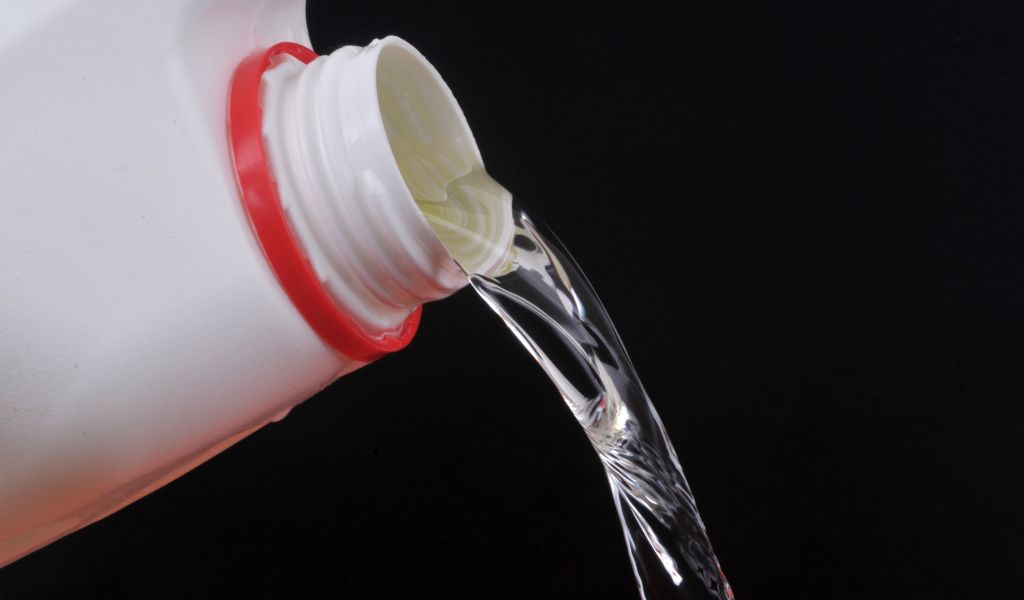
Bleach does not effectively clear blocked drains despite popular misconceptions about its cleaning power. While bleach (sodium hypochlorite) kills bacteria and provides temporary odor relief, it cannot dissolve hair clogs, grease buildup, soap scum, or solid debris causing most household drain blockages. The disinfectant properties making bleach effective for surface cleaning prove useless against physical obstructions requiring mechanical removal or professional clearing.
Brisbane homeowners frequently turn to bleach for drainage problems hoping harsh chemicals provide quick solutions avoiding plumber costs. Understanding why bleach fails clearing blockages while potentially damaging pipes helps property owners select effective methods addressing drainage issues properly. Professional blocked drain services provide permanent solutions when household remedies prove inadequate.
Key Takeaways
✅ Bleach cannot clear blocked drains despite powerful disinfecting properties because it doesn’t dissolve hair clogs, grease deposits, soap scum, or solid debris requiring mechanical removal rather than chemical treatment for effective clearing.
✅ Using bleach for drain blockages creates risks including toxic fume production when mixed with other cleaners plus pipe corrosion in older systems and environmental damage to Brisbane’s waterways and septic tank bacteria essential for waste processing.
✅ Mechanical methods including plungers, drain snakes, and U-bend removal provide 60-95% success rates compared to bleach’s 10-15% effectiveness for odor control only, making physical clearing approaches vastly superior for actual blockage resolution.
✅ Brisbane homeowners should abandon ineffective bleach attempts in favor of proven clearing methods or professional hydro-jetting and CCTV inspection when DIY approaches fail, preventing problem escalation and avoiding wasted time on chemical treatments that cannot work.
How Bleach Actually Works in Drainage Systems
Understanding bleach’s chemical properties and limitations explains why this common household product fails clearing drain blockages despite powerful disinfecting capabilities.
Bleach Chemical Composition and Action
Household bleach contains sodium hypochlorite (typically 5-8% concentration) dissolved in water creating alkaline solution effective against bacteria, viruses, and some organic materials. This chemical compound breaks molecular bonds in microorganisms and soft organic matter through oxidation processes.
When poured down drains, bleach contacts bacteria growing on pipe surfaces and organic residues creating unpleasant odors. The oxidizing action kills these microorganisms and breaks down some soft organic films coating pipes, temporarily improving drain smells and providing impression of cleaning effectiveness.
However, bleach’s oxidizing power proves insufficient for dissolving or breaking apart substantial physical blockages. The chemical concentration and contact time required for dissolving hair, grease, or soap scum far exceeds what household bleach applications provide in drainage pipes.
What Bleach Can Actually Accomplish
Bleach provides legitimate benefits for drain maintenance though these don’t include actual blockage clearing:
- Kills odor-causing bacteria temporarily reducing unpleasant smells from drains
- Disinfects drain surfaces eliminating harmful microorganisms
- Breaks down minor biofilm coating pipe interiors
- Provides temporary freshness masking underlying problems
- Whitens stained fixtures around drain openings
These benefits prove useful for routine cleaning and odor control but don’t address physical obstructions restricting water flow. Brisbane homeowners experiencing actual blockages require mechanical clearing rather than chemical disinfection.
What Bleach Cannot Do for Blockages
Despite powerful oxidizing properties, bleach fails against common blockage materials requiring different treatment approaches:
Hair accumulations forming dense mats resist bleach treatment completely. Hair strands consist of keratin proteins that bleach cannot effectively break down at household concentrations and contact times. Bathroom drain hair clogs remain intact after bleach treatment, continuing to block drainage.
Grease and fat deposits solidified in pipes don’t dissolve in bleach solutions. These hydrophobic materials repel water-based bleach preventing effective contact and chemical reaction. Kitchen drain grease blockages require thermal or mechanical treatment rather than chemical oxidation.
Soap scum buildup created from soap reacting with hard water minerals forms calcium and magnesium compounds bleach cannot dissolve. These deposits require acidic cleaners or mechanical scraping for removal rather than alkaline bleach treatment.
Solid debris including food particles, wet wipes, sanitary products, and foreign objects obviously don’t dissolve in bleach regardless of concentration or exposure time. Physical obstructions require physical removal through plunging, snaking, or manual extraction.
Why Brisbane Homeowners Try Bleach for Blocked Drains
Several factors contribute to bleach’s popularity as attempted drain clearing solution despite limited effectiveness.
Household Availability and Low Cost
Most Brisbane homes already stock bleach for laundry, bathroom cleaning, and disinfection purposes. This ready availability makes bleach attractive first attempt for drain problems, requiring no additional purchases or trips to hardware stores.
Bleach bottles cost $2-5 at supermarkets and last for multiple applications, creating perception of economical solution compared to commercial drain cleaners ($8-20) or professional services ($180-400). This cost difference encourages attempting bleach before considering more effective but expensive alternatives.
Misconceptions About Chemical Strength
Bleach’s reputation as powerful cleaning agent leads many assuming it provides equally powerful drain clearing capabilities. The harsh chemical smell, ability to damage clothing and surfaces, and warning labels suggesting dangerous product create impression of effectiveness against all cleaning challenges.
Marketing emphasizing bleach’s disinfecting and cleaning power reinforces beliefs it can tackle any household problem including drain blockages. Homeowners unfamiliar with different cleaning mechanisms assume products killing bacteria must also dissolve physical blockages.
Temporary Odor Improvement Misinterpreted as Success
Pouring bleach down drains immediately improves smells by killing odor-producing bacteria. This noticeable olfactory improvement creates false impression of blockage clearing, with homeowners mistaking odor reduction for actual clog removal.
Slow drains with minor restrictions may drain slightly better after bleach treatment through coincidence or temporary displacement of loose debris rather than actual bleach effectiveness. These marginal improvements reinforce incorrect beliefs about bleach’s drain clearing capabilities.
Online Misinformation and Anecdotal Advice
Internet searches for blocked drain solutions return numerous results suggesting bleach despite limited effectiveness. Websites recycling unverified DIY advice perpetuate myths about bleach clearing drains, with homeowners unable to distinguish credible plumbing information from popular misconceptions.
Anecdotal reports of bleach “working” typically involve situations where blockages were minimal or cleared through other factors, with bleach receiving undeserved credit. These misleading success stories spread through social media and online forums encouraging continued ineffective attempts.
When Bleach Might Provide Marginal Assistance
While bleach cannot clear actual blockages, specific limited scenarios allow minimal beneficial effects beyond simple disinfection.
Light Organic Buildup in Slow Drains
Drains experiencing slight slowness from thin biofilm coating pipes may show marginal improvement from bleach treatment breaking down soft organic layers. This applies only to very early-stage buildup before substantial accumulation creates genuine restrictions.
Biofilm breakdown process:
- Pour one cup household bleach directly into drain
- Allow 30-60 minute contact time
- Flush thoroughly with hot water for several minutes
- Repeat weekly for maintenance if needed
This treatment helps maintain reasonably clear drains but cannot reverse established blockages from months or years of accumulation. Properties implementing this as regular preventive maintenance may experience slightly reduced blockage frequency, though more effective alternatives exist.
Temporary Odor Control Between Proper Cleanings
Brisbane’s warm humid climate promotes bacterial growth in drainage systems creating unpleasant smells even without significant blockages. Bleach provides temporary odor relief killing smell-producing bacteria while homeowners arrange proper cleaning addressing underlying causes.
This temporary measure proves acceptable for short-term use but shouldn’t replace addressing actual drainage problems creating odor conditions. Understanding how to clean smelly drains properly eliminates both odors and their causes rather than masking symptoms.
Post-Blockage Disinfection
After clearing actual blockages through mechanical methods, bleach provides useful disinfection eliminating bacteria that flourished in stagnant water and organic debris. This sanitizing step proves appropriate following professional drain clearing or DIY mechanical removal.
Apply bleach disinfection after blockages clear rather than attempting to use bleach for actual clearing. This proper application sequence provides legitimate benefits without wasting time on ineffective clearing attempts.
Serious Risks of Using Bleach in Drains
Beyond simple ineffectiveness, bleach applications in drainage systems create several potential hazards requiring awareness and caution.
Never mix bleach with other cleaning products as chemical reactions produce dangerous gases causing respiratory damage and potential fatalities. Many Brisbane homeowners attempt multiple drain treatments sequentially, unintentionally creating hazardous chemical combinations.
Dangerous bleach combinations:
- Bleach plus vinegar produces chlorine gas causing respiratory burns
- Bleach plus ammonia creates chloramine gas damaging lungs
- Bleach plus commercial drain cleaners generates toxic fumes and potential explosions
- Bleach plus acidic toilet cleaners produces chlorine gas immediately
Even using these products hours apart in same drains risks dangerous reactions from residual chemicals. If bleach fails clearing drains, thoroughly flush with large water volumes before attempting alternative treatments, or better yet, abandon chemical approaches entirely in favor of mechanical methods.
Pipe Corrosion and Damage
Concentrated bleach accelerates corrosion in older metal drainage pipes common in Brisbane properties built before 1980. Galvanized steel, copper, and brass fittings experience accelerated deterioration from repeated bleach exposure, potentially creating leaks requiring expensive repairs.
Queensland’s humid climate already promotes pipe corrosion faster than drier regions. Adding bleach treatments accelerates this natural deterioration process, shortening plumbing system lifespan while increasing maintenance costs. Properties with aging metal plumbing should avoid bleach applications completely, using gentler alternatives or mechanical clearing methods.
PVC pipes common in modern Brisbane homes resist bleach damage better than metal systems but still experience gradual degradation from concentrated alkaline exposure. Repeated bleach applications may weaken plastic pipes over years, though immediate damage risk remains low for occasional use.
Environmental and Septic System Impact
Bleach entering Brisbane’s waterways through sewage treatment plants or directly from septic systems damages aquatic ecosystems by killing beneficial microorganisms essential for water quality maintenance. While treatment plants handle small household bleach quantities, concentrated drain applications contribute unnecessarily to environmental loading.
Properties using septic tanks for wastewater treatment must avoid bleach entirely as it kills beneficial bacteria necessary for waste breakdown. Septic systems rely on bacterial digestion of organic materials, with bleach disrupting this biological process and potentially causing system failures requiring expensive pumping and repairs.
Brisbane’s peri-urban and rural properties in areas including The Gap, Samford, Mount Nebo, and Closeburn commonly use septic systems requiring careful chemical management. These homeowners should never pour bleach down drains, instead using mechanical clearing methods and septic-safe maintenance products.
False Security Delaying Proper Treatment
Perhaps bleach’s greatest risk involves time wasted on ineffective treatment while actual blockages worsen. Brisbane homeowners spending days attempting bleach solutions experience expanding problems potentially causing water damage, sewage backup, or complete drainage system failures requiring emergency professional intervention.
Blockages continuing to develop during futile bleach attempts often progress from manageable DIY clearing to complex professional situations costing hundreds more than early intervention would have required. The financial savings motivating bleach attempts often backfire through delayed proper treatment allowing problems compounding.
Effective Alternatives to Bleach for Clearing Blocked Drains
Brisbane homeowners benefit from proven clearing methods providing actual blockage removal rather than temporary chemical treatments offering false hope.
Plunger for Pressure-Based Clearing
Plungers create suction and compression forces mechanically dislodging blockages through direct physical action. This time-tested method succeeds where bleach fails by applying actual force breaking apart and moving obstructions.
Proper plunging technique:
- Select appropriate plunger type (cup for sinks, flange for toilets)
- Fill blocked fixture with water covering plunger cup completely
- Block overflow holes with wet cloth preventing pressure escape
- Position plunger creating tight seal over drain opening
- Push downward firmly then pull sharply upward without breaking seal
- Repeat vigorously 15-20 times maintaining rhythm
- Test drainage and repeat process if blockage persists
Success rates reach 60-70% for common household blockages when proper technique applied with appropriate effort. This mechanical approach proves infinitely more effective than any chemical treatment including bleach for actual obstruction removal.
Drain Snake for Mechanical Debris Removal
Drain snakes (augers) physically reach into drainage pipes removing or breaking apart blockages through direct mechanical action impossible for chemical treatments. Hand-crank models available at Brisbane hardware stores like Bunnings cost $15-40, providing effective clearing for blockages within 3-5 meters of drain openings.
Insert snake cable into drain opening, advancing slowly while rotating handle. When resistance indicates blockage contact, continue rotating while pushing and pulling to break apart or hook debris. Withdraw snake periodically clearing collected material from cable before reinserting to continue clearing process.
Professional motorized snakes reach deeper blockages but require licensed plumber operation with specialized equipment. These powerful machines clear stubborn obstructions that hand-crank models and all chemical treatments cannot address.
Baking Soda and Vinegar Natural Alternative
While not as effective as mechanical methods, baking soda and vinegar combination provides safer alternative to bleach for minor organic buildup without toxic fume risks or pipe damage concerns.
Application process:
- Pour half cup baking soda directly into drain
- Follow immediately with one cup white vinegar
- Cover drain with plug trapping fizzing reaction
- Wait 30-60 minutes allowing chemical reaction
- Flush thoroughly with very hot water
- Repeat if slight improvement noticed
This treatment works through mild acid-base reaction creating carbon dioxide bubbles potentially dislodging loose debris. Effectiveness remains limited to very minor buildup, but safety profile proves far superior to bleach while avoiding environmental and septic concerns.
U-Bend Removal and Manual Cleaning
Kitchen and bathroom sinks feature accessible U-bend (P-trap) sections where most blockages accumulate. Removing these curved pipes allows direct access to trapped debris for complete clearing providing nearly 100% success for sink blockages.
Detailed removal process:
- Place large bucket under U-bend catching water and debris
- Loosen slip nuts by hand or using adjustable wrench
- Remove U-bend section carefully preserving washers
- Empty trapped contents into bucket for disposal
- Clean U-bend thoroughly using bottle brush and detergent
- Inspect washers replacing if cracked or deteriorated
- Reattach U-bend ensuring proper alignment and seal
- Hand-tighten slip nuts then add quarter turn with wrench
- Test with water checking for leaks and proper drainage
This straightforward procedure requires only basic tools and 20-30 minutes, providing definitive clearing for sink blockages while revealing blockage composition helping prevent recurrence. Most Brisbane homeowners can complete this task successfully, making it superior choice compared to ineffective bleach attempts.
Professional Hydro-Jetting and CCTV Inspection
Serious blockages, recurring problems, or suspected tree root intrusion require professional services using specialized equipment impossible for DIY attempts. High-pressure water jetting clears pipes completely while CCTV cameras inspect pipe interiors identifying underlying problems.
Professional services cost $250-600 depending on blockage severity and access complexity but provide permanent solutions rather than temporary fixes. Understanding what causes blocked drains helps recognize when professional intervention becomes necessary versus continuing futile DIY attempts.
Bleach vs Other Drain Clearing Methods Comparison
| Method | Effectiveness | Best For | Safety | Environmental Impact | Typical Cost | Time Required |
|---|---|---|---|---|---|---|
| Bleach | Very Low (10-15%) | Odor control only | Moderate risk (fumes, corrosion) | Harmful to aquatic life, septic systems | $2-5 | 60+ min (ineffective) |
| Hot water | Low-Moderate (30-40%) | Fresh grease buildup | Safe | Minimal | Free | 15-30 min |
| Baking soda + vinegar | Low (20-30%) | Light organic buildup | Very safe | Environmentally friendly | $5-10 | 60-90 min |
| Plunger | Moderate-High (60-70%) | General clogs | Very safe | None | $15-30 | 10-20 min |
| Drain snake | High (75-85%) | Hair, solid debris | Safe with care | None | $15-40 | 20-40 min |
| U-bend removal | Very High (90-95%) | Sink blockages | Moderate (water exposure) | None | $10-20 | 30-45 min |
| Chemical drain cleaner | Moderate (40-60%) | Organic buildup | Low (corrosive, toxic) | Very harmful | $8-20 | 30-60 min |
| Professional hydro-jetting | Very High (95-100%) | All blockage types | Professional only | Minimal with proper disposal | $250-600 | 1-2 hours |
This comparison reveals bleach ranking among least effective methods while presenting moderate safety risks and environmental concerns, making it poor choice for any drain clearing application.
When to Abandon DIY Attempts and Call Professionals
Certain drainage situations exceed DIY capabilities regardless of methods attempted, requiring professional assessment with specialized equipment.
Multiple Fixtures Backing Up Simultaneously
Several drains experiencing problems together indicates main sewer line blockages rather than individual fixture issues. Kitchen sinks, bathrooms, and toilets draining slowly simultaneously requires professional intervention impossible through household methods including bleach, plunging, or snaking.
Main line blockages typically result from tree root intrusion, pipe deterioration, or deep-line grease accumulation unreachable with DIY tools. Attempting household clearing methods wastes time while problems potentially worsen causing sewage backup into living spaces creating health hazards and property damage.
Recurring Blockages in Same Locations
Blockages returning repeatedly after clearing indicate underlying structural problems beyond surface debris accumulation. Tree roots infiltrating pipes, deteriorated pipe sections with rough interiors, or misaligned joints create conditions where blockages continually reform despite temporary clearing.
Professional CCTV drain inspection identifies these root causes enabling permanent solutions through pipe relining, root cutting, or targeted repairs. Continuing ineffective DIY clearing including bleach attempts delays necessary repairs while problems compound requiring more expensive eventual intervention.
Foul Sewage Odors or Gurgling Sounds
Persistent sewage smells or unusual gurgling noises from drains suggest serious drainage system problems requiring professional diagnosis. These symptoms indicate main line restrictions, ventilation failures, or damaged pipes creating conditions dangerous for DIY intervention.
Professional plumbers use specialized diagnostic equipment identifying problems accurately without trial-and-error approaches wasting time and potentially worsening situations. Early professional involvement prevents minor issues escalating into major repairs costing thousands rather than hundreds of dollars.
Standing Water or Outdoor Drain Flooding
External drains overflowing during rain or standing water around properties indicates stormwater system blockages or failures requiring professional assessment. These problems often involve tree roots, collapsed pipes, or design inadequacies exceeding DIY capabilities.
Brisbane’s wet season rainfall events overwhelm drainage systems with existing restrictions, making professional clearing essential before next storm season. Delaying professional treatment risks property flooding causing extensive damage far exceeding service costs. Understanding when DIY plumbing versus professional services makes sense helps avoid costly mistakes.
Professional Blocked Drain Clearing in Brisbane
Stop wasting time and money on ineffective bleach treatments that cannot clear actual drain blockages. AC Plumbing’s licensed technicians use proven mechanical clearing methods and professional-grade equipment providing permanent solutions rather than temporary chemical fixes that damage pipes and delay proper repairs.
Our experienced Brisbane team handles all drainage problems from simple hair clogs to complex main sewer line blockages using hydro-jetting and CCTV inspection technology identifying and eliminating root causes. Don’t risk toxic fume exposure, pipe corrosion, or problem escalation through continued ineffective bleach attempts.
Contact AC Plumbing today for expert drain clearing throughout Brisbane. Our qualified plumbers service properties in Paddington, New Farm, The Gap, Ashgrove, Red Hill, and all surrounding suburbs with prompt professional solutions. Call our team to schedule comprehensive drain assessment and clearing using methods that actually work, not household chemicals that waste your time.
Frequently Asked Questions
Does bleach dissolve hair in drains?
No, bleach cannot effectively dissolve hair causing bathroom drain blockages. Hair consists of keratin proteins resistant to bleach oxidation at household concentrations and typical contact times. Hair clogs require mechanical removal using drain snakes, zip tools, or U-bend cleaning rather than chemical treatments regardless of bleach concentration or exposure duration.
Can I mix bleach with other drain cleaners?
Never mix bleach with any other cleaning products as chemical reactions produce toxic gases including chlorine gas and chloramine causing severe respiratory damage or death. This includes vinegar, ammonia, commercial drain cleaners, and acidic toilet cleaners. If bleach fails clearing drains, thoroughly flush with water before attempting alternative treatments or use mechanical methods entirely.
Will bleach damage my PVC pipes?
Bleach causes minimal immediate damage to modern PVC drainage pipes but repeated concentrated applications may cause gradual deterioration over years. Older metal pipes including galvanized steel, copper, and brass experience accelerated corrosion from bleach exposure, particularly in Brisbane’s humid climate promoting natural pipe deterioration. Mechanical clearing methods prove safer for all pipe types.
How long should I leave bleach in drains?
If using bleach for disinfection and odor control (not blockage clearing), allow 30-60 minute contact time before flushing thoroughly with large water volumes. However, extended bleach exposure provides no additional blockage-clearing benefits since bleach fundamentally cannot dissolve physical obstructions. Focus contact time provides adequate disinfection without excessive pipe exposure or environmental impact.
Is bleach better than commercial drain cleaners?
No, bleach proves less effective than commercial chemical drain cleaners for blockage clearing while presenting similar safety and environmental risks. Chemical drain cleaners contain stronger acids or bases specifically formulated for dissolving organic blockages, though mechanical methods still outperform all chemical approaches. Both bleach and commercial chemicals damage pipes, harm environments, and fail against many common blockage types.
What should I use instead of bleach for blocked drains?
Use mechanical clearing methods including plungers for general clogs, drain snakes for hair and debris, or U-bend removal for sink blockages. These approaches provide 60-95% success rates compared to bleach’s 10-15% effectiveness. For preventive maintenance, weekly hot water flushing or monthly enzyme treatments prove safer and more effective than bleach while avoiding pipe damage and environmental concerns.


