
How Long Do Water Heaters Last? Hot Water System Replacement Guide
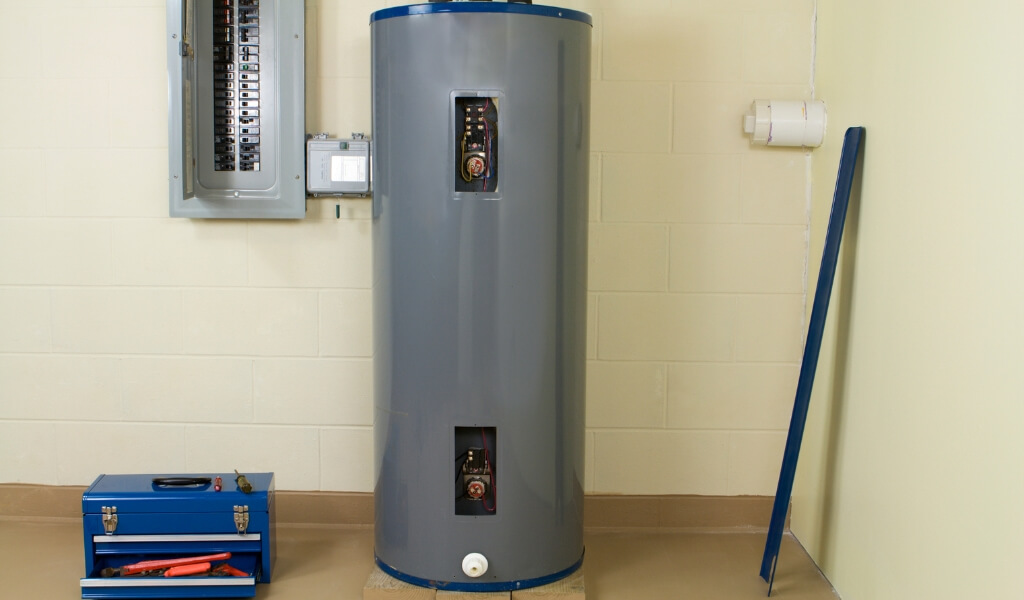
Wondering how long your water heater will last? Typically, a well-maintained hot water system lasts about 8 to 12 years. However, factors like usage, maintenance, and water quality can influence its lifespan. An old water heater might need more frequent repairs, especially if it’s a 10 to 15-year-old water heater. Understanding the expected lifespan of your hot water system can help you plan for replacements and avoid unexpected breakdowns.
Read on to learn more about extending the life of your water heater and signs it may need to be replaced.
Why You Should Know the Lifespan of Your Hot Water Systems
Before we go through the specifics, understanding the lifespan of your hot water system is crucial. Knowing the life expectancy of your water heater needs can help you plan for replacements and avoid unexpected failures.
The lifespan of your hot water, including the water system’s lifespan, varies depending on usage and maintenance. Reliable hot water is essential, and discovering the lifespan of hot water systems ensures your system will last.
By understanding the lifespan of your system, you can make informed decisions and maintain your hot water supply efficiently.
Factors that Influence the Lifespan of Water Heaters
There’s a lot more to the longevity of water heaters than meets the eye. Several factors play a significant role in determining how long your system will last.
Quality of the Water Heater
The quality of the water heater significantly impacts its lifespan. High-quality hot water system brands are designed to withstand issues like corrosion and hard water. A well-built water heater system will include durable components, such as a pressure relief valve and a sturdy heater inlet, to ensure longevity. Investing in a quality water heater for your home can reduce the frequency of replacements and ensure reliable performance over the years.
Maintenance and Care
Regular maintenance and care are essential to prolonging the life of your water heater. Routine checks can help identify and address minor issues before they escalate. Corrosion and sediment buildup from heating water can cause significant damage if left untreated. Ensuring the system needs are met, including flushing the tank and inspecting the pressure relief valve, helps in maintaining efficiency. Regularly maintaining your water heater system ensures that it continues to operate efficiently and extends its lifespan.
Usage Frequency
How often you use your water heater affects its lifespan. High water usage can accelerate wear and tear, leading to earlier replacements. The water heater replaced more frequently in households with high demand will show signs of aging sooner. Balancing water usage and providing your water heater with breaks can mitigate some of the strain. Monitoring your water system for your home can help manage the load and prevent premature failure, thus extending the heater’s operational life.
Water Quality
The quality of water entering your heater has a direct impact on its longevity. Hard water, for example, contains minerals that can build up and cause corrosion inside the tank. Water from well water sources may have different impurities that affect the system. These impurities can lead to issues with your water heater, reducing its effectiveness over time. Addressing water quality issues, such as using water softeners, can help mitigate these effects and extend the life of your water heater.
Installation
Proper installation is crucial for the optimal performance and longevity of your water heater. An incorrectly installed heater can lead to several problems, such as improper heating and pressure imbalances. Ensuring that the heater inlet and other components are correctly fitted reduces the likelihood of malfunctions. Professional installation by experienced technicians helps ensure that all parts are in place and that the system operates efficiently. This attention to detail during installation can prevent future issues and extend the life of your water heater.
Average Lifespan of Different Types of Water Heaters
Since there are different types of water heaters available, understanding their average lifespan can help you make an informed decision when choosing a new system.
Traditional Tank Water Heaters
Traditional tank water heaters, including both electric water heaters and gas water heaters, typically last between 8 to 12 years. These systems use a water tank to store and heat water.
An electric hot water heater relies on heating elements, while a gas hot water system uses a burner. The lifespan of a water heater tank depends on factors such as usage, maintenance, and water quality. Older water heaters might need more frequent repairs, while new water heaters often come with improved efficiency and durability.
Tankless Water Heaters
Tankless water heaters, which include heat pump hot water systems and solar hot water systems, generally have a longer lifespan of 15 to 20 years. These systems heat water on demand, eliminating the need for a storage tank. Different types of hot water systems in the tankless category offer various benefits.
For example, an electric hot water system can be more energy-efficient for smaller households, while a gas water heater can provide a higher flow rate. Understanding the specific requirements and advantages of each type can help you select the best option for your needs.
Tips for Extending the Lifespan of Your Water Heater
There’s no telling when your new hot water system will experience issues, but following these tips can help extend its lifespan as long as possible.
Regular Maintenance
Regular water heater maintenance is crucial for ensuring your system runs efficiently and lasts as long as possible. This includes inspecting all components, checking the pressure relief valve, and looking for any signs of wear. By scheduling routine maintenance, you can catch small issues before they become major problems, keeping your system in optimal condition.
Checking for Leaks and Rust
Leaks and rust are common problems that can significantly reduce the lifespan of your water heater. Regularly checking for leaks and signs of rust can help prevent serious damage. If you notice any leaks or rust spots, address them immediately to keep your system running smoothly. Early detection and repair are key to preventing larger issues down the line.
Flushing the Tank
Flushing the tank is an essential part of water heater maintenance. Sediment and mineral buildup can reduce efficiency and lead to corrosion. To prevent this, drain the water heater at least once a year to remove any accumulated sediment. This simple task can help maintain efficiency and extend the life of your water heater.
Monitoring the Water Temperature
Monitoring and adjusting the water temperature can help extend the lifespan of your water heater. Keeping the temperature at a moderate level reduces strain on the system and prevents overheating. Excessive heat can cause damage to the heating elements and the tank itself. By maintaining a balanced temperature, you keep your system in good working condition.
Consulting a Professional
Sometimes, professional intervention is necessary to ensure your water heater remains in good shape. Consulting a professional for annual inspections and any significant repairs can keep your system as well-maintained as possible. Professionals can identify potential issues that you might overlook, providing you with peace of mind and a longer-lasting water heater.
Signs That Indicate Your Water Heater May Need To Be Replaced
To give you a clearer picture, here are some signs that indicate it’s time to replace your water heater:
- Age of the Unit: If your hot water unit is over 10-15 years old, it may be nearing the end of its lifespan. Old age is a common reason why a water heater needs to be replaced, as older units are more prone to issues and inefficiencies.
- Water Leaks: Leaking water is a clear indication that your water heater could be failing. If you notice water pooling around the base of the unit, it’s time to replace your water heater. Persistent water leaks can cause significant damage to your home and should not be ignored.
- Rusty Water: If rusty water is coming from your water heater, it’s a sign of corrosion inside the tank. When this happens, it usually means that the heater needs to be replaced, as the rust will continue to spread and weaken the tank.
- Strange Noises: Hearing strange noises, such as banging or rumbling, coming from your water heater can indicate sediment buildup. While flushing the tank can sometimes resolve this, it often signals that it’s time to replace your hot water system.
- Inconsistent Heating: If your water heater is struggling to provide consistent hot water, it may be on its last legs. Whether it’s failing to heat water adequately or taking too long, this inconsistency means you might need to replace your hot water system.
- Frequent Repairs: Needing frequent repairs is a strong indication that your water heater is no longer reliable. If you find yourself constantly calling a plumber, it’s time to replace your water heater with a new, more efficient model.
- Visible Corrosion: Visible signs of corrosion on the tank or connections mean the water heater needs to be replaced. Corrosion can lead to leaks and further damage, making it essential to address this issue promptly.
- Inefficiency and High Energy Bills: An old, inefficient water heater will often lead to higher energy bills. If you notice a significant increase in your energy costs, it might be time to replace your water heater with a more energy-efficient model.
- Insufficient Hot Water: If your heater is no longer able to meet your household’s hot water demands, you likely need a new unit. This could be due to the heater’s old age or because it was not adequately sized for your needs.
- Discolored or Smelly Water: If the water coming from your water heater is discolored or has a foul smell, it could be a sign that the unit is contaminated and needs to be replaced. This is particularly important for ensuring the health and safety of your household.
- Manufacturer’s Recommendations: Sometimes, it’s best to follow the manufacturer’s guidelines for when to replace your water heater. If they recommend replacement after a certain period or under specific conditions, it’s wise to heed their advice.
Recognizing these signs can help you avoid sudden failures and plan for a timely replacement, ensuring a consistent and reliable hot water supply for your home.
Benefits of Upgrading to a More Energy-Efficient Model
Aside from reducing your energy bills, upgrading to a more energy-efficient model offers several advantages:
- Improved Efficiency: A new hot water system is designed with the latest technology, ensuring better efficiency and performance. This means less energy is wasted during the heating process.
- Cost Savings: Although the initial investment in a new system might be higher, the long-term savings on energy bills can be significant. An efficient heating system uses less power, reducing your monthly expenses.
- Consistent Hot Water Supply: A new heater provides a more reliable and consistent supply of hot water. This is particularly important if you have a large household with high water heating demands.
- Environmental Benefits: Upgrading to the right hot water system can reduce your carbon footprint. Energy-efficient models use less fuel and produce fewer emissions, making them an eco-friendly choice.
- Advanced Features: Modern hot water tanks and systems come with advanced features such as better insulation, smart controls, and faster heating times. These features enhance convenience and comfort.
- Increased Home Value: A new, energy-efficient water heating system can increase the value of your home. Potential buyers are often looking for homes with modern, efficient appliances.
- Fewer Repairs: With a new system, you’ll experience fewer breakdowns and need fewer repairs, saving you money and hassle over time.
- Informed Decision: Making an informed choice about your heater replacement ensures you select the best model for your needs, optimizing performance and efficiency.
Upgrading your water heating system is a smart investment that pays off in multiple ways.
Closing Thoughts
A new water heater can ensure your system lasts and provides reliable hot water for years to come. Whether you need a gas system, electric water heater, or improved fittings and valves, timely maintenance and proper installation are crucial. Over time, a year-old water heater may show signs of wear, but with the right care, it can last as long as possible.
From hot water installation to managing water pipes and water supply, addressing issues promptly is key. When your water heater was installed correctly, it ensures day-to-day hot water efficiency. For expert service in Brisbane, contact AC Plumbing today!


