
How to Handle a Burst Pipe Emergency
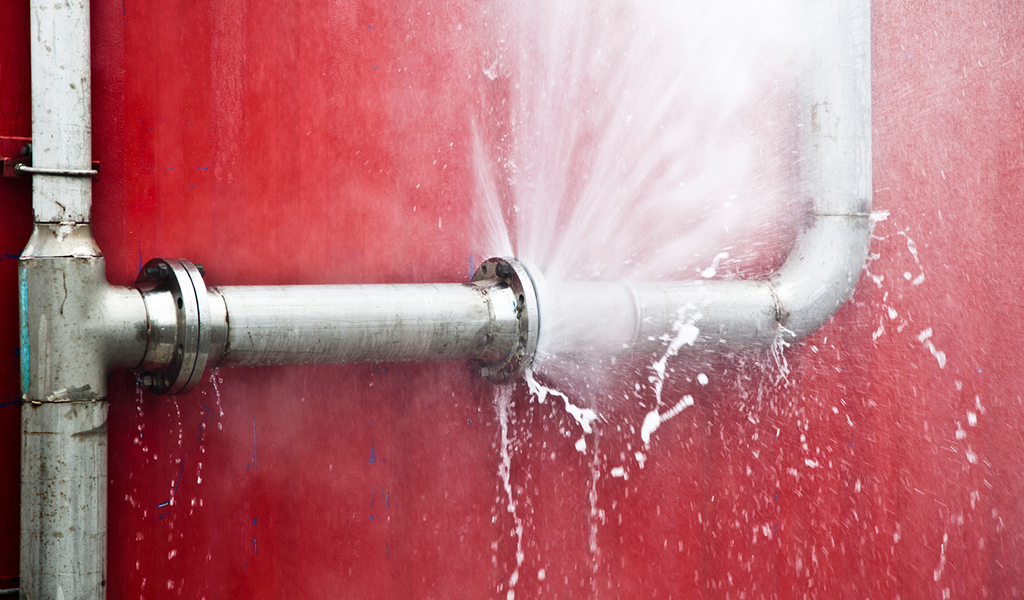
Home pipe bursts can result in significant damage and stress. Your property may be quickly swamped by water, resulting in expensive repairs and possible safety risks. Knowing what to do in the event of a burst pipe will help you act immediately and limit the damage. In this post, we’ll walk you through what to do in the event of a burst pipe in your home, including advice on how to avoid one in the first place. You can be ready for any emergency plumbing and prevent water damage to your property by taking the actions outlined here.
Preventing a Burst Pipe
Preventing a burst pipe is always better than dealing with the aftermath of a plumbing emergency. You can take a number of precautions to lessen the possibility of a burst pipe in your house, including measures for burst water pipe repair. The first step in keeping your pipes warm during the winter is to properly insulate them. To stop your pipes from freezing and maybe breaking, you can wrap them in foam sleeves or heat tape. To allow warm air to travel around the pipes, you can also leave cabinet doors open. To stop cold air from entering your home and harming your pipes, you should also seal any gaps or breaches in your walls or foundation.
A burst pipe can also be avoided with routine plumbing system maintenance and inspection, including proactive measures like burst water pipe repair. Any possible problems can be found and resolved by a qualified plumber before they worsen. A minimum yearly inspection of your plumbing system is advised, particularly before the winter when pipes are more susceptible to freezing. Finally, to avoid clogging or harming your pipes, be careful what you throw down your toilets and drains. Don’t flush anything other than toilet paper and human waste down the toilet, and avoid pouring grease or oil down the drain. You may lessen the possibility of a burst pipe and guard your property against water damage by following these preventative measures.
Signs of a Burst Pipe
A burst pipe can cause extensive damage to your property and can be a significant inconvenience. Recognizing the early warning symptoms of a burst pipe is one approach to reducing the severity of the damage. The following are some typical indications of a burst pipe that you need to be aware of:
Low water pressure
A burst pipe may be the cause of a rapid decline in water pressure. If a pipe bursts and water is flowing out, the pressure of the water in your house may decrease.
Unusual noises
Odd noises originating from your plumbing system are another indication that a pipe has burst. You might hear hammering, whistling, or gurgling sounds. These noises may be a sign that air has become trapped in your pipes as a result of a leak brought on by a busted pipe.
Discolored water
If you open a faucet and observe that the water is discolored, this may be a sign of a burst pipe. Due to the presence of rust or pipe debris, the water may appear brown or yellow.
Wet areas
Wet spots or puddles of water on your floor, ceiling, or walls are obvious signs of a burst pipe. These patches might appear anywhere along the path of the broken pipe, so finding the leak’s origin is crucial if you want to stop more damage.
Unpleasant odors
Because of the stagnant water that builds up in your pipes after a burst pipe, unpleasant aromas may result. It’s critical to have your plumbing system inspected by a qualified plumber if you notice any odd smells emanating from it.
Handling a Burst Pipe
One of the most frequent plumbing issues that homeowners might experience is a burst pipe. If not handled right away, it might occur without warning and seriously harm your property. If not fixed right once, burst pipes can cause flooding, water damage, and even mold growth. Here are some actions you can do in the event of a burst pipe.
Turn off the water supply
Turning off your home’s main water supply should be your first action after finding a burst pipe. This will lessen the possibility of electrical risks and aid to stop additional water damage. Find and close the main water shut-off valve, which is typically located close to the water meter.
Switch off the electricity
You must shut off the electricity if the burst pipe has caused flooding or water damage in your property. To prevent any electrical risks and lower the chance of electrocution, this is essential. Find the circuit breaker box, then turn off the power to your house there.
Request a plumber
Once the electricity and water are turned off, it is time to hire a qualified and experienced plumber. The problem can be evaluated by a plumber, who can then decide the best line of action for repairing the burst pipe. To stop more harm to your home, it is crucial to hire a plumber right away.
Gather the Water
Any water that has leaked from the broken pipe should be collected using towels, buckets, or other containers. This will lessen the amount of water damage to your home. You might need to use a wet/dry vacuum to get rid of a substantial volume of water.
Open Drains and Taps
Open all of your home’s taps and drains after gathering the water. This will aid in draining the pipes of any remaining water and stop any further damage. Until the plumber arrives to repair the busted pipe, keep the faucets open.
Examine Your Property
Look for any indications of water damage on your property. Walls, floors, and ceilings are included in this. Keep an eye out for any wetness or discoloration that may point to water damage. Take pictures of the affected areas if you see any indications of water damage to show the plumber.
Speak with your insurance provider
You might need to get in touch with your insurance provider if the burst pipe has seriously damaged your home. Water damage brought on by burst pipes is typically covered by a homeowner’s insurance policy. Your insurance provider will walk you through the claims procedure and assist you in getting the required repairs completed.
Conclusion
Dealing with a burst pipe emergency can be tense and difficult. Yet, by taking these actions, you can lessen the harm done to your home and ensure the safety of your family. Don’t forget to shut off the electricity and water, call a plumber, collect the water, open the taps and drains, inspect your home, and, if required, contact your insurance provider. You can tackle a burst pipe emergency and return your home to normal by following these procedures.
Finally, while a burst pipe can be a stressful and potentially expensive event, you can take immediate action to lessen the damage and receive the assistance you require by remaining calm and following the instructions in this article. Don’t forget to identify the burst pipe, shut off the water main, and call a licensed plumber to assess the damage. Take action to safeguard your possessions and stop additional damage while you wait for assistance, such as moving objects away from the affected area and using towels or buckets to catch any water. You may lessen the damage to your property and quickly return to your regular routine by being ready and knowing what to do in case of a burst pipe emergency.


