
How to Unblock a Drain With Hair (Step-by-Step Guide)
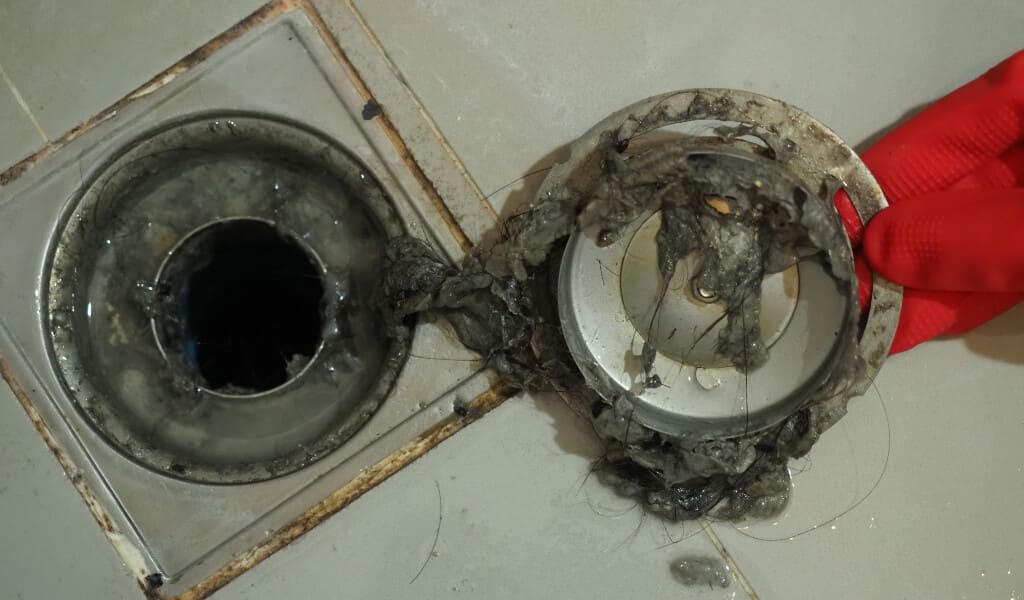
Remove hair clogs by taking off the drain cover, pulling out visible hair with gloved hands, using a drain snake or zip-style tool to extract deeper clumps, plunging to loosen remaining debris, then flushing with hot water. Hair blockages require physical removal rather than chemical dissolution since hair strands bind with soap residue forming dense masses that restrict water flow.
Understanding how to unblock a drain blocked by hair helps Brisbane homeowners address the most common bathroom drainage problem without expensive professional callouts. Hair clogs develop gradually as loose strands catch on drain fittings and pipe surfaces, binding with soap scum and grease to form dense masses restricting water flow. These blockages occur most frequently in bathroom sinks, showers, and bathtubs where daily hair loss accumulates over weeks or months.
Brisbane households experience hair clog challenges year-round as humid subtropical conditions encourage frequent showering and hair washing. Unlike grease blockages responding to chemical treatments, hair clogs typically require physical removal using simple mechanical tools. Learning proper removal techniques, safety precautions, and prevention strategies helps maintain clear drains while avoiding harsh chemicals damaging pipes or creating health hazards in enclosed bathroom spaces.
Key Takeaways
✅ Hair clogs require physical removal using drain snakes, zip tools, and manual extraction rather than chemical dissolution, as keratin protein in hair resists breaking down from most household treatments while binding with soap creating dense masses restricting water flow.
✅ Systematic clearing combines surface hair removal, plunging, mechanical extraction, and hot water flushing ensuring thorough blockage clearing from Brisbane bathroom drains without harsh chemicals damaging pipes or creating health hazards in enclosed spaces.
✅ Daily use of drain strainers and weekly hair removal prevents most bathroom drain blockages through simple protective measures costing minimal time and money while eliminating need for intensive clearing or professional callouts.
✅ Recurring hair clogs despite regular clearing indicate underlying structural problems requiring professional assessment including potential tree root intrusion, pipe deterioration, or configuration issues needing permanent solutions rather than continued temporary fixes.
Why Hair Clogs Form in Brisbane Drains
Hair strands catch on rough pipe surfaces, drain fittings, and stopper mechanisms as water carries them through drainage systems. Individual hairs initially pass through easily, but accumulated strands create tangled masses that trap additional hair, soap scum, and body oils. Over time, these materials harden into compact clumps narrowing pipe diameter and progressively slowing drainage.
The Science Behind Hair Blockages
Human hair consists of keratin protein resistant to water dissolution. Unlike organic materials breaking down in drainage systems, hair maintains structural integrity for months or years. Each person sheds approximately 50-100 hairs daily, with shampooing and brushing accelerating the process. Brisbane’s water quality affects how quickly soap residue binds with hair, though all properties eventually experience accumulation regardless of water hardness.
Soap scum and body oils act as binding agents causing individual hairs to clump together. The combination creates dense masses with texture similar to felt or matted fabric. These clumps anchor themselves at pipe bends, around stopper linkages, and at junction points where pipe diameter changes, resisting water pressure that would normally flush lighter debris through the system.
Most Common Locations
Hair clogs develop predictably in specific drainage fixtures throughout Brisbane homes:
- Bathroom sink drains: Hair from shaving, combing, and general grooming collects around pop-up stoppers and P-traps
- Shower drains: Daily showering deposits substantial hair quantities in flat drain covers and shallow traps
- Bathtub drains: Combined bathing and showering creates heavy hair accumulation around overflow mechanisms
- Utility sinks: Hair enters during cleaning activities, pet grooming, or wig washing
Kitchen drains rarely experience hair clogs unless used for personal grooming or pet bathing. However, kitchen blockages prove more challenging when hair combines with grease requiring combined removal approaches.
Tools and Materials You’ll Need
Gathering proper equipment before starting ensures efficient hair removal without interruptions or inadequate tools forcing incomplete clearing.
Essential Removal Tools
| Tool | Purpose | Best For |
| Rubber gloves | Hand protection from debris and bacteria | All drain types |
| Plunger | Creating suction loosening clumps | Initial loosening |
| Drain snake | Reaching deep blockages | Bathtubs, showers |
| Zip-style hair tool | Extracting hair from shallow drains | Bathroom sinks, shower drains |
| Tweezers | Precise hair removal | Visible surface clogs |
| Wire coat hanger | Improvised hook tool | Emergency situations |
| Bucket | Catching water and debris | Preventing mess |
| Flashlight | Inspecting dark drain openings | All applications |
Optional Cleaning Products
While physical removal proves most effective, these products support thorough cleaning:
- Baking soda for residue removal
- White vinegar creating mild cleaning reaction
- Enzyme drain cleaners for ongoing maintenance
- Hot water for final flushing
- Disinfectant for cleaning tools afterward
Brisbane homeowners benefit from keeping basic drain tools accessible in bathroom storage, enabling prompt action when slow drainage first appears rather than waiting until complete blockages develop.
Step-by-Step: How to Unblock a Drain With Hair
This systematic approach combines manual extraction with mechanical assistance ensuring thorough hair removal and restored drainage flow.
Step 1: Remove Visible Surface Hair
Begin by protecting hands with rubber gloves preventing contact with bacteria-laden debris. Remove drain covers, strainers, or pop-up stoppers exposing the drain opening. Pull out any visible hair accumulated around the stopper mechanism or immediately inside the drain entrance.
This preliminary step often restores partial drainage immediately by removing surface-level obstructions. Use tweezers or gloved fingers extracting hair carefully to avoid pushing material deeper into pipes. Dispose of removed hair in waste bins rather than flushing down toilets where it creates additional blockage risks.
Bathroom sink pop-up stoppers frequently hide substantial hair accumulation on the stopper shaft and linkage mechanism. Unscrew or lift out these assemblies completely for thorough cleaning before proceeding to deeper blockages.
Step 2: Plunge the Drain
Position a standard cup plunger creating complete seal over the drain opening. Cover overflow openings with wet cloths preventing air escape that reduces plunging effectiveness. Execute 10-15 firm plunging strokes creating alternating pressure and suction cycles.
The plunging action loosens hair clumps anchored to pipe walls, breaking apart dense masses into smaller pieces more easily extracted or flushed. Maintain seal consistency throughout plunging preventing air gaps reducing effectiveness. Brisbane’s humid conditions mean drain surfaces stay wet, helping plungers seal effectively without additional water.
After plunging, check whether water drains more freely indicating loosened blockages. If drainage improves but remains slow, proceed with mechanical removal tools addressing remaining hair masses.
Step 3: Insert Drain Snake or Hair Removal Tool
Select appropriate tools matching drain type and blockage depth. Zip-style plastic tools with barbed edges work excellently for shallow bathroom sink and shower drain clogs. Flexible drain snakes or augers reach deeper bathtub and complex pipe blockages.
Insert the tool slowly into the drain opening, advancing while rotating gently to catch hair strands on barbs or coils. When encountering resistance, continue gentle twisting helping the tool engage with hair masses rather than simply pushing against them. Withdraw the tool slowly maintaining rotational movement preventing snagged hair from slipping off during extraction.
Expect substantial hair quantities emerging on first extraction. Repeat the insertion and removal process multiple times until tools return clean or with minimal hair attached. Brisbane plumbers recommend patience during this step as rushing risks pushing blockages deeper into inaccessible pipe sections.
Step 4: Manually Remove Stubborn Clumps
Use tweezers, needle-nose pliers, or bent wire hooks extracting hair clumps loosened by previous steps but remaining near the drain opening. Shine flashlights into drain openings revealing hair caught on pipe threads, rough surfaces, or junction points.
Some hair masses anchor themselves stubbornly requiring multiple extraction attempts from different angles. Work methodically around the drain perimeter ensuring complete removal rather than leaving portions that quickly collect additional hair. This thorough approach prevents rapid blockage recurrence requiring repeated treatment within days or weeks.
For bathroom sinks with pop-up drain assemblies, clean the stopper mechanism thoroughly removing accumulated hair from the shaft, ball joint, and pivot rod. This maintenance prevents future blockages forming at this common trouble spot.
Step 5: Flush With Hot Water
Run hot tap water for 2-3 minutes flushing loosened debris, soap residue, and hair fragments through the drainage system. Hot water helps dissolve soap scum and body oils that bound hair together, preventing reformed clumps in downstream pipe sections.
Avoid forcing boiling water into older PVC pipes where excessive heat might soften joints or damage seals. Brisbane’s warm tap water provides sufficient temperature for effective flushing without risks to plumbing systems. The sustained flow carries debris beyond P-traps and into main drainage lines where larger pipe diameters prevent re-accumulation.
Step 6: Optional Natural Cleaning Rinse
After physical hair removal and hot water flushing, enhance cleaning with baking soda and vinegar treatment:
- Pour 1/2 cup baking soda into the drain opening
- Add 1 cup white vinegar creating fizzing reaction
- Wait 10-15 minutes allowing cleaning action
- Flush thoroughly with hot water
This optional step removes soap residue coating pipe walls, reducing future hair adhesion points. The treatment proves most effective after physical blockage removal rather than as primary clearing method. Brisbane homeowners can incorporate this maintenance monthly preventing gradual buildup requiring intensive intervention.
Natural and Chemical Drain Cleaning Methods
Understanding various cleaning approaches helps Brisbane homeowners select appropriate treatments matching blockage severity and household safety preferences.
Baking Soda and Vinegar
This popular natural method suits residue removal and odor control rather than actual hair dissolution. The fizzing reaction provides minimal mechanical action loosening surface debris but cannot break down keratin protein structures in hair.
Use this treatment after physical hair removal for pipe cleaning and maintenance rather than expecting it to clear active hair blockages. The method offers complete safety for all pipe materials and produces no harmful fumes, making it ideal for Brisbane’s enclosed bathroom spaces.
Enzyme Drain Cleaners
Biological enzyme products contain bacteria cultures gradually digesting organic materials including hair, soap scum, and body oils. These cleaners work slowly over 6-12 hours making them unsuitable for active blockages requiring immediate clearing.
Enzyme cleaners excel at preventive maintenance when used monthly, reducing organic buildup before substantial blockages form. The products remain completely safe for septic systems common in Brisbane’s outer suburbs and produce no harsh chemical odors. However, expect minimal effectiveness on dense existing hair clogs requiring mechanical removal first.
Commercial Chemical Cleaners
Chemical drain cleaners containing sodium hydroxide or sulfuric acid can dissolve hair through aggressive chemical reactions. However, these products present significant safety and plumbing risks:
Health hazards:
- Severe skin and eye burns from splashing
- Toxic fumes in enclosed bathroom spaces
- Dangerous reactions if mixed with other cleaners
Plumbing damage:
- Corroding older metal pipes
- Softening PVC pipe joints
- Degrading rubber seals and washers
Environmental concerns:
- Contaminating Brisbane waterways
- Harming septic system bacteria
- Creating disposal challenges
Use chemical cleaners only as last resort after exhausting mechanical methods. Never combine different chemical products creating dangerous reactions. Brisbane’s warm humid climate intensifies fume problems in poorly ventilated bathrooms, making natural mechanical methods safer for most applications.
Tips for Different Drain Types
Each drain configuration presents unique challenges requiring specific approaches for effective hair removal.
Bathroom Sink Drains
Bathroom sinks typically feature pop-up stopper assemblies where hair wraps around the stopper shaft and pivot rod mechanism. Complete stopper removal provides best access for thorough cleaning:
- Locate the pivot rod nut under the sink
- Unscrew the nut releasing the stopper assembly
- Clean hair from all mechanism components
- Reassemble ensuring proper operation
Zip-style plastic tools work excellently in bathroom sink drains reaching 6-12 inches addressing most common blockage depths. The smaller drain diameter compared to showers means clogs form closer to openings enabling easier access.
Shower and Bathtub Drains
Flat drain covers common in Brisbane showers trap substantial hair quantities before deeper accumulation occurs. Remove covers regularly extracting visible hair preventing progression into pipes. These drains benefit most from preventive maintenance as deeper clogs prove more challenging given drain depth and configuration.
Flexible drain snakes reach the P-trap sections beneath shower floors where dense hair clumps commonly lodge. Bathtub drains often connect to overflow assemblies creating additional hair collection points requiring attention during thorough cleaning.
Kitchen Drains
Kitchen drains rarely experience hair problems unless used for personal grooming or pet bathing. When hair combines with grease in kitchen drains, approach clearing differently:
- Address hair removal first using mechanical tools
- Follow with grease-dissolving treatments like hot water and dish soap
- Avoid harsh chemicals potentially damaging grease-lined pipes
The combination of hair and grease creates particularly stubborn blockages requiring patience and multiple treatment cycles for complete clearing.
Safety Tips When Clearing Hair Clogs
Proper precautions protect health and prevent plumbing damage during hair removal processes.
Personal Protection
Always wear rubber gloves protecting hands from bacteria, drain debris, and potential chemical exposure. Hair clogs accumulate bacteria from soap scum, body oils, and stagnant water creating infection risks without proper protection. Brisbane’s warm humid conditions encourage bacterial growth making hand protection particularly important.
Use protective eyewear when working with chemical cleaners or using tools that might splash contaminated water. Ensure adequate bathroom ventilation opening windows and running exhaust fans during clearing operations.
Chemical Safety
Never mix different chemical drain cleaners creating dangerous reactions releasing toxic gases. Read product labels completely understanding proper application methods and safety precautions. Store chemical cleaners securely away from children and pets in well-ventilated areas.
If using commercial cleaners, wait recommended times before attempting mechanical methods preventing skin contact with active chemicals. Flush pipes thoroughly with water before switching between different treatment approaches.
Plumbing Protection
Avoid repeated boiling water applications on older PVC drainage systems where excessive heat might soften joints or damage seals. Brisbane properties built before 1990 often contain PVC requiring temperature caution during flushing.
Never force tools aggressively into drains risking pipe damage or tool breakage leaving objects lodged in drainage systems. Stop immediately if water backs up rapidly indicating deeper main line blockages beyond household treatment capabilities.
When to Call Professional Plumbers
Recognizing situations requiring expert assistance prevents property damage and wasted DIY efforts. Brisbane homeowners should contact licensed plumbers when facing specific circumstances.
Signs of Serious Problems
Multiple fixtures draining slowly simultaneously indicates main line blockages affecting entire drainage systems. Gurgling sounds from toilets or other drains when using sinks suggests venting problems or shared blockages. Sewage odors persisting despite clearing attempts signal deeper system issues requiring professional diagnosis.
Water backing up into unexpected fixtures demonstrates cross-connections or main line problems beyond household treatment scope. These symptoms warrant immediate professional assessment preventing sewage backup and potential property damage.
Recurring Blockages
Hair clogs returning within days or weeks despite thorough clearing indicate underlying structural problems. Tree root intrusion, collapsed pipes, or significant deterioration cause repeated issues requiring permanent solutions rather than continued temporary fixes.
Professional hydro jetting clears stubborn blockages mechanical tools cannot reach while flushing pipe walls thoroughly. This service proves particularly effective for accumulated hair throughout entire drainage runs rather than isolated clogs.
Complex Drain Configurations
Older Brisbane homes often feature complex drainage configurations with limited access points challenging DIY clearing attempts. Properties with cast iron or galvanized steel pipes benefit from professional assessment before aggressive mechanical intervention potentially damaging deteriorated pipes.
Shower and bathtub drains with difficult access or unusual configurations may require specialized tools and expertise for complete clearing. Professional plumbers possess equipment and experience handling various drain types efficiently.
How to Prevent Hair Clogs in Brisbane Homes
Proactive measures prevent most hair blockages eliminating need for frequent clearing and protecting drainage systems from accumulated damage.
Daily Prevention Habits
Install quality drain strainers or catchers in all bathroom sinks, showers, and bathtubs. These inexpensive devices trap hair before entering pipes, requiring simple weekly cleaning removing collected material. Brisbane hardware stores stock various designs matching different drain styles and aesthetic preferences.
Brush or comb hair before showering removing loose strands that would otherwise wash down drains. This simple habit significantly reduces hair quantities entering drainage systems without requiring ongoing effort or expense.
Remove visible hair from drain strainers immediately after each use preventing accumulation that might overflow guards allowing hair past protection. Make removal part of regular bathroom cleaning routines ensuring consistent prevention.
Weekly Maintenance Tasks
Clean drain covers and strainers weekly removing accumulated hair and soap scum. This regular attention prevents buildup overwhelming protective devices or working past barriers into pipes. The brief weekly investment prevents time-consuming monthly or quarterly deep clearing requirements.
Inspect pop-up drain assemblies in bathroom sinks checking for hair wrapping around stopper mechanisms. Early removal prevents dense accumulation requiring disassembly for thorough cleaning.
Monthly Preventive Treatments
Flush drains with hot water for several minutes monthly, removing light hair strands and soap residue before substantial accumulation forms. This simple maintenance costs nothing while providing effective prevention for Brisbane households.
Apply enzyme drain cleaner monthly following product directions for preventive dosing. The biological treatment gradually digests organic materials including hair, maintaining clear pipes without harsh chemicals or mechanical intervention.
Perform light mechanical cleaning using zip-style tools monthly even without apparent blockages. Preventive extraction removes beginning accumulations before they progress into problematic clogs requiring intensive clearing.
Household Education
Teach family members and housemates about proper drain care including strainer use, hair disposal in bins rather than toilets, and prompt reporting of slow drainage. Shared awareness and cooperation prevent problems through collective effort.
Explain risks of flushing inappropriate materials creating additional blockage points where hair accumulates. Items including cotton swabs, dental floss, and personal care wipes contribute to hair clog severity when combined in drainage systems.
Professional Drain Cleaning Services in Brisbane
Persistent hair blockages or recurring drainage problems require professional expertise beyond household tools. AC Plumbing’s experienced technicians provide comprehensive drain clearing services throughout Brisbane using advanced equipment handling stubborn clogs that DIY methods cannot resolve.
Don’t struggle with repeated blockages. Contact AC Plumbing today for expert drain clearing services. Our Brisbane team services properties throughout Paddington, New Farm, The Gap, and surrounding suburbs with prompt professional solutions. Call our contact team to schedule drain cleaning.
FAQs
Will boiling water clear hair clogs?
No, boiling water cannot dissolve hair clogs as keratin protein resists heat dissolution. Hot water helps loosen soap residue binding hair together but requires mechanical removal tools extracting actual hair masses. Use warm or hot tap water for flushing after physical hair removal avoiding risks to older PVC pipes from excessive heat.
Can chemical drain cleaners remove hair effectively?
Chemical cleaners containing sodium hydroxide can dissolve hair through aggressive reactions but pose significant safety and pipe damage risks. These products cause severe burns, produce toxic fumes, and may corrode older plumbing. Mechanical hair removal proves safer and more effective for most Brisbane households avoiding chemical hazards.
How often should I clean hair from drains?
Remove visible hair from drain strainers weekly preventing accumulation that might bypass protective devices. Perform deeper mechanical cleaning monthly using zip tools or drain snakes even without apparent blockages. This preventive maintenance removes beginning accumulations before they progress into problematic clogs requiring intensive clearing.
Why do hair clogs keep returning?
Recurring hair clogs indicate inadequate initial clearing leaving partial blockages that quickly re-accumulate material, or underlying structural problems including pipe deterioration or inadequate drainage slope. Ensure thorough mechanical extraction during clearing and consider professional assessment if problems persist despite proper treatment and prevention measures.
Are drain strainers really effective?
Yes, quality drain strainers prevent 90-95% of hair from entering pipes when cleaned regularly. These simple devices trap hair before entering drainage systems where clogs form. Empty strainers weekly maintaining effectiveness and preventing overflow allowing hair past protective barriers. The minimal investment and maintenance effort prevents costly blockages and professional callouts.


