
Is Salt Good for Blocked Drains? What Actually Works for Brisbane Homes
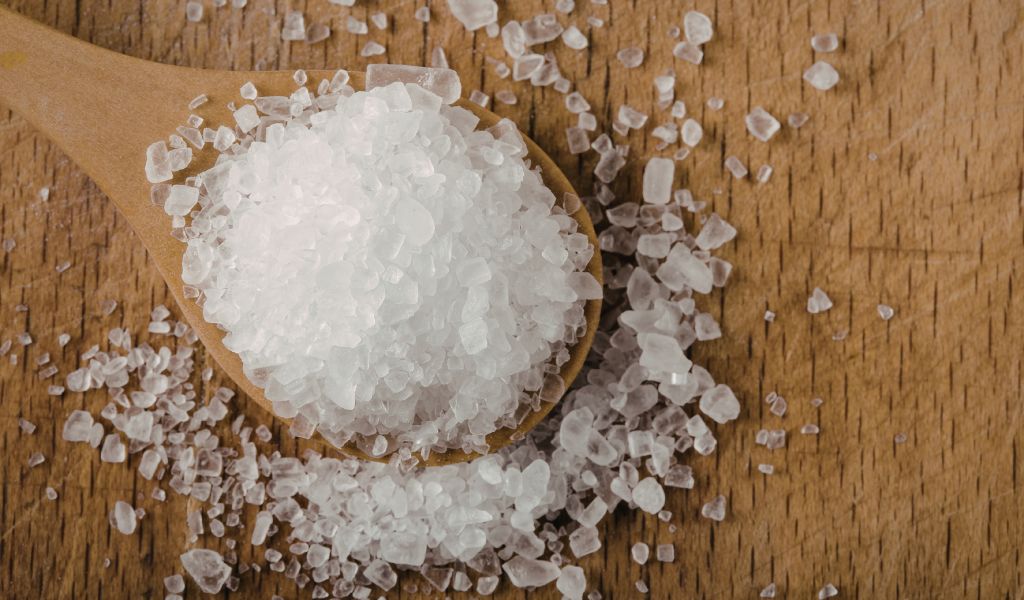
Salt combined with boiling water provides mild assistance for minor grease buildup and drain odors but cannot clear serious blockages caused by hair clogs, soap scum accumulation, or solid debris. While table salt acts as a gentle abrasive helping break down light grease deposits in kitchen sinks, it proves ineffective against stubborn blockages requiring mechanical removal through plunging, drain snakes, or professional hydro-jetting equipment.
Brisbane homeowners searching for natural drain cleaning solutions often encounter salt recommendations online, creating confusion about effectiveness versus popular myths. Understanding when salt helps versus when it wastes time helps property owners select appropriate clearing methods while recognizing situations requiring professional blocked drain services.
Key Takeaways
✅ Salt provides minimal effectiveness for blocked drains, working only for very light grease buildup and odor reduction while proving completely ineffective against hair clogs, soap scum, solid debris, or tree root intrusion requiring mechanical removal or professional clearing.
✅ Combining salt with boiling water offers marginal benefits for recent kitchen grease deposits but cannot clear established blockages, with most effectiveness coming from thermal energy of hot water rather than salt’s limited abrasive or deodorizing properties.
✅ Mechanical methods including plungers, drain snakes, and U-bend removal provide 60-95% success rates compared to salt’s 20-30% effectiveness for minor issues, making proven techniques more efficient uses of time and effort than popular but ineffective salt treatments.
✅ Brisbane homes benefit more from preventive maintenance including weekly hot water flushing, proper grease disposal, and drain covers than attempting salt remedies for blockages, with professional services necessary for recurring problems, multiple fixture backups, or suspected tree root intrusion.
How Salt Works in Drain Cleaning
Salt functions through two primary mechanisms when used for drain maintenance, though neither provides powerful blockage-clearing capability comparable to mechanical or chemical methods.
Mild Abrasive Action
Coarse salt crystals create gentle scouring action when flushed through pipes, potentially dislodging loose debris and light grease deposits coating pipe interiors. This abrasive effect works similarly to sand or other granular materials rubbing against surfaces during water flow.
However, this abrasive quality proves too mild for established blockages. Salt crystals lack the mechanical force necessary to break apart hair mats, dislodge solid food debris, or remove hardened soap scum deposits. The gentle scouring helps with very light surface buildup but cannot penetrate substantial accumulations restricting drainage.
Moisture Absorption from Organic Materials
Salt naturally draws moisture from organic materials through osmotic pressure. When concentrated salt contacts grease, food particles, or other organic debris, it absorbs water content potentially making materials more brittle and easier to flush away.
This dehydration effect works slowly and requires direct contact between salt and blockage materials. In practice, most salt simply washes past blockages without sufficient contact time for meaningful dehydration. The theoretical mechanism sounds promising but rarely translates to practical blockage clearing in real drainage situations.
Limited Effectiveness Against Brisbane’s Common Blockages
Queensland’s subtropical climate and Brisbane’s water chemistry create specific blockage types where salt proves particularly ineffective. Hard water mineral deposits don’t respond to salt treatment, while tree root intrusions common in Brisbane’s older suburbs completely ignore salt presence.
Kitchen grease solidifies quickly in Brisbane’s warm pipes before reaching cooler underground portions where salt might help. By the time grease creates noticeable blockages, it exists as hardened deposits that salt cannot meaningfully affect without combining with other treatments.
When Salt Might Help Minor Drain Issues
Despite limited effectiveness against serious blockages, salt provides marginal benefits in specific maintenance scenarios where gentle cleaning suffices.
Light Grease Buildup in Kitchen Sinks
Kitchen sinks experiencing slight drainage slowing from recent cooking may benefit from salt and boiling water treatment before grease solidifies completely. Fresh grease still somewhat liquid responds better to heat and mild agitation than days-old deposits.
Application for fresh grease:
- Pour half cup coarse table salt directly into drain
- Follow immediately with full kettle of boiling water
- Allow to sit 15-30 minutes before running additional hot water
- Repeat if slight improvement noticed
This treatment works best as immediate post-cooking maintenance rather than blockage clearing. Properties where oil and fat regularly enter kitchen drains benefit from weekly applications preventing gradual accumulation requiring stronger intervention.
Drain Odor Reduction
Salt’s deodorizing properties help reduce unpleasant smells from drains caused by bacterial growth on organic residue. While not eliminating odor sources, salt temporarily masks smells and may reduce bacterial populations creating offensive gases.
Deodorizing application:
- Pour quarter cup table salt down smelly drains
- Follow with hot water
- Leave overnight before morning flushing
- Repeat every few days if needed
This provides temporary relief while property owners address underlying causes creating odors. However, persistent drain smells indicate accumulating debris requiring thorough cleaning rather than ongoing odor masking. Understanding how to clean smelly drains properly addresses root causes providing lasting solutions.
Preventive Maintenance in Slow-Draining Fixtures
Drains showing early signs of slowing without complete blockages may benefit from salt treatments delaying more serious problems. This preventive approach works best alongside other maintenance practices rather than as sole strategy.
Monthly salt and hot water flushes combined with proper disposal habits help maintain reasonably clear drains in properties without significant blockage history. However, this mild maintenance cannot compensate for poor practices like regular grease disposal or lack of hair catchers.
Combining salt with boiling water creates Brisbane’s most common DIY drain treatment, though effectiveness remains limited to specific scenarios.
How the Combination Works
Boiling water melts and softens grease deposits while salt provides minimal abrasive action and deodorizing effect. The thermal energy from 100°C water does most actual cleaning work, with salt playing supporting role through scouring and odor control.
This combination works best when blockages consist primarily of grease rather than hair, soap scum, or solid debris. Kitchen sinks benefit more than bathroom drains from this treatment given higher grease content in kitchen drainage.
Step-by-step application:
- Boil full kettle of water reaching 100°C
- Pour half cup coarse salt directly into drain opening
- Immediately follow with boiling water poured slowly
- Wait 20-30 minutes allowing heat penetration
- Flush with additional hot tap water
- Repeat process if minimal improvement occurs
Success depends heavily on blockage composition and severity. Minor recent grease accumulation may clear partially, while established multi-material blockages remain unaffected.
Safety Considerations for PVC Pipes
Brisbane properties built after 1980 predominantly feature PVC drainage piping sensitive to extreme heat. Water temperatures exceeding 80°C may soften PVC joints potentially causing leaks or fitting failures, particularly in older installations with deteriorating seals.
Allow boiling water to cool 1-2 minutes before pouring into drains suspected of containing PVC pipes. Alternatively, use very hot tap water (60-70°C) providing thermal benefits without PVC damage risks. Older properties with metal drainage handle boiling water safely without temperature concerns.
Multiple repeated boiling water treatments increase PVC damage risks through accumulated thermal stress. Limit boiling water applications to occasional use rather than weekly or daily treatments that may compromise pipe integrity over time.
Salt, Baking Soda, and Vinegar Combination
The three-ingredient natural drain cleaner represents another popular recommendation combining salt with common household items, though effectiveness remains marginal for actual blockages.
Chemical Reaction and Fizzing Action
Mixing baking soda (sodium bicarbonate) with vinegar (acetic acid) produces carbon dioxide gas creating vigorous fizzing and bubbling. This visible reaction creates impression of powerful cleaning action, though actual mechanical force generated proves minimal.
Salt added to this mixture contributes mild abrasive quality and potential deodorizing effect without participating in the acid-base reaction. The three-ingredient combination provides more psychological satisfaction from dramatic fizzing than actual blockage-clearing power.
Application Process
Detailed three-ingredient method:
- Remove standing water from blocked sinks
- Pour half cup table salt into drain opening
- Add half cup baking soda immediately after
- Follow with one cup white vinegar
- Cover drain with plug or wet cloth trapping gas
- Wait 30-60 minutes allowing reaction to work
- Flush thoroughly with very hot water for several minutes
- Repeat if slight improvement noticed
This treatment works best for light organic buildup and drain deodorizing rather than serious blockage clearing. The fizzing reaction may dislodge very loose debris near drain openings but cannot penetrate substantial clogs or reach deep pipe blockages.
Why This Method Disappoints
Despite popularity online, this combination rarely clears meaningful blockages due to insufficient mechanical force and limited chemical effectiveness. The carbon dioxide bubbles lack pressure to dislodge stuck debris, while mild acetic acid cannot dissolve hair, grease, or soap scum significantly.
Brisbane homeowners attempting this method often experience disappointment when persistent blockages remain unchanged despite dramatic fizzing. Time spent on ineffective treatments delays proper clearing using mechanical methods or professional services, potentially allowing blockages to worsen.
When Salt Definitively Won’t Work
Certain blockage types and drainage problems exist completely beyond salt’s limited capabilities, making attempts wasteful and potentially harmful through delayed proper treatment.
Hair Clogs in Bathroom Drains
Hair accumulation represents bathroom drainage’s primary blockage cause, with salt providing absolutely zero effectiveness against hair mats. Hair strands don’t dissolve, soften, or break apart from salt exposure regardless of concentration or contact time.
Bathroom sink, shower, and bathtub drains blocked by hair require mechanical removal through drain snakes, zip tools, or U-bend cleaning. Salt applications waste time while hair continues accumulating, making eventual clearing more difficult and potentially necessitating professional intervention.
Solid Food Debris and Foreign Objects
Kitchen sinks blocked by rice, pasta, vegetable peelings, or other solid food materials need physical removal rather than chemical or thermal treatment. Salt cannot dissolve, break apart, or move solid obstructions through pipes.
Similarly, foreign objects accidentally dropped down drains including jewelry, bottle caps, or children’s toys require retrieval rather than flushing attempts. Salt provides no assistance with solid object removal and may complicate professional retrieval by pushing items deeper into drainage systems.
Soap Scum and Limescale Deposits
Brisbane’s variable water hardness creates mineral deposits and soap scum accumulations that salt cannot address effectively. These materials require acidic treatments or mechanical scraping for removal, with salt providing neither sufficient acidity nor abrasive force.
Limescale particularly resists salt treatment, requiring specialized descaling products or professional cleaning for effective removal. Properties in hard water areas around Brisbane experience these deposits requiring specific treatments beyond salt’s capability.
Tree Root Intrusion
Queensland’s subtropical climate supports vigorous tree growth with root systems constantly seeking water sources. Tree roots entering drainage pipes through cracks or joints create serious blockages completely immune to any household remedy including salt.
Root-blocked drains require professional hydro-jetting or mechanical cutting for clearing, with salt providing absolutely no effect on plant material. Attempting salt treatments for suspected root blockages wastes time while roots continue expanding, making professional clearing more expensive when finally undertaken.
Main Sewer Line Blockages
Blockages in main sewer lines affecting multiple fixtures simultaneously indicate problems beyond any DIY solution’s capability. These serious issues require professional CCTV inspection identifying blockage locations and causes, followed by appropriate clearing using specialized equipment.
Salt cannot reach, affect, or clear main sewer line blockages located meters from drain openings. Properties experiencing multiple fixture backups require immediate professional attention rather than time-wasting DIY attempts using salt or other household remedies.
Effective Alternatives to Salt for Blocked Drains
Understanding proven blockage-clearing methods helps Brisbane homeowners select appropriate techniques based on specific drainage problems rather than ineffective popular recommendations.
Plunger for Pressure-Based Clearing
Plungers create suction and pressure forces mechanically dislodging blockages through physical action rather than chemical or thermal effects. This proven method works effectively for toilet blockages, sink clogs, and shower drain problems when properly applied.
Proper plunging technique:
- Select appropriate plunger type (cup for sinks, flange for toilets)
- Fill fixture with enough water covering plunger cup
- Block overflow holes with wet cloth
- Create tight seal over drain opening
- Push and pull forcefully 15-20 times
- Test drainage and repeat if necessary
Plunging succeeds where salt fails by providing actual mechanical force breaking apart and moving blockages. Success rates reach 60-70% for common household blockages when technique applied correctly.
Drain Snake for Mechanical Debris Removal
Drain snakes (drain augers) physically reach into pipes removing or breaking apart blockages through direct mechanical action. These tools prove particularly effective against hair clogs that salt cannot address.
Hardware stores like Bunnings sell hand-crank drain snakes for $15-40 providing effective clearing for blockages within 3-5 meters of drain openings. Professional motorized snakes reach deeper blockages but require licensed plumber operation.
U-Bend Removal and Manual Cleaning
Kitchen and bathroom sinks feature accessible U-bend traps where most blockages accumulate. Removing these curved pipe sections allows direct access to trapped debris for complete clearing.
U-bend cleaning process:
- Place bucket under U-bend catching water
- Loosen slip nuts by hand or with wrench
- Remove U-bend section carefully
- Empty contents and clean thoroughly
- Check washers and replace if deteriorated
- Reattach securely and test for leaks
This method provides nearly 100% success for sink blockages while revealing blockage composition helping prevent recurrence. Most Brisbane homeowners can complete this task with basic tools and minimal plumbing knowledge.
Professional Hydro-Jetting
Serious blockages, recurring problems, or suspected tree root intrusion require professional hydro-jetting using high-pressure water streams clearing pipes completely. This service costs $250-600 depending on blockage severity and access difficulty but provides thorough clearing impossible through DIY methods.
Licensed Brisbane plumbers use specialized equipment generating water pressure up to 4,000 PSI cutting through grease, roots, and mineral deposits while flushing debris from drainage systems. Understanding what causes blocked drains helps recognize when professional intervention becomes necessary.
Comparison of Drain Clearing Methods
| Method | Effectiveness | Best For | Cost | Difficulty | Time Required |
|---|---|---|---|---|---|
| Salt + boiling water | Low (20-30%) | Light grease, odors | $2-5 | Very Easy | 30-60 min |
| Baking soda + vinegar + salt | Low (15-25%) | Light buildup, deodorizing | $5-10 | Easy | 60-90 min |
| Plunger | Moderate-High (60-70%) | General clogs, toilets | $15-30 | Easy | 10-20 min |
| Drain snake | High (75-85%) | Hair, solid debris | $15-40 | Moderate | 20-40 min |
| U-bend removal | Very High (90-95%) | Sink blockages | $10-20 | Moderate | 30-45 min |
| Chemical drain cleaner | Moderate (40-60%) | Organic buildup | $8-20 | Easy | 30-60 min |
| Professional hydro-jetting | Very High (95-100%) | Severe/recurring blocks | $250-600 | Professional | 1-2 hours |
This comparison reveals salt’s limited effectiveness compared to proven mechanical methods requiring similar or less effort while providing substantially better results.
Risks and Downsides of Using Salt for Drains
Beyond limited effectiveness, salt applications carry potential risks that property owners should understand before attempting treatments.
Corrosion in Older Metal Pipes
Properties with aging galvanized steel or copper drainage pipes may experience accelerated corrosion from concentrated salt exposure. While single applications rarely cause problems, regular repeated salt treatments potentially damage older metal plumbing systems through chemical reactions.
Brisbane homes built before 1970 often contain metal drainage piping susceptible to salt corrosion. These properties should avoid regular salt treatments, instead using gentler alternatives or addressing blockages through mechanical means.
Incomplete Flushing Leaving Residue
Salt not completely flushed from drainage systems may crystallize in pipes contributing to future blockages rather than preventing them. Inadequate hot water flushing after salt applications leaves concentrated brine potentially attracting additional debris and promoting buildup.
Always flush drains thoroughly with large volumes of hot water following salt treatments ensuring complete removal. Insufficient flushing undermines already limited benefits while creating conditions for accelerated blockage formation.
Delayed Proper Treatment
Perhaps salt’s greatest downside involves time wasted on ineffective treatments while actual blockages worsen. Brisbane homeowners spending days or weeks attempting salt remedies for serious blockages experience expanding problems potentially causing water damage or requiring more expensive professional clearing.
Recognizing blockage severity early and selecting appropriate clearing methods prevents problem escalation. Salt may seem appealing for avoiding plumber costs, but delayed professional treatment often results in higher overall expenses from worsened conditions.
Environmental Concerns with Septic Systems
Properties using septic systems for wastewater treatment should avoid concentrated salt applications potentially disrupting beneficial bacterial populations essential for waste breakdown. High salt concentrations kill microorganisms necessary for proper septic function.
Brisbane’s peri-urban areas including properties in The Gap, Samford, and outer suburbs often use septic systems requiring careful chemical management. These homes benefit from mechanical blockage clearing rather than any chemical or salt-based treatments potentially harming septic bacteria.
Better Natural Drain Maintenance Practices
Instead of relying on ineffective salt treatments, Brisbane homeowners benefit from proven preventive maintenance procedures actually reducing blockage frequency.
Weekly Hot Water Flushing
Running hot water through all drains weekly helps dissolve grease before solidification while flushing accumulated debris preventing substantial blockages. This simple practice costs nothing while maintaining clearer drainage than salt applications.
Pour full kettle of hot water down kitchen sinks after washing dishes, melting fresh grease deposits before they cool and harden. Bathroom drains benefit from extended hot water flushing during showers helping dissolve soap residues.
Monthly Enzyme Treatments
Biological enzyme drain cleaners use natural bacteria and enzymes digesting organic materials including grease, hair, and soap scum. These products work slowly over several hours but provide safe effective maintenance without harsh chemicals or pipe damage risks.
Monthly enzyme treatments cost $8-15 and prevent gradual buildup creating blockages. Unlike salt providing minimal actual cleaning, enzymes actively break down materials causing drainage problems. Products available at Brisbane hardware stores including Bunnings provide convenient preventive maintenance.
Proper Disposal Habits
Never pouring grease down kitchen sinks prevents primary blockage cause while saving money on clearing attempts. Cool cooking fats in containers then dispose with solid waste rather than washing down drains.
Installing sink strainers catching food debris before entering drains prevents accumulation in pipes. Empty strainers into trash regularly maintaining effective protection. These simple behavioral changes prove more effective than any chemical treatment including salt.
Quarterly Professional Inspections
Properties with blockage history, older plumbing systems, or nearby large trees benefit from quarterly professional inspections catching developing problems before complete blockages form. These preventive services cost $120-200 but prevent emergency callouts costing $400-800 plus potential water damage.
Brisbane’s climate and soil conditions create unique drainage challenges making professional monitoring valuable for high-risk properties. Understanding when DIY plumbing versus hiring professional plumbers makes sense helps property owners balance maintenance costs against risk exposure.
When to Call Professional Plumbers
Certain drainage problems exceed DIY capabilities regardless of methods attempted, requiring professional assessment and specialized equipment.
Recurring Blockages in Same Locations
Blockages returning repeatedly after clearing indicate underlying problems beyond surface debris accumulation. Tree root intrusion, pipe deterioration, or structural issues create conditions where blockages continually reform despite clearing efforts.
Professional CCTV drain inspection identifies root causes enabling permanent solutions through pipe relining, root cutting, or targeted repairs. Continuing DIY clearing attempts wastes money without addressing underlying problems.
Multiple Fixtures Backing Up Simultaneously
Several drains experiencing problems together signals main sewer line blockages rather than individual fixture issues. Kitchen sinks, bathrooms, and toilets draining slowly simultaneously requires professional intervention using equipment reaching deep pipe blockages.
Main line problems exceed all DIY method capabilities including salt, plunging, and drain snakes. Attempting household remedies for main sewer blockages delays necessary professional treatment while problems potentially worsen causing sewage backup.
Gurgling Sounds or Foul Sewage Odors
Unusual noises from drains or persistent sewage smells indicate ventilation problems or serious blockages requiring professional diagnosis. These symptoms suggest drainage system issues beyond simple clogs treatable with household methods.
Professional plumbers use specialized equipment including CCTV cameras inspecting pipe interiors, hydro-jetting clearing stubborn blockages, and electronic locators identifying problem areas. These diagnostic and clearing tools provide solutions impossible through DIY attempts.
Professional Drain Clearing Services in Brisbane
Stop wasting time on ineffective home remedies when proven professional solutions provide permanent blockage relief. AC Plumbing’s licensed technicians use advanced hydro-jetting equipment and CCTV drain cameras diagnosing and clearing stubborn blockages that salt and household methods cannot address.
Our experienced Brisbane team handles everything from simple sink clogs to complex main sewer line blockages, providing comprehensive solutions preventing recurring problems. Don’t let persistent drainage issues disrupt your property when professional clearing provides lasting results.
Contact AC Plumbing today for expert drain clearing throughout Brisbane. Our qualified plumbers service properties in Paddington, New Farm, The Gap, Ashgrove, Red Hill, and surrounding suburbs with prompt professional solutions.
Call our team to schedule comprehensive drain assessment and clearing using proven methods that actually work.
Frequently Asked Questions
Does salt actually dissolve drain blockages?
No, salt cannot dissolve hair, soap scum, food debris, or other common blockage materials. Salt provides mild abrasive action and potential deodorizing effect but lacks chemical properties necessary for dissolving organic or inorganic materials blocking drains. Only very light grease deposits may respond minimally to salt combined with boiling water.
Is coarse salt better than table salt for drains?
Coarse salt provides slightly more abrasive action than fine table salt but effectiveness difference remains minimal for actual blockage clearing. Both salt types share identical chemical composition (sodium chloride) with crystal size affecting only minor mechanical scouring properties. Neither proves effective for serious blockages regardless of grain size.
Can I use salt and vinegar together for blocked drains?
Salt and vinegar combination lacks effectiveness for meaningful blockage clearing despite creating mild chemical reaction. Vinegar’s acetic acid proves too weak for dissolving hair, grease, or soap scum, while salt provides only minimal abrasive action. Baking soda and vinegar (without salt) creates more vigorous fizzing but similarly limited actual clearing power.
Will salt damage my PVC pipes?
Salt itself doesn’t damage PVC pipes, but boiling water often recommended with salt may soften PVC joints potentially causing leaks. Brisbane properties built after 1980 predominantly feature PVC drainage requiring caution with extreme temperatures. Use hot tap water (60-70°C) rather than boiling water for PVC-equipped homes.
How often can I safely use salt in my drains?
Limit salt treatments to monthly applications maximum, primarily for odor control rather than blockage clearing. Frequent salt use provides no additional benefits while potentially leaving residue and delaying proper blockage treatment. Weekly hot water flushing or monthly enzyme treatments prove more effective for preventive maintenance than salt applications.
What works better than salt for clearing blocked drains?
Plungers, drain snakes, and U-bend removal provide substantially better blockage clearing than salt, with success rates of 60-95% compared to salt’s 20-30% for minor issues only. For serious or recurring blockages, professional hydro-jetting clears pipes completely while identifying underlying problems through CCTV inspection enabling permanent solutions.


