
Solar Hot Water Heater Vs Electric Hot Water System
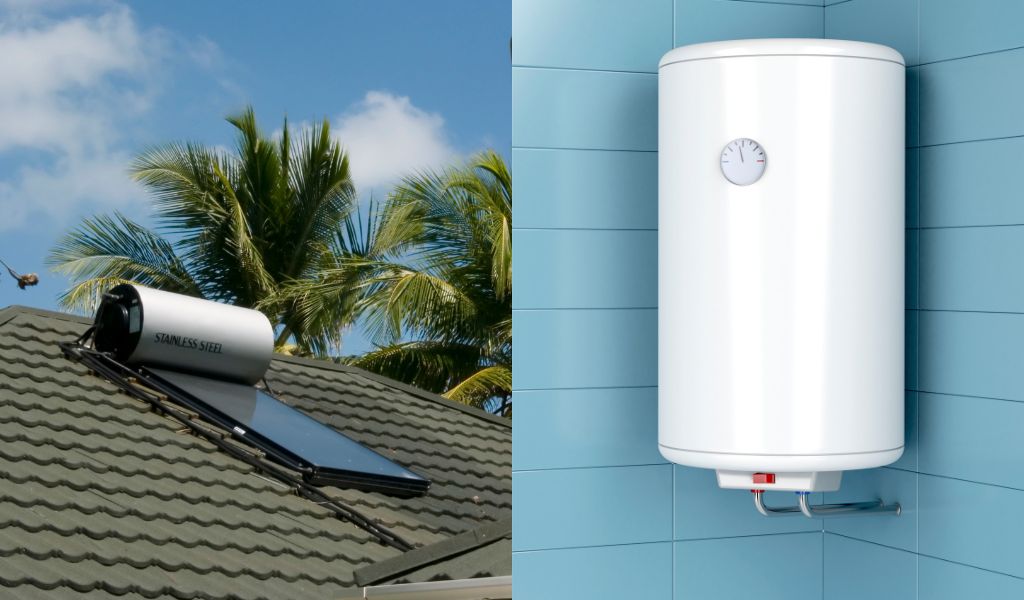
When it comes to choosing the right type of water heater for your home, the debate between a solar hot water heater and an electric hot water system is one that many Australian homeowners face. While both options provide reliable hot water, each comes with its own set of advantages.
Solar hot water systems, powered by solar energy and integrated with a solar PV system, offer significant savings in energy costs, while electric hot water systems deliver consistent heating regardless of the weather. But how do they compare, especially against traditional gas hot water systems?
Let’s look into the details.
Overview: Comparing Solar and Electric Hot Water Systems
Choosing the right water heating system for your home can significantly impact both your energy bills and the environment. Two popular options for homeowners are solar hot water systems and electric hot water systems. This comparison will help you understand the key features, benefits, and considerations for each option.
What Are Solar and Electric Hot Water Systems?
Solar hot water systems use solar energy to heat water for your home, typically via a solar collector and storage tank. These systems are powered by the sun’s energy and are highly efficient, especially in areas with abundant sunlight. On the other hand, electric hot water systems rely on electricity to heat water through electric heating elements. Both types of systems have their merits depending on your needs and location.
Key Benefits of Modern Hot Water Solutions
Modern hot water solutions aim to provide convenience, energy efficiency, and reduced environmental impact. Solar hot water systems leverage the power of the sun, significantly cutting down on electricity consumption. Electric hot water systems offer more consistent water heating but may come with higher ongoing electricity costs. Choosing between the two depends on factors such as installation costs, energy consumption, and long-term benefits.
How Solar Hot Water Systems Work
A solar water heater uses solar panels (also known as solar collectors) installed on your roof to absorb the sun’s energy. The collected energy is transferred to a storage tank, where water is heated for use. The system may include a heat pump, which helps when solar energy alone isn’t sufficient, especially during cloudy days or winter months.
Components of Solar Water Heating System
Solar hot water systems typically include the following components:
- Solar Collectors: Panels that capture solar radiation and convert it into heat.
- Storage Tank: Stores the heated water until it’s needed.
- Pump and Controller: Circulate water through the system, ensuring the heat is efficiently transferred.
- Heat Pump (optional): In some systems, a heat pump may assist in maintaining water temperature during low solar energy periods.
Benefits of Solar Water Heating
Solar hot water systems are extremely efficient and environmentally friendly. They harness free solar energy, reducing reliance on electricity. The systems typically last longer than electric water heaters and can lower your energy bills significantly. Additionally, they reduce your household’s greenhouse gas emissions, contributing to a cleaner environment.
How Electric Hot Water Systems Work
Electric hot water systems work by using electrical resistance to heat water through an element in the storage tank. The system runs on either standard electricity or a more energy-efficient heat pump. These systems are typically easy to install, require little maintenance, and offer on-demand heating, making them a reliable option for many homes.
Types of Electric Water Heaters
Electric water heaters come in several types, including:
- Storage Hot Water Systems: A tank stores heated water for use.
- Instantaneous Hot Water Systems: Heat water on-demand, without the need for a storage tank.
- Heat Pump Hot Water Systems: Extract heat from the surrounding air to heat water efficiently, offering a more energy-efficient alternative to conventional electric systems.
Advantages of Electric Hot Water Systems
Electric hot water systems are simple, widely available, and cost-effective in terms of installation. They can be used in virtually any home without requiring extensive infrastructure changes. While electric systems can be costly to run over time due to rising energy costs, they provide instant hot water and are suitable for homes with variable or low hot water needs.
Key Differences: Solar Hot Water vs Electric Hot Water
The main difference between solar and electric hot water systems lies in their energy source. Solar systems are powered by solar panels and rely on the sun’s heat, reducing electricity consumption and environmental impact. Electric systems use electricity to heat the water, which can be more expensive and less environmentally friendly. The choice between solar and electric depends on your location, budget, and long-term energy goals.
Energy Efficiency Comparison
In terms of energy efficiency, solar hot water systems outperform electric systems. Solar systems use renewable solar energy, which is free and abundant, whereas electric systems depend on electricity, often from non-renewable sources. A solar hot water system can reduce your energy consumption by up to 70%, depending on your location, while an electric hot water system may result in higher energy bills due to its reliance on grid electricity.
Cost Analysis: Upfront and Running Costs
The initial cost of installing a solar hot water system is typically higher than an electric system, due to the price of solar panels and installation. However, over the long term, solar systems are more cost-effective, as they drastically reduce electricity consumption. Electric hot water systems are more affordable upfront but can incur higher ongoing costs, especially with rising electricity prices.
Environmental Impact
Solar hot water systems contribute to reducing greenhouse gas emissions by harnessing clean, renewable solar energy. By switching to solar, you can significantly lower your carbon footprint and help combat climate change. In contrast, electric systems contribute to environmental degradation as they rely on grid electricity, which is often generated from fossil fuels.
Choosing the Best Hot Water System for Your Needs
When deciding between solar and electric hot water systems, consider your location, climate, budget, and hot water needs. If you live in a sunny area, a solar hot water system can offer significant savings in energy bills and reduce your environmental impact. If your home doesn’t receive enough sunlight or you have high hot water demands, an electric system may be a better option.
Factors to Consider: Climate, Budget, and Water Usage
The climate in your area plays a key role in determining whether a solar hot water system is right for you. Solar systems are most effective in regions with high solar radiation, while electric systems provide consistent heating regardless of weather conditions. Budget is another consideration; although solar systems may have higher upfront costs, they offer long-term savings. Finally, evaluate your water usage to determine which system can meet your needs efficiently.
Solar or Electric: Which Is Right for Your Home?
Deciding between solar or electric hot water depends on several factors, including energy consumption, budget, and environmental considerations. A solar system is ideal for homeowners looking to reduce their energy bills and environmental impact, while an electric system may be more appropriate for those with immediate hot water needs or limited access to solar resources.
Maintenance and Longevity
Both solar and electric hot water systems require regular maintenance to ensure optimal performance. Solar systems typically last longer and require less maintenance than electric systems. However, the efficiency of solar collectors may decrease over time due to dust and debris buildup. Electric systems may require more frequent attention, especially if the heating elements wear out or the system accumulates mineral deposits.
Caring for a Solar Hot Water System
To extend the lifespan of your solar hot water system, clean the solar collectors regularly to remove dust and debris. Ensure that the storage tank is well-maintained and check for leaks. It’s also essential to have a professional technician perform periodic inspections to ensure the system is functioning efficiently.
Pros and Cons of Solar and Electric Hot Water Systems
Solar hot water systems are more energy-efficient and environmentally friendly but come with higher initial costs and depend on sunlight. Electric systems are more affordable upfront and provide consistent water heating but tend to be more costly over time and less environmentally friendly.
The Future of Hot Water Heating in Australia
As the cost of solar systems continues to decrease and more homeowners look for ways to reduce their carbon footprint, solar hot water heating systems are expected to become increasingly popular in Australia. Rising energy costs and government incentives for renewable energy make switching to solar a smart choice for many households.
In conclusion, whether you opt for a solar hot water system or an electric water heater, each has its benefits depending on your home’s needs. Consider energy costs, environmental impact, and the system that best suits your lifestyle before making a decision.
Maintenance Tips for Electric Hot Water Systems
While electric hot water systems generally require less maintenance than solar systems, regular inspections and upkeep are still essential to ensure their efficiency and longevity. Here are some important maintenance tips to help you get the most out of your electric hot water system:
- Check the Heating Elements: Regularly inspect the heating elements for any signs of wear, corrosion, or damage. Over time, heating elements can deteriorate, reducing their ability to efficiently heat water.
- Inspect the Water Tank: Examine the tank for any signs of leaks, rust, or corrosion. If you notice any issues, it’s important to address them promptly to avoid more serious damage to the system.
- Flush the Tank: Over time, mineral deposits from hard water can build up in the tank, leading to reduced heating efficiency. Flushing the tank once a year can help remove these deposits and prevent blockages that may affect the system’s performance.
- Check the Temperature Setting: Ensure the thermostat is set to an optimal temperature (usually between 60-65°C). Setting it too high can increase energy consumption, while setting it too low may result in inadequate hot water.
- Examine the Pressure Relief Valve: The pressure relief valve ensures that excess pressure is released safely from the system. Test it annually to make sure it is functioning correctly to avoid the risk of a pressure build-up.
- Inspect the Anode Rod: Anode rods help prevent rusting and corrosion inside the water tank. Over time, they can wear down and need to be replaced. It’s advisable to inspect the anode rod every couple of years and replace it if necessary.
- Clean the Water Inlet Filter: If your system has an inlet filter, it should be cleaned regularly to prevent debris from entering the system and causing blockages or reduced efficiency.
- Monitor Water Temperature: If you notice that the water temperature fluctuates or is inconsistent, it may be an indicator of a malfunctioning thermostat or heating element. Have it checked by a professional.
- Professional Inspections: While basic maintenance can be done by homeowners, it’s important to have a qualified technician inspect and service your electric hot water system every few years. This helps identify potential problems before they become costly repairs.
By following these simple maintenance steps, you can help ensure that your electric hot water system remains in good working order, saving energy and extending the life of your system.
Conclusion: Making the Smart Choice for Your Home
Choosing between a solar hot water heater and an electric hot water system involves weighing the benefits of each based on your specific needs. While solar systems offer long-term energy savings and environmental benefits, electric systems provide convenience and reliability. Consider your climate, budget, and long-term energy goals to determine the best system for your home.
Looking to heat your water efficiently? At AC Plumbing, we specialize in helping Brisbane homeowners choose between a solar power system and a solar hot water system. Whether you’re interested in reducing your energy bills or investing in a more sustainable solution, our experts can guide you through the best type of hot water system for your home.
Contact us today to explore your options and make the smart switch!


