
The Most Common Causes of Low Water Pressure
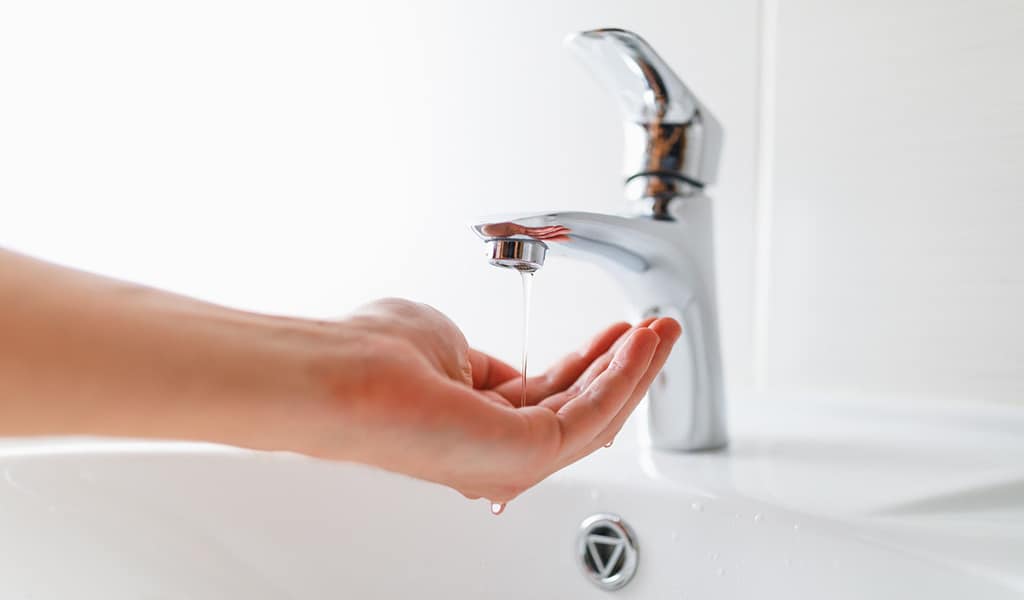
Nothing is more annoying than looking forward to a shower only to find that the water pressure is so low that you have to move around the shower to get wet! Many homeowners experience low water pressure, but what causes this pressure drop?
Check These Things If Your Home Has Low Water Pressure
Valve for water meters
If water is only trickling from the tap, one of the first things to check is the water meter valve. There are two shut-off valves in your plumbing system, the first of which is the water meter valve.
It’s located next to the main water supply line that brings water from the city to your house. Most individuals don’t utilize the water meter valve because it belongs to your water provider and is operated by professionals.
However, if the water pressure is low, the meter valve may be only half-open, which is common when plumbing work has been done recently. It’s possible that the plumbers neglected to open the valve, resulting in low water pressure.
In a warm climate, we recommend inspecting the meter box, which can be found on the outer wall of your home. It can also be found between the street and your home in the garage, basement, or underground.
Check the metal handle to see whether it’s parallel to the water line to see if the valve is open; if it’s at an angle, you’ll need a wrench to open it.
Rusted steel pipes
Water pipes in your home are usually made of galvanized steel or copper, which can corrode over time due to silt deposits. Copper pipes have a 50-year lifespan, while galvanized steel pipes have a 20-year lifespan.
If you live in an older house, the pipes within may be heavily rusted, making the problem harder to detect. You may not be able to detect the blockage if your pipes are rusted so you will need to contact a local plumber to replace them with more durable materials.
Pressure regulator failure
You might not realize it, but the plumbing system contains a pressure regulator, often known as a pressure-reducing valve, that can impact water pressure. It’s no surprise that a faulty pressure regulator will fail to control the plumbing system’s input pressure and reduce it to a safe level.
Although not all homes have a pressure regulator, those that do may notice a rapid increase or decrease in water pressure if it fails. The silver lining is that if the regulator isn’t working, you’ll know right away because it affects the water supply throughout the house.
DIYers may typically replace the regulators themselves if the replacement is of the same brand and has suitable fittings. It is always advisable to call a professional plumber if you’re unsure.
After measuring the pressure with a pressure gauge, they will turn off the water supply using the water meter valve. The average pressure is roughly 75 pounds per square inch, however, this varies depending on where you are. Connect the pressure gauge to the spigot closest to the regulator or main supply line to get a reading.
Act immediately to remedy the situation once the pressure has been considerably lessened.
Examine the main shutoff valve
Remember how we said that every house has two shut-off valves? The other valve, which you are well aware of, controls the water supply into your home. It controls the water flow from the city pipeline and extends through your home’s foundation walls.
Make sure this valve is open; if it’s a gate valve, spin the wheel-like handle counterclockwise to increase the water flow. Adjust the lever position on a ball valve to ensure parallel to the pipeline rather than at an angle.
After repairing any fault, plumbers may leave the shut-off valve partially closed, similar to the water meter valve. So, if your water pressure reduces after a repair, it’s likely due to an issue with the meter or shut-off valve.
Buildup of debris
The accumulation of debris and minerals in your water pipes can gradually reduce water pressure over time. Sand, dirt, and other contaminants, as well as minerals from the water, can all diminish the diameter of the pipes, resulting in reduced water pressure. Any debris or mineral buildup that is causing the pressure drop can be identified via CCTV by your plumber.
Contact your water provider
If you’ve tried everything else and still can’t figure out why your water pressure is low, contact your water supplier. The supplier may have difficulty maintaining continuous pressure, compromising your home’s supply.
You’ll be able to check whether your neighbors are having similar problems, so call the supplier and inquire about when normal service will be restored.
Common pipelines
When people share pipelines, low water pressure is more likely to occur. Does it affect your water pressure when your neighbor, for example, takes a shower or washes his car?
This happens when the water supply is split between multiple households; if it upsets you, call a professional plumber to replace the pipes. This will permanently eliminate the problem if you are willing to pay for renovations.
Your local low water pressure experts
For any of your low water pressure difficulties in Brisbane, call AC Plumbing at 1300 161 615.
Our emergency plumbers are available 24 hours a day, 7 days a week, to handle all of your plumbing problems. So contact us right away.


