
What Happens if You Don’t Get Your Backflow Tested – Backflow Prevention Guide
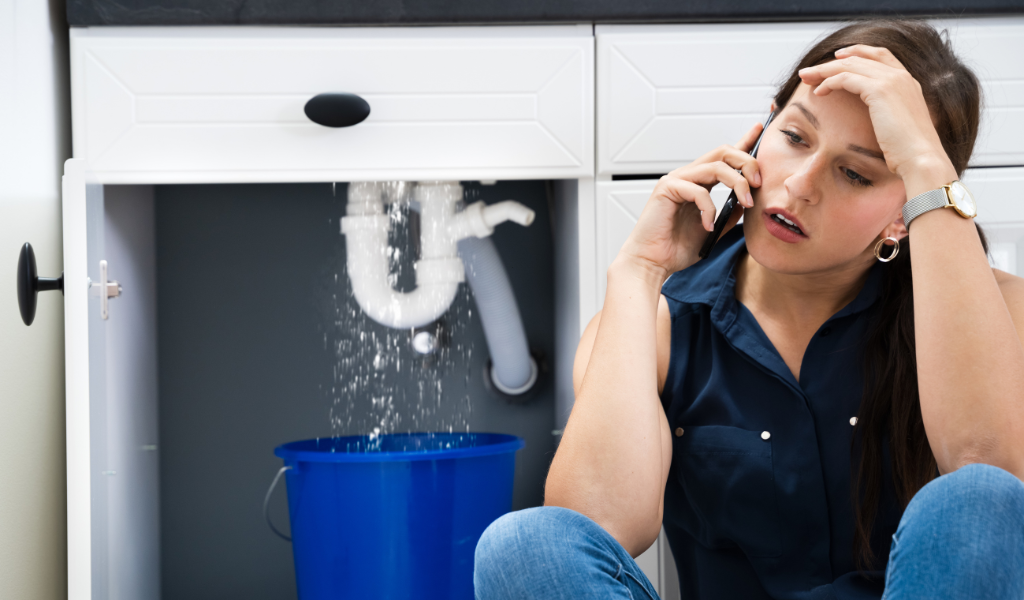
Failing to get your backflow prevention devices tested can lead to serious consequences, including health risks, fines, and even water service disconnection. Backflow testing is crucial for ensuring the safety of your drinking water and protecting the public water supply.
Scenario #1: Contamination of Drinking Water
When a backflow prevention device is not tested regularly, there is no guarantee it’s working. If a drop in water pressure occurs—due to a burst main, fire hydrant use, or maintenance—the direction of water flow can reverse. This allows contaminants from sprinkler systems, industrial fluids, or even sewer connections to be siphoned back into the clean water supply.
Backflow contamination often goes unnoticed until people start getting sick. The presence of fertilisers, chemicals, or human waste in the drinking water supply can lead to gastrointestinal illnesses and other health issues. For residential homes and commercial buildings in Brisbane, where climate conditions increase water usage, the threat of backflow is even more serious.
Not testing your backflow device leaves your property and the wider community vulnerable to such contamination events.
Scenario #2: Penalties and Fines
In Queensland, backflow prevention devices must be tested annually by an accredited backflow plumber. Property owners are legally responsible for maintaining these devices and submitting test results to their local council or water authority.
Failing to comply with these regulations can lead to substantial fines. Local councils often issue infringement notices if backflow testing isn’t carried out within the required timeframe. In some cases, penalties can exceed several hundred dollars per offence.
Ongoing non-compliance may also affect insurance coverage, especially if damage or illness results from a preventable backflow event. Keeping up with your testing requirements isn’t just good practice—it’s the law.
Scenario #3: Water Service Disconnection
Authorities may go further than fines. If repeated requests for compliance are ignored, the water utility has the authority to shut off your property’s water supply. This step is typically a last resort, but it’s a real possibility for property owners who fail to get their backflow device tested.
Water disconnection can have immediate consequences for businesses and households. Restaurants, medical clinics, and childcare centres, for example, cannot legally operate without clean, running water.
To avoid the risk of service disruption, always schedule your annual backflow test with a licensed plumber who is accredited to submit results to the local water authority.
Scenario #4: Damage to Plumbing
Faulty or untested backflow prevention devices can also place stress on your plumbing system. A stuck or broken valve may restrict the flow of water or create pressure imbalances in your pipes. Over time, this can result in leaks, pipe bursts, or damage to appliances such as water heaters and dishwashers.
These plumbing issues are not only inconvenient—they can be costly to fix. In older Brisbane properties with complex water systems or multiple water outlets, the damage can quickly add up.
Annual backflow testing ensures that any faults or blockages in the device are identified and repaired before they cause more serious issues in your plumbing system.
Scenario #5: Community Health Risks
Backflow isn’t just a private problem—it’s a public health concern. When backflow occurs, potentially contaminated water can re-enter the main supply and affect neighbouring homes and businesses. This puts the broader community at risk, especially if the backflow goes undetected.
High-risk properties such as those with irrigation systems, commercial kitchens, medical facilities, or chemical use must install the appropriate type of backflow prevention device based on the hazard rating of the property.
Examples of common contaminants introduced through backflow include:
- Fertilisers and pesticides from garden irrigation systems
- Chemicals from industrial washdowns
- Bacteria from untreated wastewater connections
- Non-potable water from fire service connections
These contaminants compromise safe drinking water, turning one property’s neglect into a neighbourhood-wide issue.
Why Is Backflow Testing So Important?
A properly installed backflow prevention system is only as effective as its maintenance schedule. Annual backflow testing ensures that:
- The device is working correctly
- The valve closes properly under reverse flow conditions
- Any wear, blockage, or failure is identified early
- Compliance with Brisbane City Council and Queensland plumbing codes is maintained
There are several types of backflow devices, including reduced pressure zone (RPZ) valves, double check valves, and containment devices. Each has a specific function and must be tested accordingly by a plumber with backflow prevention accreditation issued by a recognised authority.
Testing ensures the device prevents water from flowing back into the system, especially during sudden pressure drops. It gives both property owners and water authorities peace of mind that drinking water remains clean and safe for everyone.
Why Working With Licensed Plumbers is a Must
Backflow testing is not a DIY task. It requires a licensed and accredited backflow plumber with specialised equipment and training. These professionals are authorised to:
- Test backflow prevention devices
- Submit official results to local councils
- Install or replace faulty devices
- Issue compliance certificates
Working with a qualified plumber ensures your system meets all regulations, and it saves you the headache of potential fines or unsafe water conditions.
In Brisbane, not all plumbers are accredited to test backflow devices. Always confirm their licensing and backflow accreditation before scheduling the work. A good plumber will also advise on the best type of backflow prevention device for your property’s specific hazard rating.
Conclusion
Neglecting your annual backflow test might seem minor, but it can trigger serious issues—from contaminated drinking water and plumbing damage to legal fines and even community-wide health risks. Every property owner in Brisbane has a role to play in protecting the public water supply. Backflow prevention is not just about plumbing—it’s about public safety, compliance, and peace of mind.
Don’t take chances with the water your family or customers drink. Contact AC Plumbing today to book your annual backflow test and ensure your water stays clean and safe.
Frequently Asked Questions
What are the legal penalties for not testing a backflow system?
In Brisbane, Queensland, owners who fail to test or register their backflow prevention devices may incur fines of up to 20 penalty units per device. Additional penalties can apply if test results are not submitted within the required timeframes. These penalties are enforced under Queensland plumbing regulations to ensure water safety and prevent contamination of the public supply.
How does contamination from an untested backflow system affect public health?
Contamination from an untested backflow system can introduce harmful chemicals, bacteria, and pollutants into the drinking water supply. This poses serious health risks, including waterborne illnesses and gastrointestinal infections. Because the water system is shared, the consequences of contamination extend beyond one household, potentially impacting the wider Brisbane community.
Can water service be disconnected due to non-compliance with backflow testing?
Yes, local councils and water authorities in Queensland have the authority to disconnect a property’s water supply if the owner fails to comply with backflow testing and registration requirements. Service is usually not restored until the backflow device is tested by an accredited plumber, registered with the council, and all outstanding fees are paid. This measure protects the integrity of the public water system.
What are the risks of not testing a backflow system in homes with wells?
Homes that use wells or private water sources are especially vulnerable if backflow prevention devices aren’t tested. Untested or faulty devices can allow contaminated water to flow back into the well, compromising the household’s drinking water. This can result in unsafe conditions, making regular testing essential for any property with a well system.
How often should backflow prevention devices be tested?
Backflow prevention devices in Brisbane must be tested at least once every calendar year. This testing must be carried out by a licensed and accredited plumber. Annual backflow testing ensures the device is working properly to prevent contamination, and that the property remains compliant with Queensland’s plumbing codes and local council requirements.


