
What to Do When a Pipe Bursts
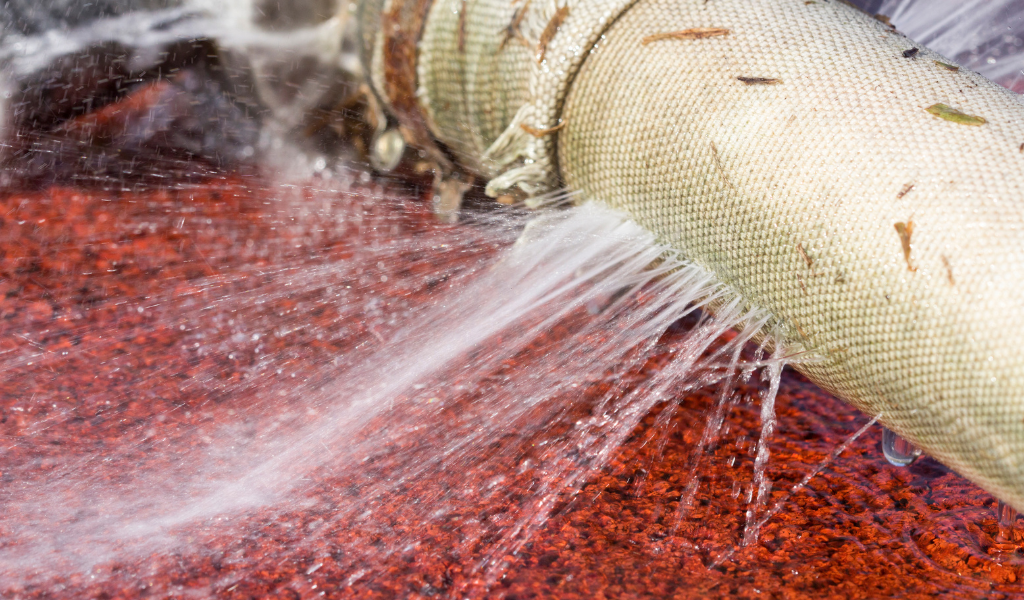
When a pipe bursts in your home, fast action is critical. Burst pipes can cause significant water damage, expensive repair costs, and long-term problems in your plumbing system. Understanding the right steps for burst water pipe repair is essential to minimise the impact. This guide explains the important steps to take when a pipe has burst, so you can minimise damage and restore your home safely.
Step 1: Shut Off the Water to Stop the Burst Pipe
The first thing you must do is turn off the water supply. Find your water meter and shut off the main water supply immediately. This will stop the flow of water and prevent further flooding inside your home.
Turning off the water supply as soon as possible is crucial. Every minute counts because water can travel quickly throughout your home, soaking walls, ceilings, and floors.
If you have homes with well water, make sure to switch off the system’s supply pump too. Stopping the flow of water reduces the extent of the damage and will make the next steps easier.
Step 2: Shut Off the Main Water and Cut Power If Needed
After you turn off the water, assess whether electricity is affected. If water is leaking near outlets, appliances, or your hot water system, shut off the power in the affected areas.
Standing water and electricity are a dangerous combination. Always prioritise safety when pipe bursts in your house. If unsure, it’s safer to turn off your main switchboard.
Taking quick action can help prevent injuries and protect your home from further severe water damage.
Step 3: Locate the Damaged Pipe and Signs of a Burst
Once it’s safe, look for the source of the leak. Signs of a burst water pipe include large water stains, wet patches on walls, puddles, or reduced water pressure when using your taps.
Sometimes, the section of the pipe may not be immediately visible. Water in the pipes can travel behind walls or ceilings before becoming noticeable. Reduced water flow in certain areas of your home may also point to the location of the burst.
Identifying the location early helps speed up professional repair work.
Step 4: Get Rid of the Water and Control Leaking Water
The next priority is to get rid of the water. Use towels, buckets, or a wet/dry vacuum to drain the water from the affected areas.
Drain the water from your hot water taps too, as the remaining water inside your pipes can still leak. Dry the space with fans or dehumidifiers to minimise water damage caused by lingering moisture.
If leaking water continues despite the main shutoff, isolate smaller shutoff valves connected to individual fixtures.
The faster you remove standing water, the less chance there is of mould growth, structural issues, and costly water damage restoration.
Step 5: Handle a Burst Pipe Safely to Protect Your Home
When you’ve got a burst pipe, every move you make matters. Start moving furniture, rugs, and valuables out of wet areas to prevent further damage to your home.
Water can travel under floorboards and into insulation, so acting quickly reduces the chance of hidden problems. Keep an eye out for waste water pooling in unexpected places.
Using a moisture meter can also help you detect how far the water has spread inside your home. Take photos of everything — these will be important for insurance claims.
Step 6: Call a Plumber to Fix a Burst and Repair the Pipe
Even if you manage the immediate emergency, professional help is critical. Call a licensed plumbing service to inspect and repair the pipe.
Trying to fix a burst pipe yourself can make things worse if you don’t have the right tools or skills. A plumber may be able to repair a burst section using a repair sleeve or may recommend replacing part of the pipe system if the strength of the pipe is compromised.
Getting a plumber involved early can save you from bigger repair costs down the track.
Temporary Solutions to Fix a Burst Water Pipe
While waiting for help, there are temporary steps to take to control leaks and burst pipes.
If the burst is accessible, you can use a repair sleeve or rubber patch to temporarily seal the leak. A pipe clamp or even duct tape in an emergency can stop the water coming out temporarily.
For small breaks, a pipe cutter to cut the damaged section out may be used by a professional before a more permanent fix.
However, remember: these are only stopgaps. You’ll still need a full repair to ensure the plumbing system is safe long-term.
What to Do When You Have a Burst Water Main
If a burst water main happens outside your home, the situation is more serious.
Burst water mains can send large amounts of water everywhere, affecting your driveway, street, and even your neighbours. You must immediately call your local council or water authority.
Turn your water off at your property if you can to limit internal damage. The flow of water from a burst main can cause the pipe to burst inside your property too if pressure builds up abnormally.
Fast communication with authorities is key when external pipe bursts happen.
How Water Pressure and Flow Affect a Broken Pipe
Understanding water pressure can help you act smarter when pipe issues arise.
Excessive water pressure can cause the pipe to burst, while reduced water pressure might indicate a slow leak or weakened section within the pipe. Frozen water expanding within the pipe may also weaken pipe strength.
Changes in the water flow or water bill increases without explanation may point to leaks and burst pipes developing over time.
Always monitor your water system for unusual signs — early detection can save you from severe water damage.
Prevent a Burst with Regular Plumbing Maintenance
There are steps you can take to help prevent burst pipes in the future.
- Install pipe insulation in areas prone to freezing.
- Inspect plumbing system regularly for leaks, corrosion, or movement.
- Replace aging pipes before they become a bigger problem.
- Monitor your water pressure to ensure it’s not too high.
- Fix small leaks before they weaken the outside of the pipe.
Proactive care reduces the risk of future pipe bursts in your home and protects you from the extensive repair costs that come with severe water damage.
Conclusion
When you’re facing a burst pipe on your hands, quick action is essential to stop the flow of water and limit damage to your home. By following these steps to take when a pipe bursts — from turning off the water to calling a professional plumber — you can significantly reduce water damage caused by leaks and bursts.
If you need expert help, AC Plumbing is here for you. We offer fast and reliable plumbing service across Brisbane. Contact us today to repair a burst or prevent future problems before they start!
Frequently Asked Questions
How can I prevent pipes from bursting in the future?
Preventing burst pipes involves insulating exposed pipes, maintaining steady heating during cold weather, and scheduling regular plumbing inspections. Fix any leaks early and monitor water pressure, as excessive pressure can cause the pipe to burst. Proper maintenance of your plumbing system can help prevent serious water damage and expensive repairs.
What are the signs that a pipe might burst?
Early signs include reduced water pressure, water stains on walls or ceilings, strange noises inside the pipes, and unusually high water bills. You might also notice damp patches, musty smells, or dripping sounds. Identifying these issues early can help prevent severe water damage caused by burst pipes in your home.
Should I use a wet/dry vacuum or a dehumidifier after a pipe bursts?
Use a wet/dry vacuum first to remove large amounts of water quickly. Once the standing water is cleared, use a dehumidifier to dry out the remaining moisture. This combination helps prevent mould growth, structural damage, and lingering odours after a burst pipe causes flooding inside your home.
How do I know if the damage from a burst pipe is covered by insurance?
Most home insurance policies cover sudden and accidental water damage, like a burst pipe. Check your policy details or contact your insurer to confirm. Coverage usually includes the cost of water damage restoration but not the repair work for the actual pipe that burst. Always document the damage properly.
What should I do if I can’t shut off the electricity due to the burst pipe?
If it’s unsafe to reach your circuit breaker because of standing water, leave the area immediately and call an emergency electrician or your power provider. Never risk electric shock. Prioritising your safety is critical when dealing with water and electrical hazards caused by a burst water pipe.
Should I contact my insurance provider immediately after a pipe bursts?
Yes, you should contact your insurance provider as soon as possible after a pipe bursts. Early notification helps speed up the claims process and ensures you follow the correct steps to document the water damage. Your insurer can also recommend trusted water damage restoration services to help minimise repair costs.


