
Can Blocked Drains Cause Damp?
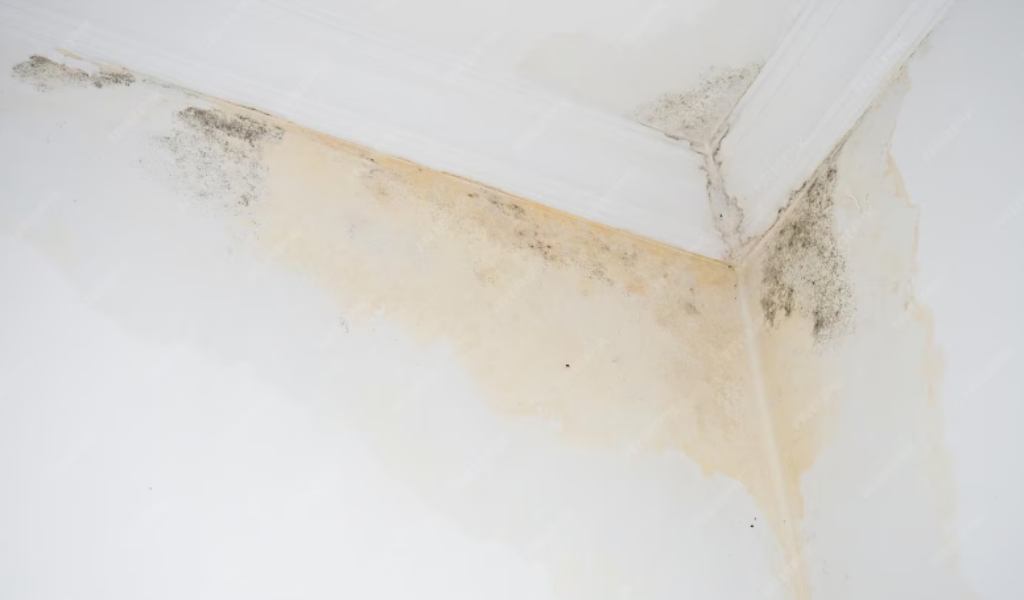
Can blocked drains cause damp in your Brisbane home? The answer is yes, and this connection represents a major cause of moisture problems that many homeowners overlook. When blocked drains prevent proper water drainage, water can back up, overflow, and seep into foundations, walls, and floors, creating conditions for rising damp and penetrating dampness. Understanding how blocked drains can cause damp issues helps Brisbane property owners recognize warning signs and address drainage problems before they lead to structural damage, mould growth, and health risks throughout your home.
For comprehensive information about blocked drain solutions, professional assessment can identify all contributing factors to moisture infiltration problems.
Key Takeaways
✅ Blocked drains cause damp by creating water backup that penetrates foundations and walls, leading to rising damp and structural moisture problems throughout Brisbane homes
✅ Signs of damp caused by drainage issues include dark patches on walls, musty odours, peeling paint, excessive condensation, and mould growth affecting both property and health
✅ Professional CCTV drain surveys identify blockage locations and drainage damage while comprehensive cleaning restores proper water flow away from building structures
✅ Preventive maintenance including regular drain cleaning and landscape management prevents minor drainage issues from developing into costly damp problems requiring structural remediation
Understanding the Connection Between Blocked Drains and Damp Problems
Blocked drains create multiple pathways for water infiltration that directly contribute to damp and wet rot issues throughout Brisbane properties.
When drainage systems become blocked, water cannot flow away from your property as designed, creating conditions where moisture penetrates building structures and causes widespread dampness. This water buildup around the foundation of your home provides the moisture source necessary for rising damp, which travels upward through porous building materials like brick, concrete, and mortar.
Brisbane’s subtropical climate exacerbates these problems, as high humidity levels and frequent rainfall during the wet season increase the volume of water that blocked drainage systems cannot handle effectively. The combination of poor drainage and ambient moisture creates ideal conditions for damp problems to develop and spread throughout residential properties.
| Drainage Problem | Damp Type Created | Affected Areas | Health Impact |
|---|---|---|---|
| Foundation Drainage Blockage | Rising damp | Ground floor walls, skirting boards | Mould spores, respiratory problems |
| Gutter/Downpipe Blockage | Penetrating damp | External walls, ceilings | Condensation, allergens |
| Stormwater Drain Blockage | Surface water damp | Floors, basement areas | Structural rot, air quality issues |
| Sewer Line Blockage | Contaminated moisture | Internal walls, flooring | Serious health hazards, bacteria |
The integrity of your home depends on effective drainage systems that direct water away from structural elements. When these systems fail due to blockages, the resulting moisture problems can compromise the structural stability of your home while creating health risks for occupants.
How Blocked Drains Lead to Rising Damp Issues
Rising damp represents one of the most serious consequences of blocked drains, causing widespread moisture problems that affect structural integrity and indoor air quality.
Water Infiltration Through Foundation Systems
Blocked drains cause water to accumulate around building foundations, creating hydrostatic pressure that forces moisture through foundation walls and into living spaces.
When stormwater drains, downpipes and gutters become blocked, water pools around the foundation of your home instead of flowing away to appropriate discharge points. This standing water gradually penetrates through foundation materials, particularly in older Brisbane properties where foundation waterproofing may be inadequate or deteriorated.
The water infiltration process begins with minor seepage through microscopic cracks and porous materials, but blocked drains maintain constant moisture levels that allow penetration to increase over time. Eventually, this moisture travels upward through capillary action, creating rising damp that affects ground-floor walls, flooring, and internal building elements.
Foundation infiltration indicators:
- Damp patches on walls near ground level
- Musty odours in ground floor rooms
- Salt staining on brick or concrete surfaces
- Peeling paint or wallpaper at wall bases
- Soft or spongy timber skirting boards
Capillary Action and Moisture Migration
Once water penetrates foundation systems due to blocked drainage, capillary action draws moisture upward through building materials, spreading damp throughout structural elements.
Porous building materials like brick, concrete block, and mortar act as wicks, drawing moisture upward through tiny spaces within their structure. This process continues as long as blocked drains maintain water sources at foundation level, allowing damp to climb walls and spread horizontally through connected building elements.
The height that rising damp reaches depends on several factors including the porosity of building materials, the volume of water supplied by blocked drainage, and environmental conditions like humidity and ventilation. In severe cases where drainage issues remain unaddressed, rising damp can reach heights of 1.5 metres or more above ground level.
Structural Damage from Prolonged Moisture Exposure
Rising damp caused by blocked drains creates conditions for structural damage including timber rot, masonry deterioration, and foundation weakening that threatens the structural stability of your home.
Wet rot develops in timber elements exposed to persistent moisture from rising damp, causing structural timbers to lose strength and potentially compromising floor joists, wall frames, and other load-bearing components. This deterioration often occurs within wall cavities or under flooring where it remains hidden until significant damage has occurred.
Masonry materials affected by rising damp experience salt damage, where dissolved minerals crystallize as moisture evaporates, causing surface spalling and internal crack development. This process gradually weakens walls and can affect the structural integrity of your home if drainage problems persist without professional intervention.
Signs of Damp Problems Caused by Blocked Drains
Recognizing the common signs of damp helps Brisbane homeowners identify when blocked drains may be contributing to moisture problems throughout their property.
Visual Indicators of Rising Damp and Penetrating Moisture
Several visible signs indicate when blocked drains have created conditions allowing damp to penetrate and spread throughout building structures.
Wall and ceiling damp signs:
- Dark or discoloured patches appearing on internal walls
- Tide marks showing the extent of moisture penetration
- Paint bubbling, peeling, or flaking away from surfaces
- Wallpaper lifting or separating at edges
- White salt deposits (efflorescence) on masonry surfaces
Structural moisture indicators:
- Soft or crumbling mortar between bricks
- Rust stains from corroding metal fixtures
- Gaps appearing between skirting boards and walls
- Warped or lifting floor coverings
- Visible mould growth on walls, ceilings, or furnishings
| Damp Sign | Location | Severity | Action Required |
|---|---|---|---|
| Damp Patches | Lower walls, corners | Medium | Investigate drainage around affected areas |
| Mould Growth | Walls, ceilings, furnishings | High | Address drainage issues immediately |
| Structural Movement | Doors, windows, floors | High | Professional structural and drainage assessment |
| Salt Staining | External/internal masonry | Medium | Clear blockages, improve drainage |
Health and Environmental Symptoms
Damp conditions created by blocked drains produce environmental changes that affect indoor air quality and occupant health.
Excessive condensation becomes noticeable in rooms affected by rising damp, as increased moisture content in building materials raises humidity levels beyond comfortable ranges. This condensation often appears on windows, mirrors, and other cold surfaces, indicating that moisture levels exceed the building’s ability to maintain dry conditions.
Health-related symptoms:
- Persistent musty or earthy odours throughout affected areas
- Increased frequency of respiratory problems among occupants
- Aggravation of asthma or allergic conditions
- Persistent cold or flu-like symptoms
- Headaches or fatigue associated with poor indoor air quality
Environmental changes:
- Higher than normal humidity readings (above 60%)
- Persistent condensation on windows and cold surfaces
- Difficulty maintaining comfortable temperatures
- Clothes or furnishings feeling damp or taking longer to dry
- Electronic equipment developing moisture-related problems
Properties affected by drainage problems may also experience hidden water leaks that compound damp issues by introducing additional moisture sources throughout building structures.
Common Drainage Issues That Cause Damp in Brisbane Properties
Understanding the specific types of blocked drains that cause damp helps property owners identify and address the root of their moisture problems.
Stormwater Drainage Blockages
Blocked stormwater drains represent a major cause of damp problems in Brisbane properties, particularly during the wet season when rainfall overwhelms compromised drainage capacity.
Tree roots commonly infiltrate stormwater drain lines, creating blockages that prevent surface water from flowing away from buildings effectively. During heavy rainfall, blocked stormwater systems cause water to back up and pool around foundations, creating the moisture source for rising damp and structural water damage.
Debris accumulation in stormwater drains, including leaves, branches, and sediment, restricts flow capacity and causes water to overflow from drain points near buildings. This overflow saturates soil around foundations and can penetrate through basement walls or ground-floor slabs, introducing moisture directly into living spaces.
Understanding the bigger causes of blocked drains helps property owners identify multiple factors that contribute to drainage failures and subsequent damp problems.
Stormwater blockage consequences:
- Foundation flooding during heavy rainfall
- Basement or ground-floor moisture infiltration
- Garden bed oversaturation affecting nearby walls
- Driveway and patio water pooling
- Overflow into neighbouring properties
Comprehensive outdoor drainage systems become essential for properties experiencing recurring stormwater management problems that contribute to structural moisture issues.
Gutter and Downpipe Obstructions
Blocked gutters and downpipes prevent roof water from draining away from buildings, causing overflow that penetrates walls and creates penetrating damp conditions.
When gutters become blocked with leaves, debris, or bird nests, water overflows directly onto building walls instead of flowing to proper drainage points. This water runs down external walls, penetrating through cracks, joints, or porous materials and creating damp patches inside the building.
Blocked downpipes cause similar problems by preventing gutter water from reaching ground-level drainage systems. The resulting overflow often occurs at points where downpipes connect to buildings, directing water onto walls or into building cavities where it causes hidden damp damage.
Gutter and downpipe blockage effects:
- Water staining on external walls below overflow points
- Penetrating damp in rooms adjacent to blocked drainage
- Ceiling leaks where overflow contacts building structures
- Foundation water pooling from downpipe overflow
- Erosion of building materials from persistent water exposure
Internal Plumbing Blockages and Hidden Leaks
Blocked internal drains can cause leaks that remain hidden within wall cavities or under flooring, creating damp conditions that spread throughout building structures.
Leaks caused by blockages in waste pipes, particularly behind fixtures like sinks, showers, and washing machines, allow water to seep into wall cavities and floor spaces where it creates ideal conditions for mould growth and wet rot. These hidden leaks often go undetected for extended periods, allowing significant damage to occur before becoming visible.
Sewer line blockages can cause sewage to back up into floor drains or fixture traps, introducing contaminated moisture into buildings along with serious health hazards. This type of blockage requires immediate professional attention to prevent both structural damage and health risks.
Professional Solutions for Drainage-Related Damp Problems
Addressing damp problems caused by blocked drains requires comprehensive professional intervention that combines drainage repairs with moisture remediation.
CCTV Drain Surveys and Comprehensive Assessment
Professional diagnosis begins with CCTV drain inspection to identify blockage locations, assess damage, and determine the full extent of drainage problems contributing to damp issues.
Modern CCTV drain surveys provide detailed visual inspection of underground drainage systems, revealing blockages, root intrusion, pipe damage, and structural defects that allow water to escape and cause damp problems. This comprehensive assessment helps identify all drainage issues that may be contributing to moisture infiltration.
CCTV survey benefits:
- Precise location of blockages causing water backup
- Assessment of pipe structural integrity and leak points
- Identification of root intrusion or foreign object obstructions
- Documentation of repairs needed to restore proper drainage
- Evidence for insurance claims related to drainage damage
Professional assessment also includes moisture testing of affected building areas to determine the extent of damp penetration and guide remediation strategies. Thermal imaging and moisture meters help identify hidden damp areas that may not be visually apparent.
Drain Cleaning and Blockage Removal
Professional drain cleaning services address the root cause of drainage problems while preventing future blockages that could lead to recurring damp issues.
High-pressure water jetting removes stubborn blockages including tree roots, debris accumulation, and sediment buildup that prevents proper drainage function. This thorough cleaning process restores full drainage capacity, allowing water to flow away from buildings as designed and eliminating the moisture source for damp problems.
Professional cleaning methods:
- Jet blasting for severe blockages and root removal
- Mechanical cutting for root intrusion and solid obstructions
- Chemical treatments for minor blockages and ongoing maintenance
- Pipe relining for damaged sections allowing water infiltration
- Preventive maintenance programs to avoid future blockages
Moisture Remediation and Structural Repairs
Once drainage issues are resolved, professional moisture remediation addresses existing damp damage and prevents future problems from developing.
Structural drying using industrial dehumidifiers and air movement equipment removes moisture from building materials, stopping active damp problems and preventing mould growth. This process may take several weeks for severely affected areas, particularly where rising damp has penetrated deeply into masonry and timber structures.
Remediation process includes:
- Moisture content testing to establish baseline conditions
- Installation of drying equipment to remove trapped moisture
- Treatment of mould growth and contaminated materials
- Repair or replacement of damaged structural elements
- Application of moisture-resistant treatments to prevent recurrence
- Monitoring to ensure complete moisture removal before restoration
Property owners dealing with extensive water damage may need guidance on making successful water leak insurance claims to cover remediation costs and structural repairs.
Preventing Future Damp Problems Through Drainage Maintenance
Implementing comprehensive drainage maintenance programs prevents blockages from developing into serious damp problems that threaten building integrity and occupant health.
Regular Drain Inspection and Cleaning
Scheduled professional drain maintenance identifies and addresses minor blockages before they cause water backup and damp infiltration.
Recommended maintenance schedule:
- Annual CCTV drain inspections for properties with mature trees nearby
- Quarterly gutter and downpipe cleaning during peak leaf-fall periods
- Monthly visual inspection of drain grates and surface water flow
- Immediate investigation of slow drainage or unusual odours
- Post-storm inspection to identify damage or debris blockages
Preventive maintenance costs significantly less than emergency repairs and damp remediation, making regular drainage care a sound investment in property protection. Early identification of developing problems allows for simple clearing procedures rather than extensive excavation or structural repairs.
Landscape Management and Tree Root Control
Strategic landscape management reduces the risk of tree root intrusion that commonly causes drainage blockages leading to damp problems.
Understanding how to prevent tree roots from damaging sewer lines helps property owners make informed decisions about plant placement and species selection. Maintaining appropriate distances between large trees and drainage infrastructure prevents root intrusion while preserving landscape benefits.
Root prevention strategies:
- Plant trees at safe distances from drain lines (minimum 10 metres for large species)
- Choose native species with less aggressive root systems
- Install root barriers during construction or landscaping projects
- Regular root cutting treatments for existing trees near drainage
- Monitor drain function in areas with established vegetation
Conclusion
Blocked drains represent a significant but often overlooked cause of damp problems that can seriously damage Brisbane properties and affect occupant health. Understanding the connection between drainage issues and moisture infiltration helps homeowners recognize warning signs and take appropriate action before minor blockages escalate into major structural problems.
The relationship between blocked drainage and rising damp demonstrates why prompt professional intervention is essential when drainage problems develop. Ignoring blocked drains allows moisture to find weak spots in building structures, eventually causing extensive damage that requires costly remediation and structural repairs.
Experiencing damp problems or drainage issues at your Brisbane property? Contact AC Plumbing today for comprehensive drainage assessment and professional blockage removal services. Our experienced team uses CCTV drain surveys and advanced cleaning equipment to identify and resolve drainage problems before they cause serious damp damage. Don’t let blocked drains compromise your property’s structural integrity and your family’s health, contact us for professional drainage solutions that keep moisture where it belongs.
FAQs
Can blocked drains really cause damp problems in my home?
Yes, blocked drains cause damp by preventing water from draining away from your property, leading to water backup and infiltration through foundations and walls. This creates rising damp and penetrating moisture that affects structural integrity and indoor air quality.
What are the signs that blocked drains are causing damp issues?
Signs include dark patches on walls, musty odours, peeling paint or wallpaper, excessive condensation, mould growth, and salt staining on masonry. Health symptoms like respiratory problems or persistent cold symptoms may also indicate damp-related air quality issues.
How do blocked stormwater drains lead to damp problems?
Blocked stormwater drains cause surface water to pool around building foundations instead of flowing away. This standing water penetrates through foundation materials and creates rising damp that travels up through walls, causing widespread moisture problems throughout the building.
Will clearing blocked drains stop existing damp problems?
Clearing blocked drains eliminates the moisture source causing damp, but existing moisture in building materials requires professional drying and remediation. Complete resolution involves both drainage repairs and structural moisture removal to prevent ongoing damage and mould growth.
How can I prevent blocked drains from causing damp in future?
Prevent drainage-related damp through regular professional drain cleaning, CCTV inspections, gutter maintenance, and strategic landscape management. Keep trees at safe distances from drainage lines and address slow drainage immediately before blockages develop into serious problems.
When should I call a professional for drainage-related damp problems?
Call a professional immediately when you notice signs of damp including wall discolouration, mould growth, persistent odours, or health symptoms. Emergency intervention prevents minor drainage issues from causing extensive structural damage requiring costly remediation and repairs.


