
How to Unblock a Drain Without Rods: Easy DIY Methods That Work
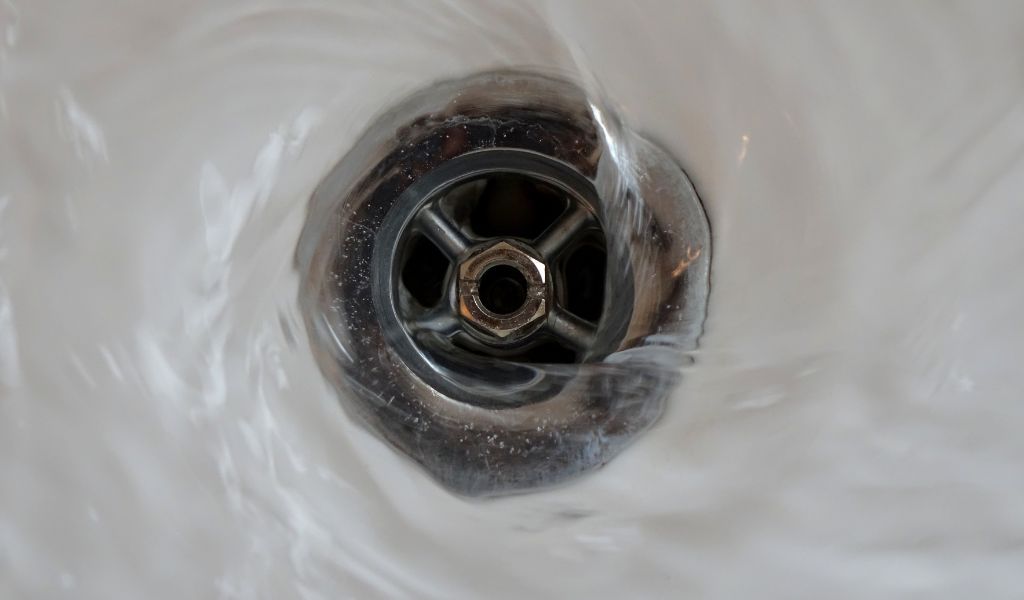
Unblocking a drain without rods uses household tools including plungers creating suction pressure, boiling water dissolving grease buildup, baking soda and vinegar breaking down organic blockages, or manually removing the U-bend trap under sinks. These effective DIY methods clear most common drain blockages caused by hair, soap scum, food debris, and grease accumulation without requiring professional drain rods or expensive equipment.
Brisbane homeowners face frequent drainage issues from Queensland’s wet season conditions, clay soil impacts, and tree root intrusion into pipes. Understanding practical unblocking techniques helps maintain free-flowing drains while recognizing when professional drain cleaning services become necessary for severe blockages.
Key Takeaways
✅ Plungers create suction pressure effectively clearing blockages near drain openings in sinks, showers, and toilets when used with proper sealing techniques and sufficient water creating pressure transfer, succeeding in 60-70% of common household drain blockages.
✅ Boiling water dissolves grease and fat deposits in kitchen drains while baking soda and vinegar breaks down organic materials providing safe chemical-free alternatives to caustic drain cleaners protecting pipes and septic systems in Brisbane properties.
✅ Manually removing U-bend traps under sinks provides direct access to common blockage locations with nearly 100% success rates for sink blockages caused by accumulated hair, soap scum, and debris trapped in curved pipe sections.
✅ Recognizing when DIY methods fail prevents wasted time and potential pipe damage from aggressive attempts with warning signs including multiple blocked fixtures, outdoor drain problems, recurring blockages, and sewage odors requiring professional plumbing assessment and specialized equipment.
Common Causes of Blocked Drains in Brisbane Homes
Understanding blockage causes helps select appropriate clearing methods and prevents recurring drainage problems. Most residential drain blockages develop gradually from accumulated debris rather than sudden obstructions.
Matching Blockage Types to Clearing Methods
| Blockage Type | Primary Location | Best DIY Method | Success Rate | Time Required |
|---|---|---|---|---|
| Grease buildup | Kitchen sinks | Boiling water | 70-80% | 10-15 minutes |
| Hair accumulation | Bathroom drains | U-bend removal or drain snake | 85-95% | 15-30 minutes |
| Soap scum | Shower/basin drains | Baking soda and vinegar | 60-70% | 30-45 minutes |
| Food debris | Kitchen sink traps | U-bend removal | 90-95% | 20-30 minutes |
| Light organic buildup | Any drain | Plunger | 60-70% | 5-10 minutes |
| Tree roots | Outside drains | Professional required | N/A | Professional only |
Kitchen Sink Blockages
Grease and fat buildup represents the primary kitchen drain blockage cause. Cooking oils, butter, and food fats pour liquid down drains but solidify when cooling in pipes. Over time, these deposits coat pipe interiors reducing flow capacity until complete blockages form.
Brisbane’s subtropical climate means many properties lack garbage disposal units common in cooler regions. Food scraps, coffee grounds, and vegetable peelings washing down kitchen sinks contribute to blockages, particularly when combining with grease deposits creating stubborn clogs.
Common kitchen blockage materials:
- Solidified cooking fats and oils coating pipes
- Coffee grounds accumulating in bends
- Food scraps lodging in traps
- Rice and pasta swelling in water
- Eggshells and fibrous vegetables
Bathroom Drain Blockages
Hair accumulation causes most bathroom sink, shower, and bathtub blockages. Hair combines with soap residue forming dense mats that trap additional debris. A single shower drain may accumulate dozens of meters of hair over months, gradually restricting water flow.
Soap scum from traditional bar soaps contains fats that bond with minerals in Brisbane’s water supply creating sticky deposits coating pipes. Modern body washes and liquid soaps cause fewer problems but still contribute to gradual buildup when combined with hair.
Bathroom blockage contributors:
- Hair from showers and sink use
- Soap scum and body product residue
- Toothpaste and dental floss
- Cotton buds and sanitary items (toilets)
- Mineral deposits from hard water
Outside Drain Blockages
External drainage systems around Brisbane properties face unique blockage challenges from environmental factors. Tree roots seeking water sources infiltrate underground pipes through tiny cracks, growing into substantial blockages requiring professional removal.
Queensland’s clay soils shift during wet and dry season transitions, potentially cracking drainage pipes. Leaves, mud, and debris wash into stormwater drains during heavy rainfall overwhelming systems and creating blockages at grates and bends.
Understanding what causes blocked drains helps property owners recognize which blockages respond to DIY methods versus those requiring professional equipment and expertise.
Method 1: Using a Plunger to Clear Drain Blockages
Plungers create pressure differentials forcing blockages to dislodge through suction and compression. This mechanical action proves effective for blockages near drain openings without requiring chemicals or specialized tools.
Selecting the Right Plunger Type
Cup plungers with flat rubber cups work best for sink drains, shower drains, and bathtub drains where flat surfaces allow proper sealing. The cup compresses against drain openings creating vacuum pressure when pulled upward.
Flange plungers feature extended rubber flanges fitting toilet drain openings, providing superior seals for toilet blockages. Using cup plungers on toilets often fails due to inadequate sealing around curved porcelain surfaces.
Proper Plunging Technique
Fill the blocked sink or basin with enough water covering the plunger cup completely. Water provides pressure transfer medium making plunging significantly more effective than working on dry drains. For sinks with overflow holes, block these with wet cloths preventing pressure escape.
Step-by-step plunging process:
- Position plunger directly over drain opening ensuring complete seal
- Add water covering plunger cup by 5-10 centimeters
- Block overflow holes with wet towels if present
- Push downward firmly compressing plunger against drain
- Pull upward sharply creating suction without breaking seal
- Repeat rapidly 15-20 times maintaining rhythm
- Test drainage by running water briefly
- Repeat process if blockage persists
Successful plunging produces gurgling sounds as blockages break apart and water begins flowing. If 3-4 plunging attempts fail clearing blockages, alternative methods or professional assistance become necessary avoiding pipe damage from excessive force.
Method 2: Boiling Water for Grease Blockages
Boiling water provides the simplest solution for kitchen drain blockages caused by grease and fat accumulation. The thermal energy melts solidified deposits allowing them to flow through pipes before re-solidifying in larger diameter sewer lines.
When Boiling Water Works Best
This method excels for recent grease blockages before deposits harden completely. Kitchen sinks draining slowly after cooking fatty foods often clear quickly with boiling water treatment. Regular boiling water flushes help prevent grease buildup maintaining free-flowing drains.
Brisbane’s warm climate means kitchen drains stay warmer than southern states, keeping grease deposits slightly softer and more responsive to hot water treatment. Winter months may require multiple applications as cooler ambient temperatures allow faster grease re-solidification.
Proper Boiling Water Application
Boil a full kettle of water reaching 100°C temperature. Pour directly into drain openings in stages allowing heat to transfer into pipes rather than rushing through quickly. Multiple kettles may be necessary for stubborn blockages.
Application steps:
- Boil full kettle of water
- Pour half kettle directly down drain slowly
- Wait 5-10 minutes for heat penetration
- Pour remaining water down drain
- Repeat with second kettle if needed
- Test drainage with cold water
Important safety considerations: Avoid boiling water on PVC pipes when water exceeds 80°C as extreme heat may soften pipe joints. Most Brisbane properties built after 1980 use PVC drainage requiring caution with boiling water. Older properties with metal drains safely handle boiling water without concerns.
Protect yourself from steam burns by pouring carefully and avoiding splashing. Never lean directly over drains when pouring boiling water as rising steam causes facial burns.
Method 3: Baking Soda and Vinegar Chemical Reaction
The baking soda and vinegar method creates fizzing chemical reactions breaking down organic blockages including hair, soap scum, and food debris. This natural alternative to caustic chemical drain cleaners proves safer for pipes, septic systems, and the environment.
How the Chemical Reaction Works
Mixing baking soda (sodium bicarbonate) with vinegar (acetic acid) produces carbon dioxide gas creating bubbling action. This agitation helps dislodge debris while mild acids break down organic materials. The reaction also helps deodorize drains eliminating unpleasant smells from bacterial growth.
Application Process
Pour dry baking soda directly into drain openings ensuring powder contacts pipe surfaces rather than immediately washing away. Follow quickly with vinegar creating immediate fizzing reactions within pipes. Covering drains traps gas pressure forcing reactions deeper into drainage systems.
Detailed application steps:
- Remove standing water from blocked sinks or basins
- Pour 1/2 cup baking soda directly into drain
- Add 1 cup white vinegar immediately after
- Cover drain opening with plug or wet cloth
- Wait 30-60 minutes allowing reaction to work
- Flush with hot water for 2-3 minutes
- Repeat if necessary for stubborn blockages
This method works best for light to moderate blockages affecting single drains. Severe blockages requiring more aggressive treatment may need professional attention. Regular monthly treatments help maintain clear drains preventing blockage formation.
Method 4: Manual U-Bend Removal and Cleaning
Removing and cleaning the U-bend (P-trap) under sinks directly accesses blockage locations eliminating trapped debris. This straightforward approach provides nearly 100% success for sink blockages while requiring only basic tools and household buckets.
Understanding U-Bend Function and Design
U-bends create water seals preventing sewer gases from entering homes through drain openings. The curved design traps water in lower portions blocking odor pathways. Unfortunately, this same design catches debris creating common blockage points.
Most bathroom and kitchen sinks feature accessible U-bends with hand-tightenable connections allowing removal without tools. Older installations may require adjustable wrenches or slip-joint pliers loosening corroded fittings.
U-Bend Removal Process
Place large buckets or containers under U-bends before loosening connections as trapped water and debris will drain immediately. Protect floor surfaces with old towels absorbing spills. Wearing rubber gloves prevents contact with unpleasant accumulated materials.
Step-by-step removal:
- Place bucket directly under U-bend catching water
- Loosen slip nuts by hand or with wrench
- Remove U-bend section carefully
- Empty contents into bucket
- Clean thoroughly with bottle brush and detergent
- Check washer condition replacing if deteriorated
- Reattach securely hand-tightening slip nuts
- Test for leaks running water and checking joints
After reassembly, run water for several minutes verifying proper flow and checking connections for leaks. Slight tightening may be necessary if water seeps from joints. Avoid over-tightening as excessive force cracks plastic components.
This method reveals blockage causes helping prevent recurrence. Hair accumulation suggests installing drain covers, while grease deposits indicate improved kitchen disposal practices needed.
Method 5: DIY Drain Snake Alternatives
Without professional drain rods, several household items create effective drain snakes removing hair blockages and dislodging debris near drain openings. These improvised tools work best for bathroom drains where hair represents primary blockage material.
Wire Coat Hanger Snake
Straighten wire coat hangers creating 40-50 centimeter probes. Bend small hooks at ends catching hair and debris during withdrawal. The flexible wire navigates drain bends reaching blockages beyond visible drain openings.
Wire hanger usage:
- Straighten coat hanger leaving small hook at end
- Insert carefully into drain opening
- Push past initial resistance navigating bends
- Rotate while withdrawing catching blockage materials
- Clean retrieved debris from hook
- Repeat until drainage improves
Plastic Zip-It Tools
Hardware stores like Bunnings sell plastic drain cleaning strips featuring small barbs catching hair during removal. These disposable tools cost $5-10 and prove remarkably effective for shower and bathroom sink hair blockages.
Insert zip tools fully into drains then withdraw slowly allowing barbs to catch accumulated hair. Multiple insertions from different angles may be necessary clearing extensive hair mats. Dispose of tools after single use as retrieved debris makes cleaning impractical.
Advantages Over Professional Rods
These DIY alternatives suit light blockages near drain openings without requiring expensive professional equipment. They provide immediate solutions for common household drainage issues saving callout fees for straightforward problems. However, recognizing limitations prevents wasting time on blockages requiring professional hydro-jetting or CCTV inspection.
Understanding tips for bigger causes of blocked drains helps property owners distinguish DIY-suitable blockages from those needing professional equipment.
Method 6: Wet and Dry Vacuum Extraction
Wet and dry vacuums create powerful suction potentially extracting blockages from drains. This method works best for solid objects accidentally dropped down drains or dense accumulations near drain openings.
Setting Up for Drain Vacuuming
Set vacuums to wet mode as drain blockages contain moisture and debris requiring liquid handling capability. Create tight seals around drain openings using old towels or rags preventing air leaks reducing suction effectiveness.
Vacuum extraction process:
- Switch vacuum to wet mode
- Remove filters if necessary per manual
- Create seal over drain opening with towel
- Hold vacuum hose tightly against drain
- Run at maximum suction for 2-3 minutes
- Check if blockage released
- Clean vacuum immediately after use
Success depends on blockage proximity to drain openings and suction power. This method rarely clears blockages deep in drainage systems but provides options when other approaches fail. Empty and clean vacuums immediately preventing debris drying inside units.
DIY Drain Clearing Method Comparison
| Method | Equipment Needed | Difficulty Level | Best For | Avoid When | Typical Cost |
|---|---|---|---|---|---|
| Plunger | Plunger, water | Easy | General clogs, toilets | Complete blockages | $15-30 (plunger) |
| Boiling water | Kettle | Very Easy | Grease blockages | PVC pipes, complete blocks | Free |
| Baking soda & vinegar | Pantry items | Easy | Light buildup, odors | Severe blockages | $5-10 |
| U-bend removal | Bucket, wrench | Moderate | Sink blockages | Unable to reach trap | $10-20 (tools) |
| DIY drain snake | Wire/zip tool | Moderate | Hair near surface | Deep blockages | $5-15 |
| Wet vacuum | Wet/dry vac | Moderate | Solid objects | Deep line blockages | $80-200 (if buying) |
| Professional service | None (provided) | N/A | Severe/recurring blocks | DIY sufficient | $180-400+ |
When DIY Methods Won’t Work
Certain blockage types and locations exceed DIY capabilities requiring professional plumbing equipment and expertise. Recognizing these situations prevents wasting time on futile attempts while avoiding potential pipe damage from aggressive DIY efforts.
Signs Requiring Professional Assistance
- Multiple blocked fixtures simultaneously indicate main drain line blockages affecting entire properties rather than individual fixture problems. Water backing up in different locations when using sinks or toilets signals serious drainage system issues.
- Outdoor drain blockages typically involve tree roots, collapsed pipes, or deep-line obstructions unreachable with household tools. External drains overflowing during rain suggest stormwater system problems requiring professional assessment.
- Recurring blockages clearing temporarily then returning within weeks indicate underlying structural problems. Tree root intrusion, pipe deterioration, or incorrect drainage gradients require professional diagnosis and permanent solutions.
- Sewage odors accompanying blockages suggest main sewer line problems or ventilation system failures. These health hazards require immediate professional attention preventing property damage and illness risks.
- Gurgling sounds from multiple drains indicate ventilation problems or main line restrictions affecting pressure within drainage systems. Professional plumbers diagnose these complex issues identifying appropriate solutions.
Professional Equipment Advantages
Licensed Brisbane plumbers use specialized equipment unavailable to homeowners including hydro-jetting systems clearing roots and stubborn blockages, CCTV drain cameras inspecting pipe interiors identifying problems, and professional drain rods reaching deep blockages.
These tools combined with expert knowledge ensure effective blockage removal while identifying underlying causes preventing recurrence. Investment in professional services often proves more economical than repeated DIY attempts and potential pipe damage from improper techniques.
Safety Precautions for DIY Drain Clearing
Protecting yourself during drain clearing prevents injuries and health issues from contact with contaminated water, drain cleaning chemicals, and sharp tools. Following basic safety protocols ensures safe DIY maintenance.
Personal Protective Equipment
Rubber gloves provide essential protection against bacteria, sharp debris, and drain cleaning products. Heavy-duty household gloves prove adequate for most tasks while extending above wrists preventing contaminated water contact with skin.
Safety glasses protect eyes from splashing water containing bacteria and debris. Drain clearing creates pressures forcing water upward potentially spraying faces with contaminated materials.
Old clothing absorbs spills and splashes protecting regular clothing from staining and contamination. Long sleeves and pants provide additional skin protection against splashes and contact with unpleasant materials.
Chemical Safety Warnings
Avoid caustic chemical drain cleaners containing sodium hydroxide or sulfuric acid. These products damage pipes, create toxic fumes, and cause severe burns if contacted with skin or eyes. Brisbane’s older properties with aging pipes particularly suffer damage from harsh chemical cleaners.
Never mix drain cleaning products as chemical reactions produce toxic gases causing respiratory damage or chemical explosions. If one product fails, flush drains thoroughly before attempting alternative methods.
Ensure adequate ventilation when working with any drain cleaning products. Open windows and doors preventing fume accumulation particularly important in small bathrooms and laundries with limited air circulation.
Preventive Measures Maintaining Clear Drains
Regular maintenance prevents blockages forming, eliminating emergency clearing situations and extending drainage system life. Simple preventive measures cost minimal time and money compared to professional callouts or pipe repairs.
Kitchen Drain Protection
- Never pour fats or oils down drains regardless of hot water use. Cool cooking fats in containers then dispose with household waste preventing solidification in pipes. Wipe greasy pans with paper towels before washing removing most fat before water contact.
- Install sink strainers catching food scraps before entering drains. These inexpensive devices prevent rice, vegetable peelings, and other debris reaching pipes where they accumulate creating blockages.
- Run hot water after use for 30 seconds flushing away residual debris. This regular habit prevents gradual accumulation maintaining free-flowing drains between deeper cleaning sessions.
Bathroom Drain Maintenance
Use drain covers with fine mesh catching hair before entering drains. Empty covers weekly preventing hair accumulation while maintaining water flow. These simple devices dramatically reduce bathroom blockages.
Flush drains monthly with hot water or baking soda and vinegar preventing gradual buildup. Regular preventive treatments prove easier than clearing established blockages.
Avoid flushing inappropriate items down toilets including wet wipes marketed as “flushable,” sanitary products, and cotton buds. These materials don’t break down in pipes creating stubborn blockages requiring professional removal.
Professional Drain Cleaning Services in Brisbane
Persistent drainage problems require professional expertise beyond household tools and DIY methods. AC Plumbing’s licensed technicians provide comprehensive drain clearing services throughout Brisbane using advanced equipment handling stubborn blockages that DIY approaches cannot resolve.
Professional hydro-jetting removes tree roots, grease accumulation, and mineral deposits while CCTV drain cameras identify underlying structural problems enabling permanent solutions. Don’t struggle with repeated blockages consuming time and effort.
Contact AC Plumbing today for expert drain clearing services. Our Brisbane team services properties throughout Paddington, New Farm, The Gap, Ashgrove, Red Hill, and surrounding suburbs with prompt professional solutions. Call our team to schedule comprehensive drain cleaning addressing both immediate blockages and underlying causes.
Frequently Asked Questions
What dissolves hair blockages in drains?
Baking soda and vinegar solutions partially break down hair while enzyme-based drain cleaners digest organic materials including hair over several hours. However, physical removal using drain snakes, zip tools, or U-bend cleaning proves more effective than chemical dissolution for substantial hair accumulations. Most hair blockages require mechanical extraction rather than chemical treatment.
Can boiling water damage PVC pipes?
Water temperatures exceeding 80°C may soften PVC pipe joints potentially causing leaks in older installations. Modern PVC drainage handles brief boiling water exposure but repeated treatments risk damage. Allow boiling water to cool slightly before pouring or use hot tap water as safer alternatives for PVC drainage systems common in Brisbane properties built after 1980.
How often should I use baking soda and vinegar on drains?
Monthly preventive treatments using baking soda and vinegar maintain clear drains preventing gradual buildup accumulation. This regular maintenance proves more effective than waiting until blockages form requiring aggressive clearing. Increase frequency to fortnightly for high-use drains in busy households or properties with known drainage issues.
Why does my drain keep blocking after clearing?
Recurring blockages indicate underlying problems including tree root intrusion, deteriorating pipes with rough interiors catching debris, incorrect drainage gradients preventing proper flow, or collapsed pipe sections creating permanent restrictions. Professional CCTV drain inspection identifies these structural issues enabling permanent repairs rather than temporary clearing.
Are chemical drain cleaners safe for septic systems?
Caustic chemical drain cleaners kill beneficial bacteria in septic systems disrupting waste breakdown processes. Brisbane properties with septic tanks should avoid harsh chemicals using mechanical clearing methods, enzyme-based products, or professional services maintaining septic system function while clearing blockages safely.
When should I call a plumber instead of DIY?
Call licensed plumbers for multiple blocked fixtures simultaneously, outdoor drains overflowing, recurring blockages returning within weeks, sewage odors accompanying blockages, or when DIY attempts fail after 2-3 methods. Professional equipment including hydro-jetters and CCTV cameras diagnose and resolve problems exceeding DIY capabilities preventing property damage and health hazards.


