Is a Blocked Drain an Emergency? What Homeowners Need to Know
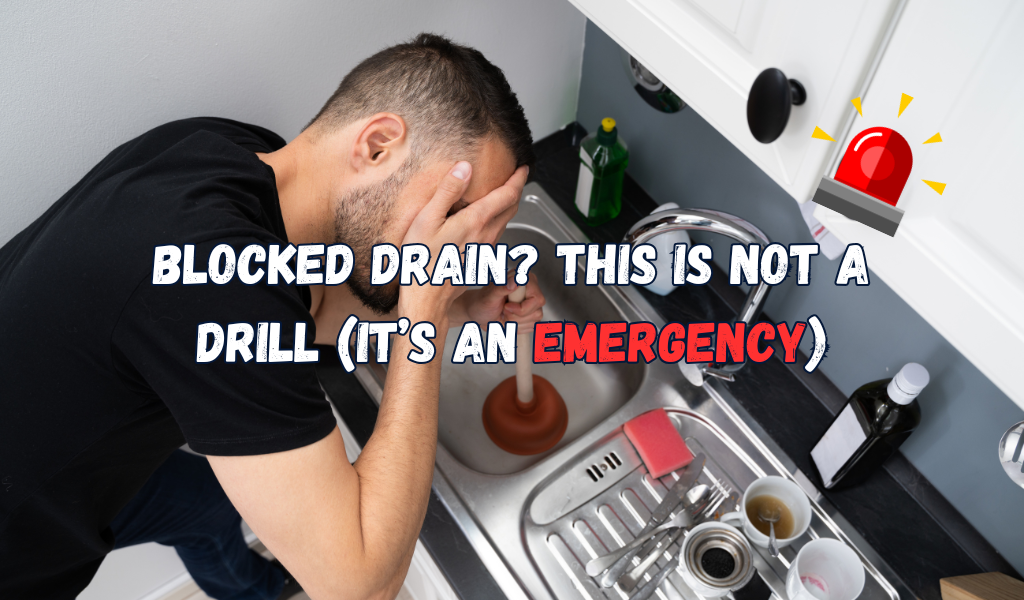
When water stops flowing freely in your home, the first question many homeowners ask is, is a blocked drain an emergency? In some cases, it’s a minor inconvenience that can be resolved with simple tools, but in others, it signals a plumbing emergency that demands urgent attention from a professional plumber.
Factors like the presence of sewage, multiple blocked fixtures, or flooding in your drainage system can quickly escalate a simple blockage into a full-blown crisis. Knowing the difference can save you money, protect your property, and prevent serious damage to your plumbing system.
When a Blocked Drain is Not an Emergency
Not every blocked drain means you need emergency plumbing services. In many cases, a small blockage can be handled without calling a professional plumber, especially when it affects only one part of your plumbing system. Recognising these situations helps you save money, avoid unnecessary stress, and keep your drains flowing without turning it into a plumbing crisis.
Minor, Single Fixture Blockages
If only one sink, shower drain, or kitchen sink is affected, and water is still moving, albeit slowly, this typically signals a local drain issue rather than a full-blown plumbing emergency. Such problems are often caused by debris, soap scum, or food particles. They don’t usually require rapid response from drain plumbers unless the blockage worsens.
Common DIY Solutions That Are Safe for Homes
For small drain clogs, safe methods like plunging, using a drain snake, or a vinegar–bicarbonate mixture can restore flow. If the problem keeps coming back, it might be linked to one of the bigger causes of blocked drains we’ve covered in detail in our guide. Always check your pipe material before using hot water, as older clay or cast iron pipes may react differently than modern PVC or HDPE lines. If unsure, you can arrange a drain cleaning service to safely clear the blockage.
Avoid chemical drain cleaners, as they can damage certain drain pipes and are unsafe for some Australian plumbing fixtures. Installing drain covers and practicing regular plumbing maintenance, like clearing hair from a shower drain, can prevent blocked or clogged drains from developing into serious blockages that need emergency repairs.
When a Blocked Drain Becomes an Emergency
Not all blocked drains require urgent action, but certain situations in Australian homes and businesses can quickly escalate into plumbing emergencies. If the issue poses a health risk, threatens your property’s structure, or affects multiple fixtures, it’s time to call an emergency plumber. The following scenarios highlight when you should treat a blocked drain as a serious problem that needs immediate attention.
Sewage and Wastewater Backups
If wastewater starts overflowing from sinks, showers, or toilets, it’s a clear plumbing emergency. Sewage contains harmful bacteria and can cause serious health hazards for your household. Contamination can also spread quickly to floors, walls, and other areas, leading to expensive water damage repairs. In these cases, you need to call an emergency plumber in Australia immediately to prevent further damage and restore safe drainage.
Multiple Fixtures Blocked
When more than one plumbing fixture in your home is clogged at the same time, it often points to a main sewer line blockage rather than a simple drain obstruction. This type of problem can disrupt your entire plumbing system and, if left unresolved, may lead to sewage backups.
A licensed plumber, accredited by regulators such as NSW Fair Trading, the QBCC, or the Victorian Building Authority, can inspect your drains with a CCTV inspection and carry out the right solution, such as jet blasting, mechanical drum cleaning, or pipe relining, depending on the severity, in compliance with Australian Standards like AS/NZS 3500 for plumbing and drainage.
Wet Season & Climate-Driven Emergencies
In many parts of Australia, heavy rain during the wet season can overwhelm drainage systems. Tree roots often grow towards underground pipes in search of moisture, causing cracks, blockages, and in some cases, complete collapse of the line. This is particularly common in older properties with clay or cast iron pipes. Modern replacements often use PVC, UPVC, or HDPE pipes, which are more resistant to root intrusion and corrosion.
Stormwater overflows can also cause flooding in drains and lead to cross-contamination with sewage. If you notice gurgling drains or water pooling in your yard after heavy rain, it’s important to get a professional inspection before the damage escalates.
Urgent Scenarios
Some blocked drain situations aren’t just inconvenient , they can threaten the structure of your property. Water leaks into walls, flooring, or your foundation can weaken materials and lead to long-term damage. Ignoring these signs can result in higher plumbing repair costs and even compromise your home’s safety. In these urgent cases, a 24/7 emergency plumber should be called without delay.
Immediate Steps to Take Before Calling a Plumber
If you’re facing a blocked drain in Australia, taking the right actions before a plumber arrives can help minimise damage, reduce repair costs, and even prevent the situation from getting worse. Whether it’s a slow-draining sink or a full-scale plumbing emergency, knowing what to do in those crucial first moments is key. The following steps will help you manage the problem safely until a licensed plumber is on site.
Stop Using Water in the Property
The first thing you should do is stop running water anywhere in the home. This prevents additional pressure from building in the system and stops more water from entering the blockage point. If multiple fixtures are affected, avoid flushing toilets, using taps, or running appliances like washing machines.
Isolate the Problem Safely
If the blockage is severe or causing water to overflow, turn off your property’s main water supply. For most Australian homes, this valve is located near the water meter. Shutting it off will prevent further flooding and give the plumber a safer environment to work in.
DIY Attempts That Won’t Make It Worse
Some minor blockages can be eased with simple measures while you wait for help. A gentle plunger use can sometimes shift a local clog, but avoid excessive force that could damage pipes. You can also try a vinegar and bicarbonate soda method or boiling water flush (only if your pipe material can handle the heat). Avoid chemical drain cleaners, as they can harm PVC pipes, create hazardous fumes, and complicate professional repairs.
Biological Hazards
Blocked drains can create the perfect breeding ground for harmful microorganisms. Stagnant water and organic waste allow bacteria and mould to thrive, which can trigger allergic reactions, respiratory problems, and infections.
Common biological hazards include:
- E. coli and Salmonella from wastewater contamination
- Mould spores causing allergic reactions and asthma flare-ups
- Mosquito breeding sites in standing water
Risks of Chemical Drain Cleaners
While it may be tempting to use chemical drain cleaners as a quick fix, these products can cause more harm than good. They can corrode PVC and copper pipes, release toxic fumes into your home, and cause burns if they come into contact with skin. In many cases, they also fail to address the root cause of the blockage, meaning the problem returns soon after.
Hygiene Risks in Commercial and Food-Service Settings
For businesses, especially in hospitality, healthcare, and food service, blocked drains can have severe consequences. Health inspectors may issue fines, require costly sanitation measures, or even enforce temporary closures.
In food-service environments, any sign of wastewater backup can immediately put you in breach of Australian food safety regulations. One common cause in commercial kitchens is Fat, Oil, and Grease (FOG) build-up, which often requires grease trap installation and regular maintenance to remain compliant.
Insurance, Costs & What to Expect in Australia
Blocked drains can range from minor inconveniences to full-scale plumbing emergencies, and knowing what to expect in terms of insurance coverage and repair costs can help you plan ahead. In Australia, whether your home insurance covers a blocked drain often depends on the cause, the severity, and how promptly you addressed the problem. Likewise, plumbing costs can vary widely depending on the location, time, and complexity of the work.
Does Homeowner Insurance Cover Blocked Drains?
Most Australian home insurance policies do not cover blockages caused by gradual wear and tear, tree root intrusion, or neglect, and coverage for blocked drains under home insurance often depends on whether the damage was sudden or accidental.
However, sudden and accidental damage, such as a pipe collapse or storm-related flooding, may be covered. Always review your policy’s special clauses and exclusions to know your rights. In many cases, having a plumber’s written report can strengthen your claim.
Cost Breakdown: Emergency vs. Standard Call-Out
The cost to fix a blocked drain can vary greatly depending on the urgency and method required.
Typical Australian price ranges include:
- CCTV drain inspection: ~$700
- Chemical treatment: ~$800
- Hydro jetting: $500–$1,200
- Pipe relining: $2,000+
Emergency call-outs, especially after hours, can push these prices higher, so acting quickly during normal business hours can save money.
Factors Affecting Price
Several factors can influence the total cost of a blocked drain repair in Australia:
- Location and ease of access to the affected pipes
- Time of day or whether the job requires weekend/public holiday work
- Severity of the blockage and whether excavation is needed
- Specialised equipment requirements such as electric eels, root cutters, hydro jetters, mechanical drum machines, or pipe relining tools.
Seasonal & Environmental Causes of Blocked Drains in Australia
Australia’s climate and seasonal changes can have a significant impact on your plumbing system. Heavy rains, humidity, and natural ground movement can all contribute to blockages in stormwater and sewer lines. Being aware of these environmental factors allows homeowners to take preventive measures and avoid costly plumbing emergencies.
Root Intrusion During Wet Season
During the wet season, trees and shrubs become more active in their search for water and nutrients. Their roots can penetrate tiny cracks in underground pipes, eventually causing blockages or complete pipe collapse. This type of damage is especially common in older properties with clay or concrete pipes and often requires CCTV inspections and pipe relining to resolve.
Stormwater Overload After Heavy Rain
Intense rainfall can overwhelm stormwater systems, particularly in areas with poor drainage design. When excess water cannot drain away fast enough, it can cause overflows and push debris into sewer lines, creating blockages. In some cases, stormwater can mix with sewage, posing serious health hazards and requiring urgent attention from a licensed plumber.
Preventive Landscaping and Drainage Design
Strategic landscaping and proper drainage planning can go a long way in preventing seasonal blockages. Homeowners can:
- Plant trees and shrubs away from underground pipes
- Install leaf guards and gutter filters
- Ensure driveways and pathways are graded for proper water runoff
Regular drain inspections before the wet season can also help identify risks early and prevent unexpected emergencies.
Commercial and Industrial Considerations
Blocked drains in commercial and industrial settings can cause far more than inconvenience—they can disrupt operations, lead to compliance breaches, and create significant financial losses. These common commercial drainage issues often require urgent intervention to avoid downtime.
In Australia, businesses are held to strict health and safety standards, meaning a plumbing issue often needs urgent resolution to avoid downtime and penalties.
Hygiene and Safety Standards
Commercial kitchens, healthcare facilities, and manufacturing sites must follow strict Australian safety regulations to protect staff and customers. A blocked drain in these environments can result in:
- Contaminated work surfaces or food-prep areas
- Breaches of food safety codes
- Increased risk of workplace illness or injury
Maintaining a regular drain maintenance schedule is essential for avoiding these problems and passing inspections.
Emergency Response for Businesses
For businesses, every hour of downtime can mean lost revenue and dissatisfied customers. That’s why many choose to partner with a 24/7 emergency plumber who can respond quickly to minimise disruption. Immediate action, such as temporary bypass pumping or rapid hydro jetting, can keep operations running while a permanent repair is scheduled. For critical facilities, preventive measures like backflow prevention devices and routine CCTV drain inspections are invaluable.
Need an emergency plumber? Call AC Plumbing at 1300 161 615 now.
FAQs
Is it safe to wait for a blocked drain repair?
In most cases, waiting can make the problem worse, especially if multiple fixtures are affected or there’s a risk of sewage backup. Minor blockages may not be urgent, but they should still be addressed promptly to avoid costly repairs.
Who should I call for an emergency blocked drain?
Contact a licensed emergency plumber who offers 24/7 services and is experienced in handling urgent drain issues in Australia.
Can I use a plunger for any blockage?
A plunger is safe for minor, localised clogs, but should be avoided if you suspect a mainline blockage or if sewage is backing up.
How can I tell if it’s a mainline blockage?
Signs include multiple drains backing up at once, gurgling sounds from pipes, or wastewater coming up in sinks and showers when you flush the toilet.
What’s the fastest way to clear a blocked drain?
For severe blockages, professional methods like hydro jetting or mechanical drain cleaning are the quickest and most effective solutions.


